
 Delivery and payment







-100x100.png)
-100x100.png)











































- Zinc: which foods contain it—what it is and why it’s needed – What zinc is and its role in the body – Signs of zinc deficiency
- Zinc: which foods contain it—daily requirement – How much zinc is needed daily and when the need increases
- Zinc: which foods contain it—foods with the highest content – TOP foods high in zinc – Animal and plant sources of zinc
- Zinc: which foods contain it—meat and seafood – Beef, poultry, oysters, and fish
- Zinc: which foods contain it—plant foods – Legumes, grains, nuts, seeds, vegetables, and fruits
- Zinc: which foods contain it—dairy products and eggs – Cheese, milk, eggs, and bioavailability
- Zinc: which foods contain it—zinc content table – Zinc content in popular foods (per 100 g)
- Zinc: which foods contain it—how to improve absorption – What helps and what interferes with zinc absorption
- Zinc: which foods contain it—for different groups – For women, men, and children
- Zinc: which foods contain it—when supplements are needed – Signs of insufficiency, when diet isn’t enough, and how to choose supplements
- Zinc: which foods contain it—health benefits – Immunity, skin and hair, hormones, and metabolism
- Zinc: which foods contain it—possible risks – Excess, side effects, and micronutrient balance
- Zinc: which foods contain it—diet tips – How to build a diet, daily habits, and typical mistakes
- Zinc: which foods contain it—FAQ – Which foods contain the most zinc – Is it possible to get zinc only from food and how quickly to raise the level – Are zinc supplements necessary
- Sources
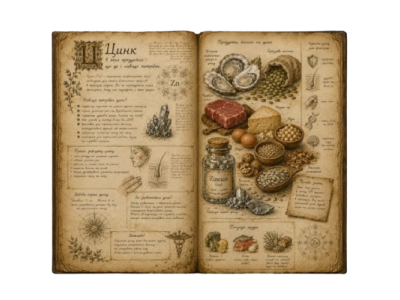
Zinc: which foods contain it is a question that is becoming especially relevant against the backdrop of the growing prevalence of deficiency of this micronutrient. According to the WHO, about 17% of the world’s population has insufficient zinc intake. Which foods contain zinc and how much is needed daily—we will break it down in detail, with tables and specific recommendations. Zinc-rich foods are found in both animal and plant foods, but the difference in bioavailability is significant.
Zinc: which foods contain it—what it is and why it’s needed
What zinc is and its role in the body
Zinc is an essential micronutrient without which the work of more than 300 enzymes in the human body is impossible. It participates in DNA and protein synthesis, cell division, wound healing, the functioning of the immune system, and sex hormones. The body does not store zinc reserves—therefore, daily intake from food is mandatory.
The benefits of zinc cover virtually all body systems: it is needed for normal vision, taste, smell, insulin synthesis, maintaining bone density, and reproductive health. Zinc for immunity means activation of T-lymphocytes and NK cells, so when it is deficient, even an ordinary cold drags on twice as long.
Signs of zinc deficiency
Zinc deficiency manifests as: slow healing of wounds and cuts, hair loss, brittle nails with white spots, acne and problem skin, frequent ARVI and infections, loss of appetite, reduced acuity of taste and smell; in men—decreased libido and testosterone levels; in children—delayed growth and development.
Zinc: which foods contain it—daily requirement
How much zinc is needed daily and when the need increases
The daily zinc requirement according to WHO and NIH recommendations:
| Group | Zinc per day | Tolerable upper limit |
|---|---|---|
| Women 19+ | 8 mg | 40 mg |
| Men 19+ | 11 mg | 40 mg |
| Pregnant | 11–12 mg | 40 mg |
| Breastfeeding | 12–13 mg | 40 mg |
| Children 1–8 years | 3–5 mg | 7–12 mg |
| Adolescents 9–18 years | 8–11 mg | 23–34 mg |
The need for zinc increases with intense physical activity (zinc is excreted with sweat), chronic stress, vegetarian and vegan diets, gastrointestinal diseases (malabsorption syndrome), use of diuretics and certain antibiotics.
Zinc: which foods contain it—foods with the highest content
TOP foods high in zinc
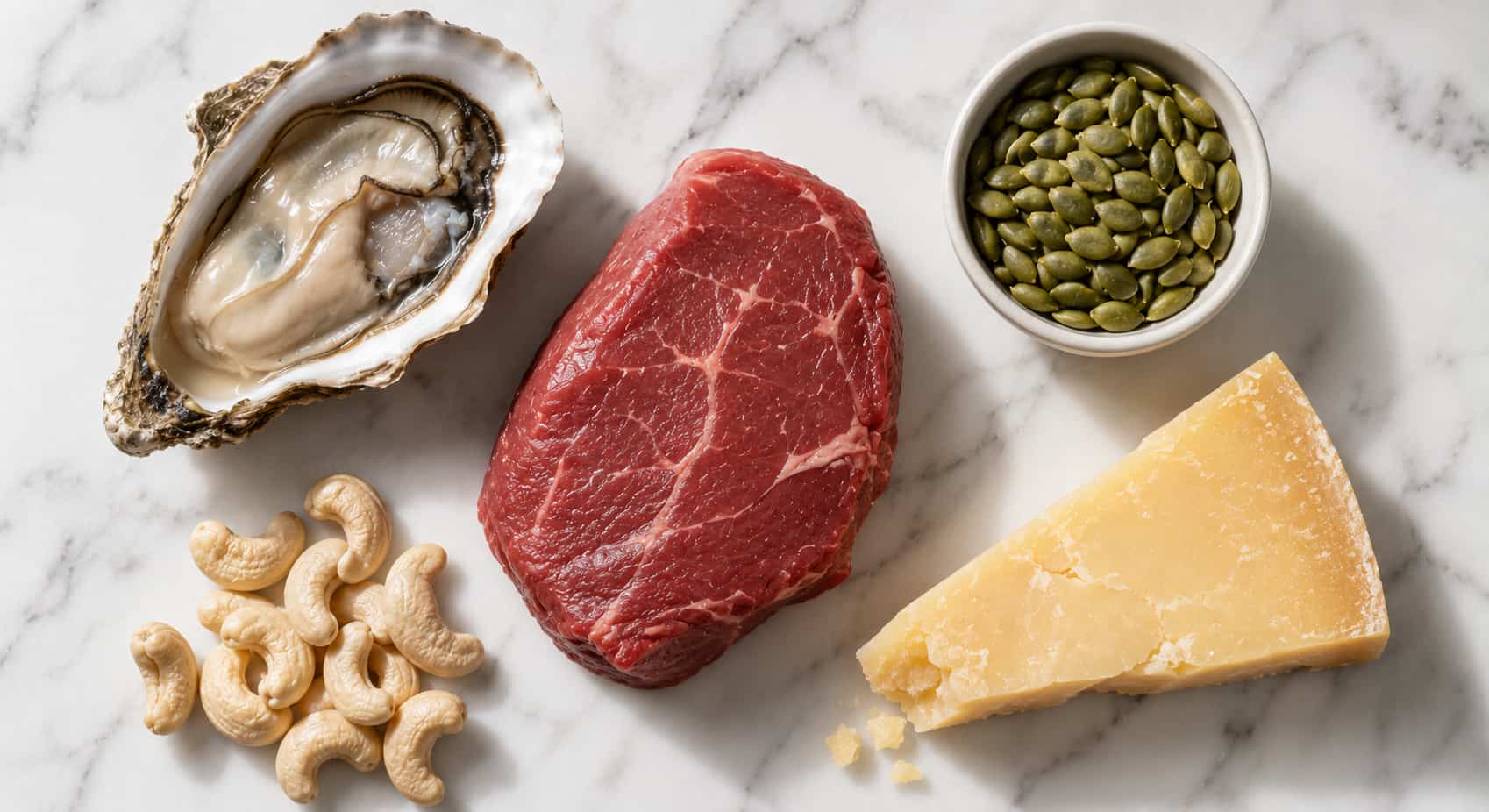
Which foods are high in zinc—the answer is unambiguous: oysters hold first place (up to 78 mg/100 g—more than 700% of the daily value). Next in the ranking: beef, lamb, pumpkin seeds, sesame, hemp seeds, cashews, lentils.
Foods that contain zinc are divided into two categories: animal-based (higher content and better absorption) and plant-based (lower absorption due to phytates, but important for vegetarians). Which foods contain both copper and zinc at the same time: nuts and seeds, seafood, offal—both micronutrients are well represented there.
Animal and plant sources of zinc
Animal sources of zinc: beef, lamb, pork, dark chicken meat, oysters, crab, mussels, salmon, beef liver, eggs, hard cheeses. Zinc in meat is absorbed by 40–60%—several times better than from plant foods.
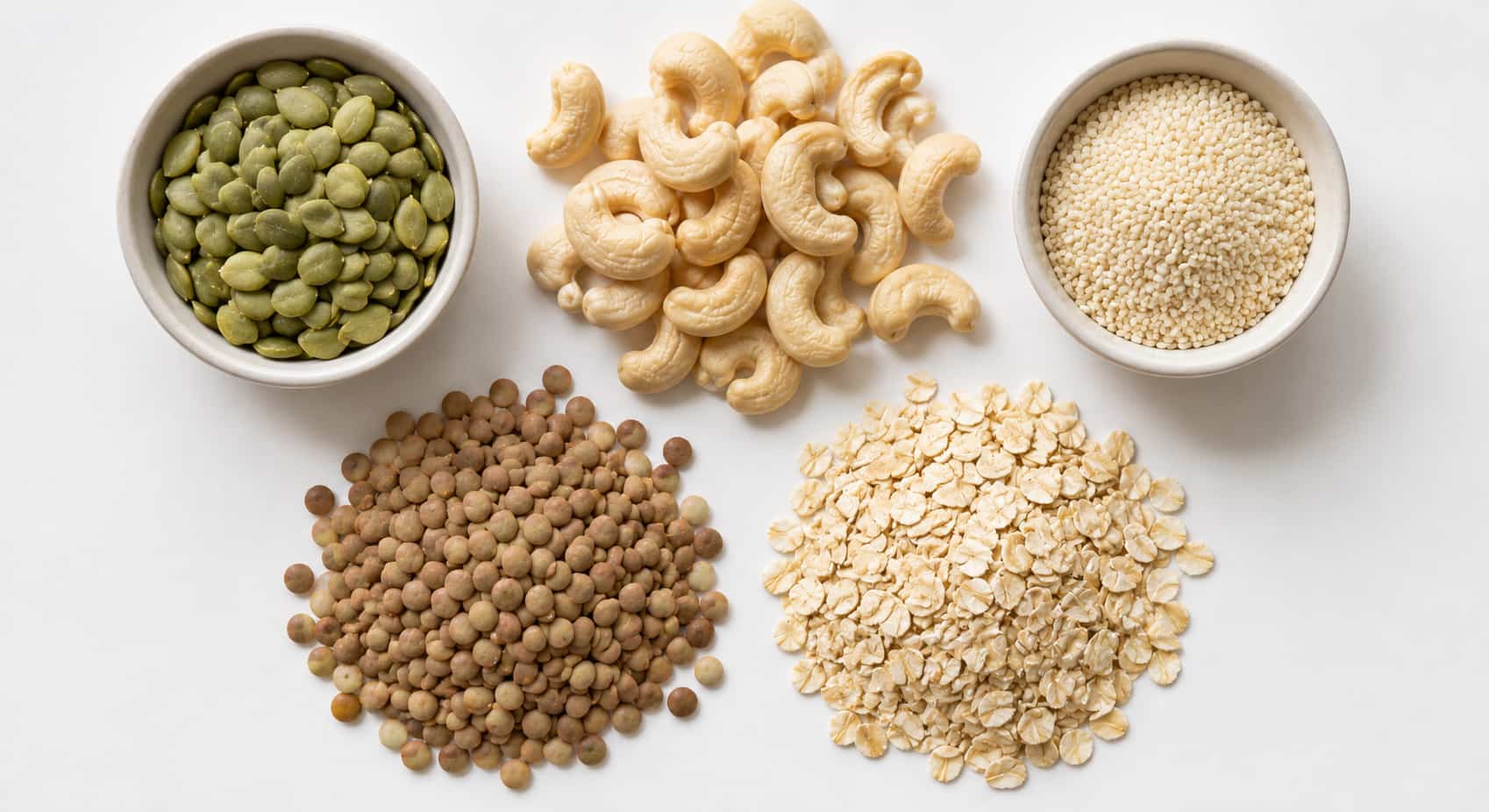
Plant sources: pumpkin seeds, sesame, sunflower seeds, cashews, almonds, lentils, chickpeas, beans, oatmeal, buckwheat, wheat bran, shiitake mushrooms. Zinc in nuts and seeds is the best plant option: 3–4 g per 100 g of product.
Zinc: which foods contain it—meat and seafood
Beef, poultry, oysters, and fish
Zinc in beef—8–10 mg/100 g, which already covers the adult daily requirement. Lamb provides 4–6 mg/100 g, pork—2–4 mg/100 g, dark chicken meat (thighs, drumsticks)—2.5–3 mg/100 g. Beef liver is an especially concentrated source: 5–7 mg/100 g plus iron, B12, and vitamin A.
Zinc in seafood—record values. Oysters: 16–78 mg/100 g (depending on the species and season). Crab—4–7 mg/100 g, mussels—2–3 mg/100 g, lobster—3–4 mg/100 g. Fish as a source of zinc: salmon—0.6–0.9 mg/100 g, sardines—1.3 mg/100 g, mackerel—0.8 mg/100 g.
Zinc: which foods contain it—plant foods
Legumes, grains, nuts, seeds, vegetables, and fruits
Legumes and grains are important sources of zinc for vegetarians. Lentils: 3.3 mg/100 g dry; chickpeas: 3.4 mg; beans: 2.8 mg; peas: 2.5 mg. Grains: oatmeal—4 mg/100 g dry, buckwheat—2.7 mg, wheat bran—7.3 mg, whole-grain bread—1.5–2 mg per slice.
Nuts and seeds are the best plant sources. Pumpkin seeds: 7–8 mg/100 g—a record among plants. Sesame: 7.8 mg/100 g. Hemp seeds: 9.9 mg/100 g. Cashews: 5.6 mg/100 g. Almonds: 3.1 mg/100 g. Pecans: 4.5 mg/100 g. Zinc in nuts pairs well with vitamin E and magnesium found in the same foods.
Which fruits contain zinc—in small amounts: avocado (0.6 mg/100 g), pomegranate (0.4 mg), banana (0.15 mg), kiwi (0.14 mg). Vegetables: shiitake mushrooms—1.3 mg/100 g, green peas—1.2 mg, spinach—0.5 mg, broccoli—0.4 mg. Fruits and vegetables are not the main source, but they complement the diet.
Zinc: which foods contain it—dairy products and eggs
Cheese, milk, eggs, and bioavailability
Dairy products are an accessible everyday source. Hard cheese: 2.5–4 mg/100 g (parmesan—up to 4 mg, cheddar—3.1 mg). Yogurt: 1–1.5 mg/100 g. Milk: 0.4 mg/100 ml. Cottage cheese: 0.5–1 mg/100 g. Dairy products combine zinc with calcium and protein—a good combination for children and adolescents.
Eggs as a source of zinc: 1.3 mg per 100 g (about 0.7 mg in one egg). Zinc is concentrated mainly in the yolk. Absorption from eggs is about 40%, which is an average показатель. The bioavailability of zinc from animal products in general is higher (25–60%) than from plant products (10–25%) due to the absence of phytates.
Zinc: which foods contain it—zinc content table
.jpg)
Zinc content in popular foods (per 100 g)
| Product | Zinc (mg/100 g) | % of daily value (men) |
|---|---|---|
| Oysters (fresh) | 16–78 | 145–709% |
| Hemp seeds | 9.9 | 90% |
| Wheat bran | 7.3 | 66% |
| Pumpkin seeds | 7.8 | 71% |
| Sesame | 7.8 | 71% |
| Beef (lean) | 8.5 | 77% |
| Crab (boiled) | 6.5 | 59% |
| Cashews (raw) | 5.6 | 51% |
| Beef liver | 5.3 | 48% |
| Chickpeas (dry) | 3.4 | 31% |
| Lentils (dry) | 3.3 | 30% |
| Hard cheese | 2.5–4 | 23–36% |
| Oatmeal (dry) | 4.0 | 36% |
| Chicken meat (dark) | 2.5 | 23% |
| Chicken egg | 1.3 | 12% |
| Salmon | 0.9 | 8% |
Which foods contain the most zinc—oysters, beef, and seeds. Which foods contain zinc and selenium at the same time: Brazil nuts, fish, eggs, meat—both micronutrients are well represented there.
Zinc: which foods contain it—how to improve absorption
What helps and what interferes with zinc absorption
Zinc absorption is increased by: animal protein (enhances absorption in the intestines), vitamin C (in combination increases bioavailability), organic acids (citric, malic in vegetables and fruits), soaking legumes and grains before cooking (reduces phytates by 30–50%), sprouting seeds and grains.
What interferes: phytic acid in unprocessed legumes and grains (binds zinc and reduces absorption), excess calcium (competes for absorption), coffee and tea with main meals (tannins block mineral absorption), excess iron and copper in the same dose.
What foods are best paired: meat + grains (heme iron improves zinc absorption), legumes + fermented vegetables (acid reduces the effect of phytates).
Zinc: which foods contain it—for different groups
For women, men, and children
Zinc for women is important for hormonal balance (regulation of estrogen and progesterone), skin and hair health, and immune support. With PMS, lack of zinc intensifies symptoms. Pregnant women need 11–12 mg per day—deficiency increases the risk of pregnancy complications.
Zinc for men is one of the key micronutrients. It is necessary for testosterone synthesis, prostate health, and sperm quality (deficiency reduces motility and sperm count). The norm for men is 11 mg/day, but with intense training or stress it can increase to 15–20 mg. The best foods for men: oysters, beef, pumpkin seeds.
Zinc for children is critical for growth, brain development, and immune protection. Children with zinc deficiency get infections more often and have lower indicators of cognitive development. The best child sources: meat, dairy products, eggs—all are well accepted and absorbed.
Zinc: which foods contain it—when supplements are needed
Signs of insufficiency, when diet isn’t enough, and how to choose supplements
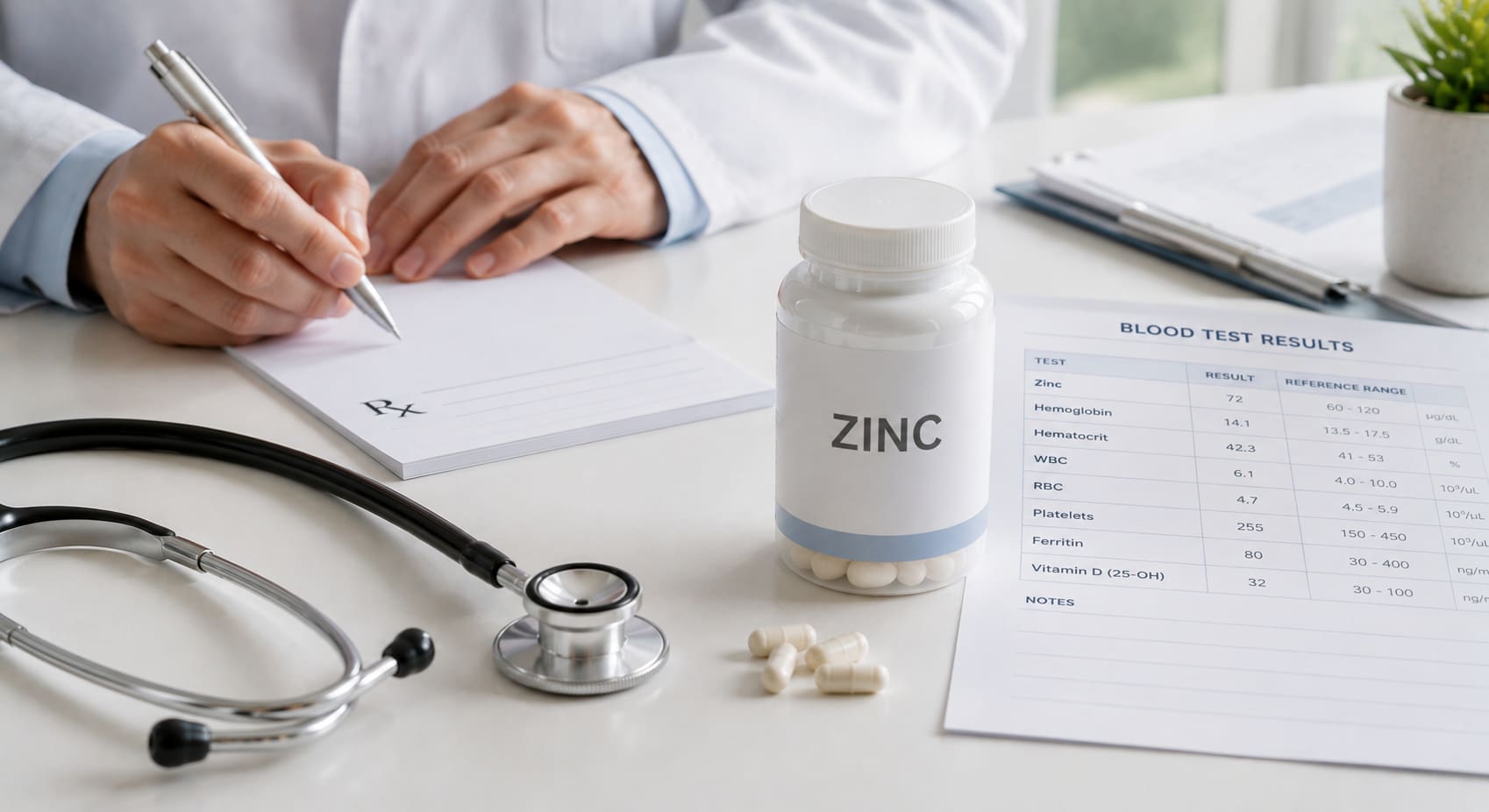
Zinc supplements are needed when: deficiency is confirmed by a blood test (serum zinc below 70 µg/dL), a vegetarian or vegan diet without careful planning, GI diseases (Crohn’s disease, celiac disease, malabsorption syndrome), long-term use of diuretics or proton pump inhibitors.
How to choose zinc supplements: zinc picolinate and zinc citrate are absorbed better than oxide (20–30% vs 10%). Do not exceed 40 mg of elemental zinc per day without a doctor’s prescription. Take with food—reduces the risk of nausea. Take separately from calcium and iron.
Zinc: which foods contain it—health benefits
Immunity, skin and hair, hormones, and metabolism
Zinc for immunity—without it, maturation of T-lymphocytes and synthesis of interferons are impossible. A Cochrane study (Hemilä, 2017) showed: taking zinc within the first 24 hours of a cold reduced its duration on average by 33%. Zinc for skin participates in collagen synthesis, wound healing, regulation of sebum production—therefore, with acne, zinc deficiency is one of the triggers.
Zinc for hair: hair follicles are among the most zinc-dependent structures in the body. Deficiency leads to diffuse shedding (telogen effluvium). Restoring zinc levels within 2–3 months noticeably improves thickness and growth rate. Zinc and hormones: it regulates the synthesis of thyroid hormones, insulin, and sex hormones. In hypothyroidism, lack of zinc worsens the conversion of T4 to T3.
Zinc: which foods contain it—possible risks
Excess, side effects, and micronutrient balance
Excess zinc from food is practically impossible. The risk arises only with long-term overuse of supplements (above 40 mg/day). Symptoms of hyperzincemia: nausea, vomiting, diarrhea, headache, reduced immunity (paradoxically—excess is as harmful as deficiency), impaired copper absorption.
Micronutrient balance is important: the optimal zinc-to-copper ratio is 8–15:1. Taking 50+ mg of zinc without copper long term creates a deficiency of the latter.
Zinc: which foods contain it—diet tips
How to build a diet, daily habits, and typical mistakes
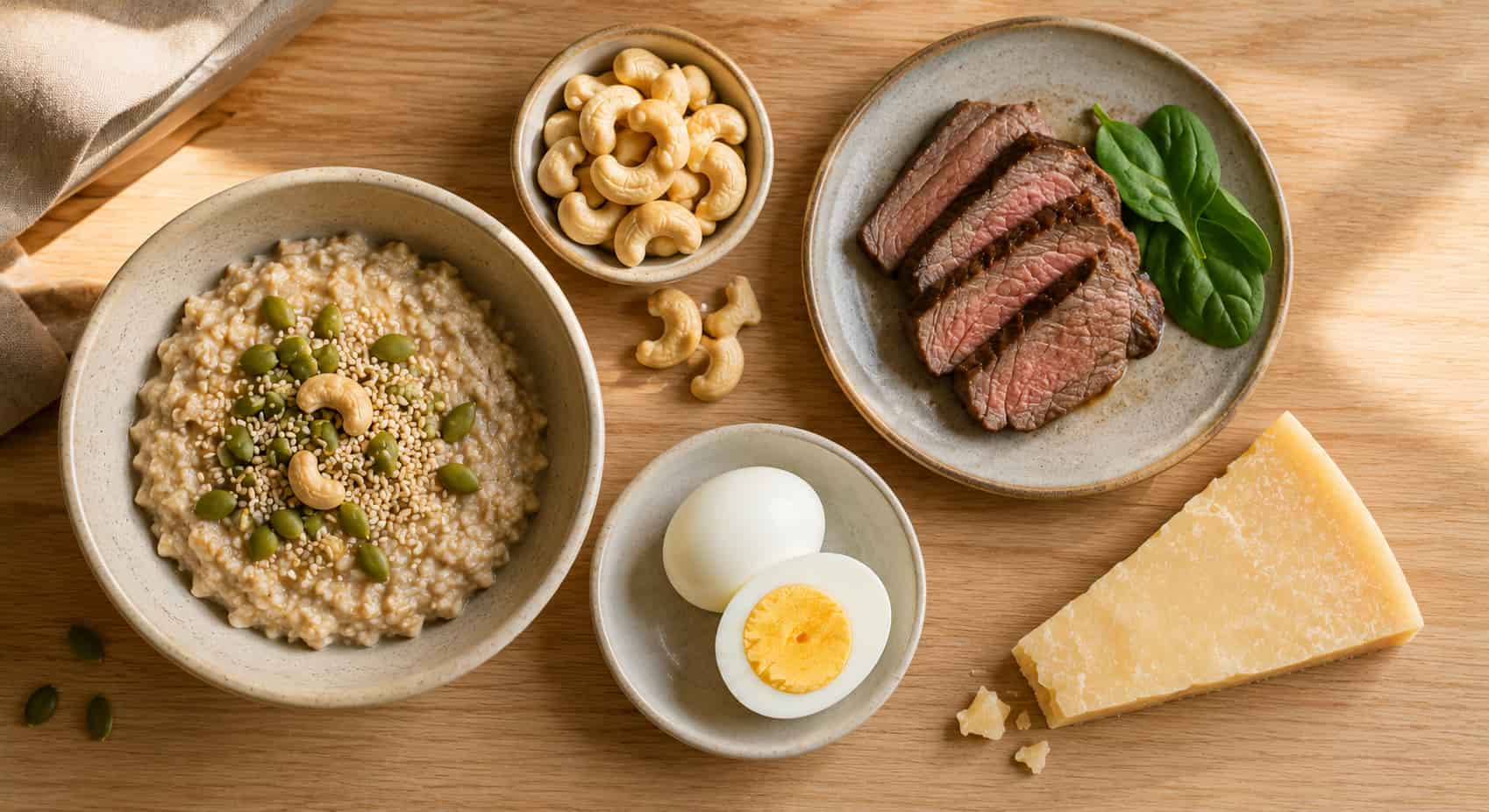
How to build a diet with enough zinc: include at least one animal source daily (meat, eggs, dairy), complement with nuts and seeds (a handful of pumpkin seeds or cashews as a snack), soak legumes before cooking, do not wash down meals with coffee or tea.
Daily habits: a handful of pumpkin seeds or sesame for breakfast (4–6 mg), a portion of beef or chicken for lunch (3–8 mg depending on portion), a fermented dairy product and eggs during the day—and the daily requirement is covered.
Typical mistakes: relying only on plant sources without soaking and sprouting; taking calcium and zinc at the same time; drinking tea during meals; buying cheap supplements with zinc oxide; ignoring deficiency, attributing symptoms to stress.
Zinc: which foods contain it—FAQ
Which foods contain the most zinc
The absolute record is oysters (16–78 mg/100 g). Among accessible everyday foods: beef (8–10 mg), pumpkin seeds (7–8 mg), sesame (7.8 mg), wheat bran (7.3 mg). The full list is provided in the table above.
Is it possible to get zinc only from food and how quickly to raise the level
Yes, with a balanced diet including meat, seafood, nuts, and grains. It’s more difficult for vegans—they require careful planning and, as a rule, supplements. How quickly to raise zinc levels: with supplements—2–4 weeks to normalize values in confirmed deficiency. Through food—4–8 weeks with a substantial increase in intake of zinc-containing foods.
Are zinc supplements necessary
For most people with a balanced diet—no. Zinc supplements are justified in: confirmed deficiency, vegetarianism, GI diseases, increased phytate intake, after severe infections. You shouldn’t self-prescribe supplements above 25–40 mg/day—consult a doctor.
Sources
- NIH Office of Dietary Supplements. Zinc – Fact Sheet for Health Professionals. 2023.
- Hemilä H. Zinc lozenges and the common cold. Cochrane Database of Systematic Reviews, 2017.
- World Health Organization. Zinc supplementation in infants and young children. WHO, 2020.
- Roohani N. et al. Zinc and its importance for human health. Journal of Research in Medical Sciences, 2013.
If you need help choosing zinc supplements or foods to cover a deficiency—Lavka Molfara has proven products from reliable manufacturers.
-400x300.png)
Write a comment