
 Delivery and payment









-100x100.png)
-100x100.png)

















































- Aloe vera – what it is – What is aloe vera – History of the plant’s use – Where and how aloe vera grows
- Aloe vera – composition and beneficial substances – Vitamins and minerals – Amino acids and enzymes – Biologically active components
- Aloe vera – benefits for the body – Strengthening immunity – Anti-inflammatory effect – Antioxidant properties
- Aloe vera – medicinal properties – Benefits for digestion – Effects on skin and wound healing – Support for overall health
- Aloe vera – use in medicine and everyday life – Internal use – External use – Use in folk medicine
- Aloe vera – for skin and face – Moisturizing and nourishing the skin – Treating acne and inflammation – Anti-aging effect
- Aloe vera – for hair – Strengthening hair and stimulating growth – Fighting dandruff
- Aloe vera – juice, gel, and other forms – Aloe vera juice – Aloe vera gel – Extracts and supplements
- Aloe vera – how to use it correctly – Recommended methods of use – Dosage and frequency of use – Tips for beginners
- Aloe vera – contraindications – Who should not use it – Allergic reactions – Limitations with diseases
- Aloe vera – side effects – Possible bodily reactions and overdose – Drug interactions
- Aloe vera – how to choose a quality product – What to look for and how to avoid counterfeits
- Aloe vera – pros and cons – Main advantages – Possible drawbacks and who it suits best
- Aloe vera – usage tips – How to increase effectiveness, what to combine with, and common mistakes
- Aloe vera – FAQ – What is aloe vera good for and can you drink aloe juice – How to use aloe for skin and is it safe daily
- Sources

Aloe vera is a plant found in almost every home: on the windowsill, in the home medicine cabinet, and as an ingredient in cosmetic products. Aloe, whose benefits are confirmed by a millennia-long history of use, is now being studied by hundreds of laboratories around the world. What aloe treats is a question with a long list of answers: from burns and acne to digestive and immunity problems. Aloe vera use simultaneously spans cosmetology, pharmaceuticals, and folk medicine. In this article, we will break down the composition, proven effects, rules of use, and honest answers to questions about contraindications.
Aloe vera – what it is
What is aloe vera
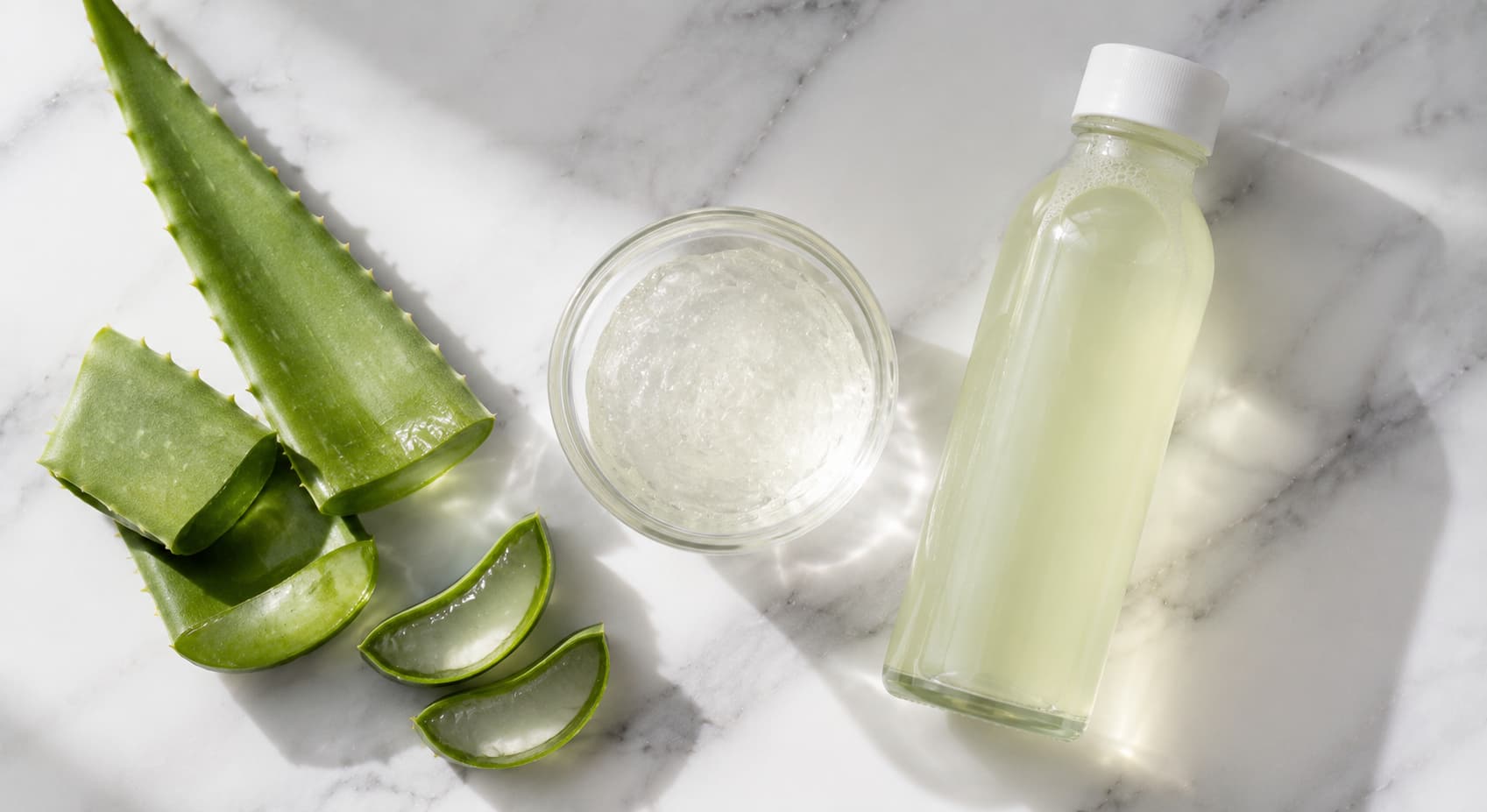
Aloe vera (Aloe barbadensis miller) is a succulent from the asphodel family, native to the Arabian Peninsula. The plant stores water in thick, fleshy leaves, which can contain up to 99% water. It is in this clear gel that most biologically active substances are concentrated.
“Storchynyk” (century plant), whose medicinal properties in Ukrainian folk tradition are attributed to tree aloe (Aloe arborescens), is another species, more common in the post-Soviet space. Aloe vera and storchynyk are different plants with similar, but not identical, compositions. Aloe vera contains more acemannan (a key polysaccharide) and is used in most modern clinical studies.
History of the plant’s use
Aloe has been known to humanity for at least 6,000 years. The Egyptians called it the “plant of immortality”—its images were found on the walls of pyramids. Alexander the Great, according to historical records, carried aloe on military campaigns to treat soldiers’ wounds.
In traditional Ayurvedic medicine, aloe is called “kumari”—“forever young.” In Chinese medicine, it has been used for more than 1,500 years for skin diseases and digestive disorders. The plant came to Europe in the 16th century вместе with Spanish conquistadors. In Greek and Roman medicine, Dioscorides and Pliny the Elder described aloe in detail in their medical treatises.
The first modern clinical application dates to 1935, when Collins and Collins published a report on the successful treatment of X-ray radiation burns using aloe gel. Today, PubMed has more than 3,000 publications devoted to various aspects of aloe vera’s effects. The global market for aloe vera–based products is estimated at more than $13 billion per year. The plant is included in more than 40% of cosmetic products in the hydration, soothing, and anti-aging categories.
Where and how aloe vera grows
In nature, aloe vera grows in subtropical and tropical climates: North Africa, the Arabian Peninsula, the Mediterranean, the Caribbean islands, and India. Commercial cultivation is concentrated in Mexico, the Dominican Republic, the USA (Texas, Florida), India, and Spain. For gel production, leaves aged 3–4 years are used—this is when the concentration of active substances is maximal.
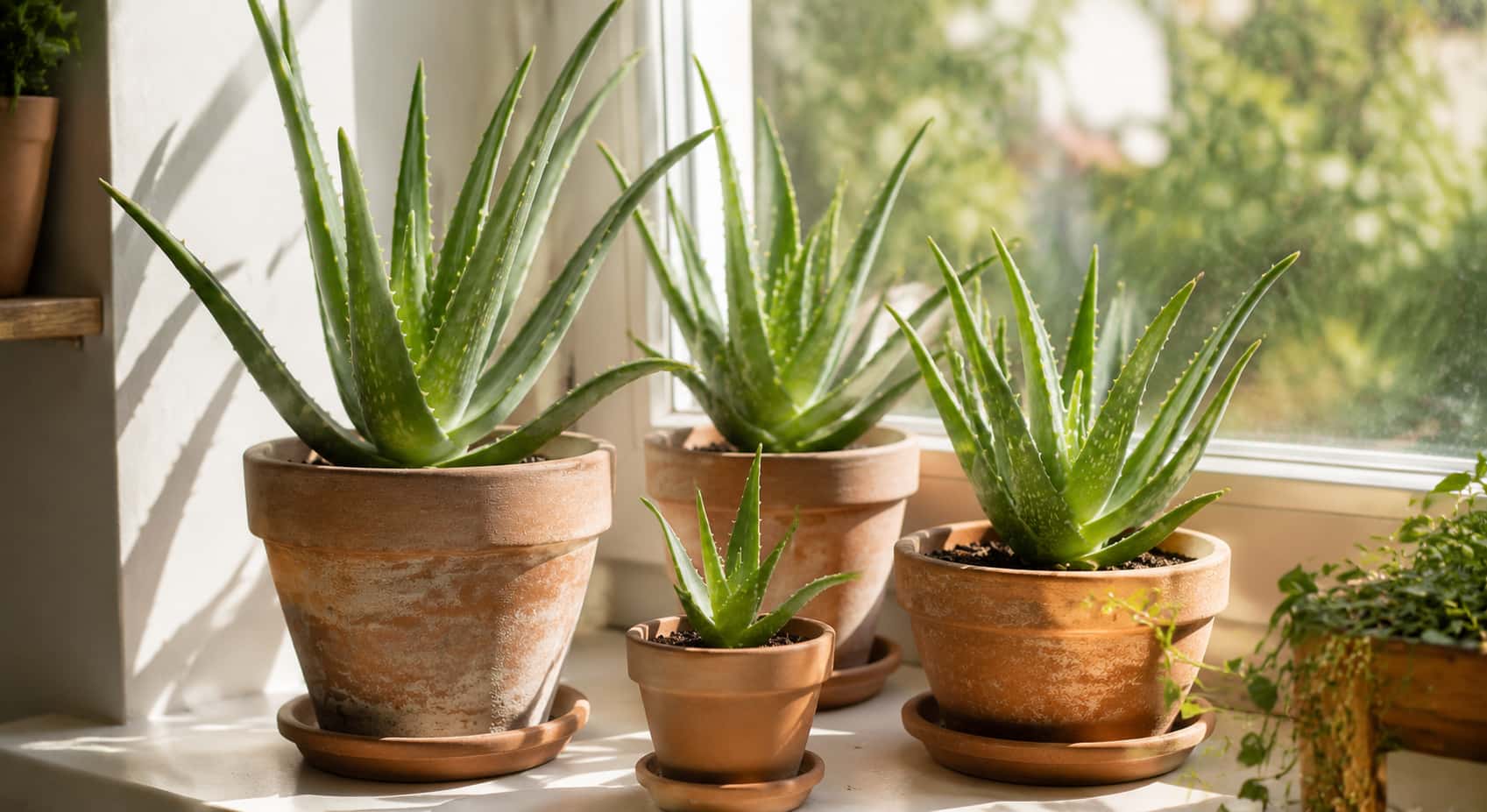
At home, aloe vera is undemanding: it likes bright light, infrequent watering, and well-drained soil. Houseplants can be used externally—cut a leaf, slice it lengthwise, and apply the gel directly to the skin. For internal use—only pharmacy products with quality control.
Aloe vera – composition and beneficial substances
Vitamins and minerals
Aloe vera’s composition is extraordinarily rich for a plant with 99% water in its leaves. In the 1% dry residue, more than 200 biologically active substances are concentrated. Vitamins: A (beta-carotene), C, E— all three antioxidants; B1, B2, B3, B6— the entire B group except B12; choline and folic acid. Minerals: calcium, magnesium, zinc, chromium, selenium, manganese, iron, sodium, potassium. Zinc (anti-inflammatory, immune) and chromium (blood sugar regulation) are especially important.
| Group of substances | What it includes | Main role |
|---|---|---|
| Vitamins | A, C, E, B1, B2, B3, B6, B9 | Antioxidants, immunity, skin |
| Minerals | Ca, Mg, Zn, Cr, Se, Fe, K | Enzymes, immunity, blood pressure |
| Polysaccharides | Acemannan, glucomannan | Immunity, healing, detox |
| Anthraquinones | Aloin, barbaloin, emodin | Laxative, antibacterial |
| Phytosterols | β-sitosterol, campesterol | Anti-inflammatory, cholesterol |
| Enzymes | Alyase, catalase, SOD | Digestion, antioxidants |
| Organic acids | Malic, citric, cinnamic | Detox, pH, metabolism |
Amino acids and enzymes
Aloe vera contains 20 of 22 known amino acids and 7 of 8 essential ones. This makes it a rare plant source of a complete amino-acid profile. Enzymes: amylase and lipase—break down starch and fats; bradykinase—reduces inflammation and pain when applied externally; catalase—neutralizes hydrogen peroxide; SOD (superoxide dismutase)—the body’s main antioxidant enzyme.
Acemannan is a long-chain polysaccharide considered the key immunostimulating component of aloe vera. It stimulates macrophage activity, increases the production of interferons and interleukins, and accelerates wound healing and mucosal recovery.
Biologically active components
Anthraquinones are a special group. Aloin, barbaloin, and emodin are found in the yellowish latex right under the leaf skin. They have a pronounced laxative effect. That is why, when using leaves of домашнє aloe, it is important to тщательно wash off or remove this layer—or use only the inner gel.
Phytosterols (β-sitosterol, campesterol, lupeol) reduce cholesterol absorption in the intestines and have anti-inflammatory effects. Lupeol additionally works as a natural analgesic. Salicylic acid in aloe is a plant-derived analogue of aspirin: it reduces inflammation and has antibacterial properties.
Aloe vera – benefits for the body
Strengthening immunity
Aloe’s benefit for immunity comes from acemannan and the polysaccharide complex. Acemannan stimulates the activation and proliferation of macrophages—cells that “devour” pathogens and form the first barrier of innate immunity. At the same time, it activates natural killer (NK) cells and stimulates the production of interleukin-1 and TNF-α.
A 1994 study (Yagi et al., Journal of Gastroenterology) showed that aloe polysaccharides increased the phagocytic activity of immune cells in vitro by 52%. Zinc and vitamin C in aloe further support T-lymphocyte maturation and antibody synthesis. Regular intake of aloe juice in умеренные doses (30–50 ml per day) in autumn is a traditional herbal approach to immune prevention.
Anti-inflammatory effect
Aloe’s medicinal properties in anti-inflammatory terms are provided by several mechanisms at once. Bradykinase suppresses inflammatory reactions in tissues. Phytosterols block prostaglandin synthesis (mediators of pain and inflammation). Salicylic acid inhibits COX-2—the same enzyme targeted by ibuprofen and aspirin.
A 2008 clinical study (Surjushe et al., Indian Journal of Dermatology) found that aloe vera gel reduced inflammatory markers in psoriasis in 83% of patients versus 6% in the placebo group over 4 weeks.
Antioxidant properties
Aloe vera extract contains a powerful antioxidant complex: vitamins A, C, E + SOD + catalase + polyphenols. This complex neutralizes free radicals, protecting cells from oxidative damage. A study by Korean scientists (Teplicki et al., 2018) showed that regular intake of aloe vera juice for 8 weeks reduced markers of oxidative stress (malondialdehyde) by 31% in healthy volunteers.
Aloe vera – medicinal properties
Benefits for digestion
Aloe vera is taken internally primarily to support the gastrointestinal tract. Its anti-inflammatory effect reduces mucosal inflammation in gastritis, colitis, and irritable bowel syndrome. The laxative effect of anthraquinones (aloin) stimulates peristalsis—but this is also the reason for limitations with long-term use.
Aloe for the liver and pancreas: a 2014 Mexican study (Torres-González et al.) recorded a 25% reduction in ALT in patients with non-alcoholic fatty liver disease after 12 weeks of aloe vera extract intake. With gallstone disease and large stones, the choleretic effect may provoke an attack—consultation with a gastroenterologist is mandatory.
Long-term use of aloin-containing products (more than 2 weeks in a row) may cause electrolyte imbalance and bowel dependence on stimulation.
Effects on skin and wound healing
This is the most studied and reliably proven area of aloe use. Acemannan stimulates fibroblast proliferation (cells that synthesize collagen) and speeds wound closure. At the same time, it provides anti-inflammatory and antibacterial action, preventing infection.
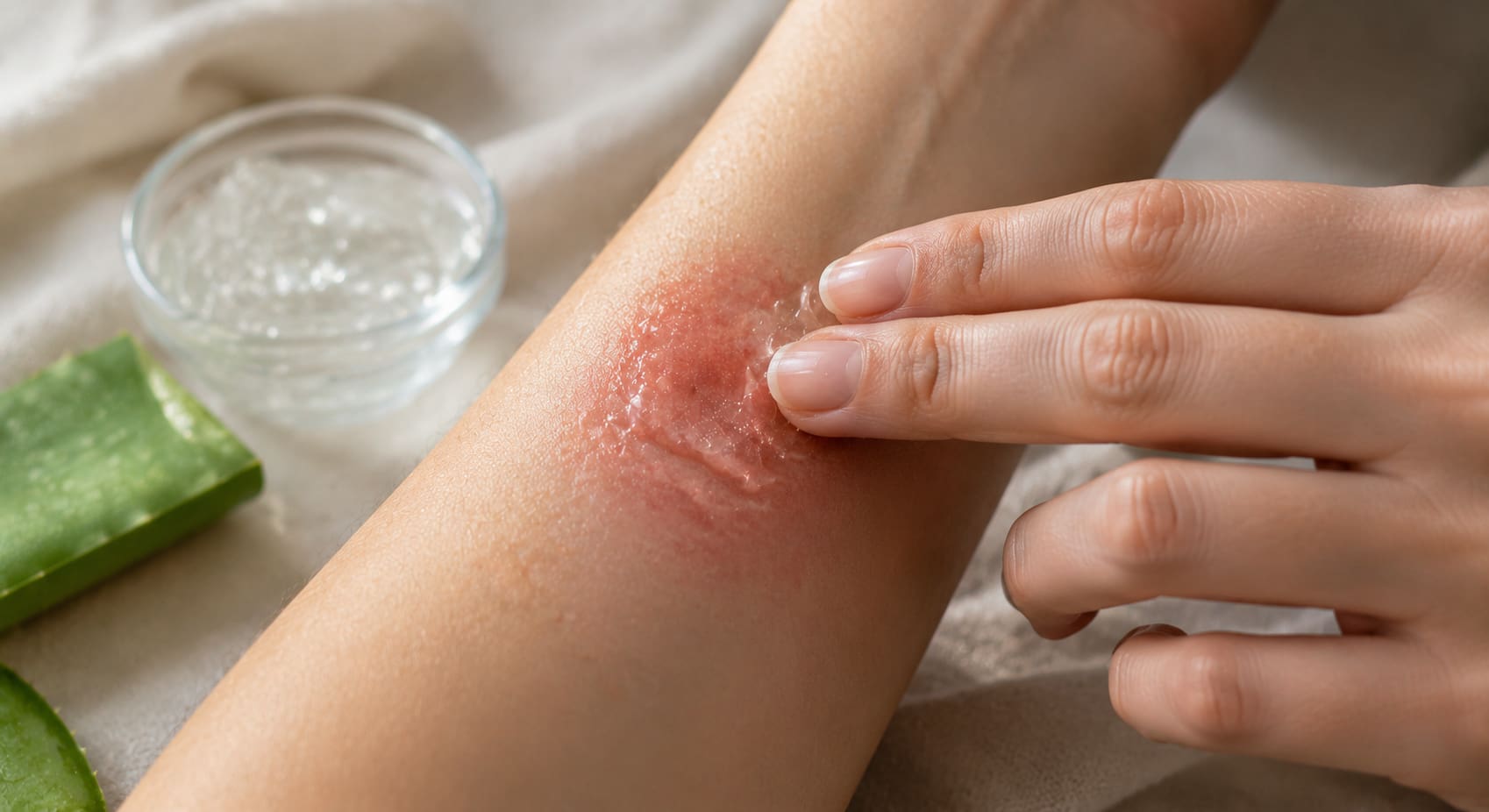
A 2012 Cochrane review analyzed 7 randomized studies: aloe vera accelerated the healing of first- and second-degree burns by an average of 8.8 days compared with control groups. Using aloe vera for sunburn is a classic of folk medicine that science подтверждает. Apply gel immediately after cooling the affected area.
Support for overall health
The evidence base is strong enough for: burns and wounds (external), psoriasis and seborrheic dermatitis (external), constipation (internal, short-term), gum inflammation (rinsing). Moderate data: type 2 diabetes (blood sugar reduction), irritable bowel syndrome, immune support.
Aloe vera is a natural remedy that does not replace medication for serious diseases, but can be a useful дополнение for chronic inflammatory conditions and for профилактика.
Aloe vera – use in medicine and everyday life
Internal use
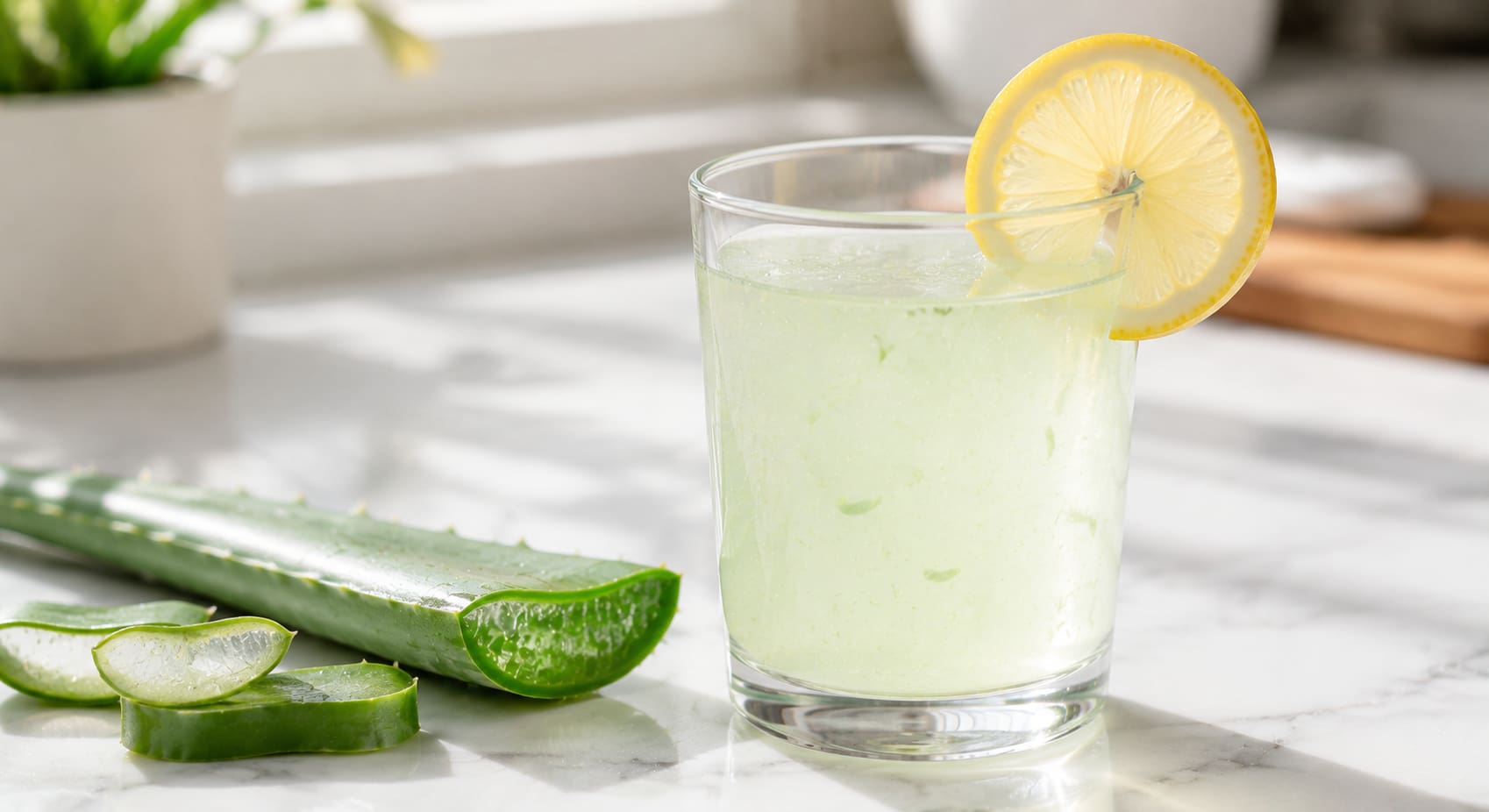
Taking aloe vera juice internally is the most popular method. How to drink: 30–50 ml in the morning on an empty stomach 20–30 minutes before meals. Course: 3–4 weeks, break 2–3 weeks. Most often used for constipation, a feeling of heaviness after eating, chronic fatigue, recurrent skin eruptions associated with impaired detoxification.
Important: for internal use, use only products labeled “aloin-free” or “decolorized”—anthraquinones, potentially toxic with regular intake, have been removed. Whole-leaf juice contains aloin and is not intended for long-term internal use.
External use
Aloe vera skin care—external use is the safest. Aloe vera gel is applied to clean skin as a moisturizer, an anti-inflammatory mask, an aftershave product, a healing gel after burns, sun exposure, or insect bites.
Oral mucosa: the gel neutralizes bacteria, reduces gum inflammation, and speeds the healing of aphthous ulcers. A 2016 study (Gupta et al., Journal of Clinical Periodontology) showed comparable effectiveness of aloe gel and chlorhexidine for gingivitis.
Use in folk medicine
Aloe vera treatment in folk medicine covers a wide range: from colds to joint pain. In Soviet medical practice, injections of aloe extract (Filatov’s biostimulant) were widely used—to accelerate tissue regeneration, for ophthalmic diseases, tuberculosis, and asthenia.
Aloe vera – for skin and face
Moisturizing and nourishing the skin
Aloe vera for skin is, first of all, deep hydration. The gel penetrates three layers of the skin, delivering water and биоактивные substances far more effectively than conventional water-based creams. Mucopolysaccharides (including небольшие amounts of hyaluronic acid) retain moisture in the dermis.
Apply the gel twice a day to clean skin. After 2–3 weeks, most people notice a visible improvement in turgor and a decrease in the feeling of tightness. Especially effective in autumn and winter, when heating additionally dries out the skin.
Treating acne and inflammation
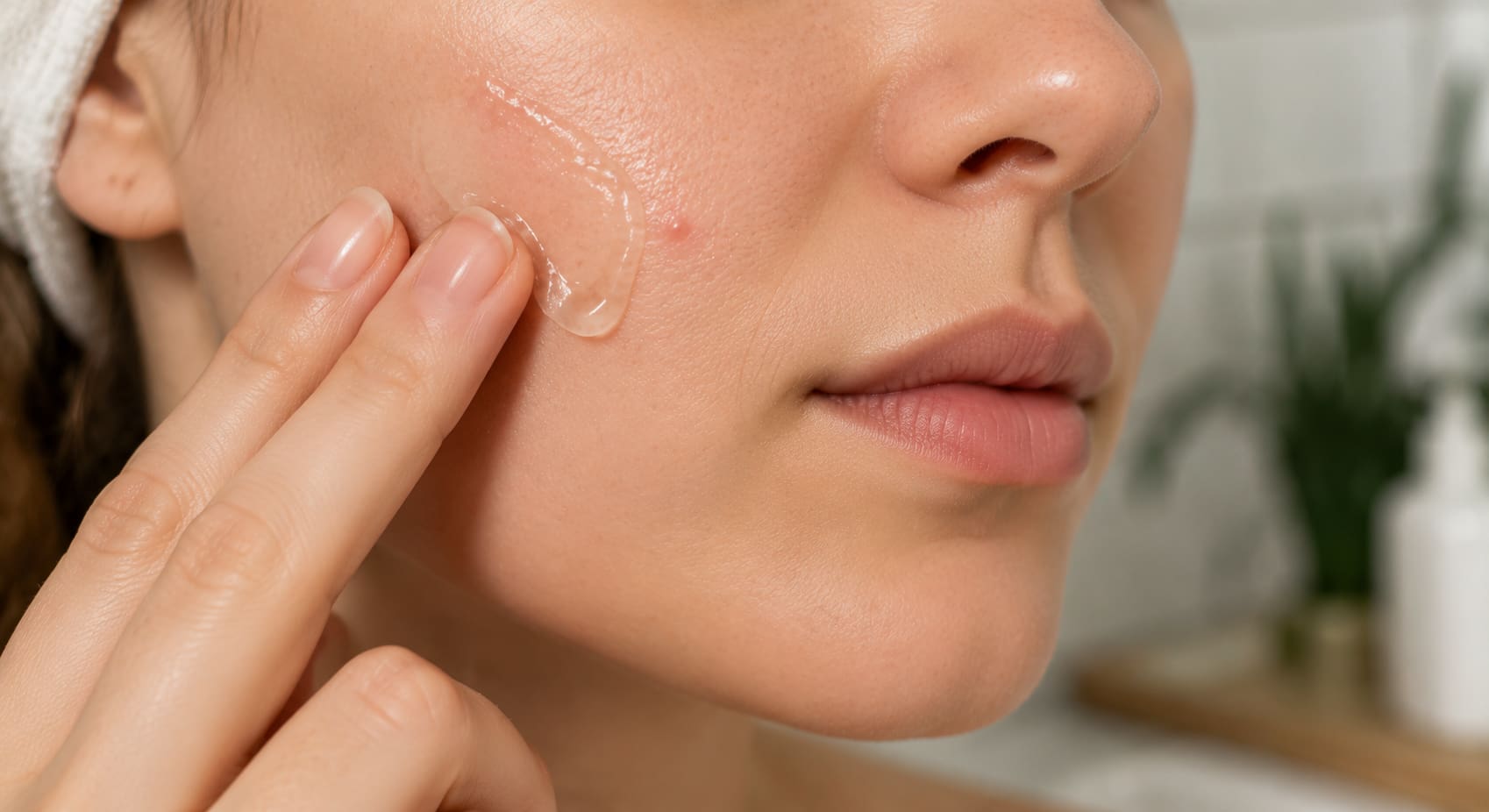
Aloe vera for the face with acne is one of the most well-grounded natural approaches. The mechanism is triple: antibacterial (against Propionibacterium acnes—the main culprit of acne), anti-inflammatory (reduces redness and swelling), and regenerative (speeds healing of post-acne marks).
A 2014 study (Hossain et al.) found that the combination of 0.05% tretinoin with aloe vera gel produced significantly better results in treating acne than tretinoin monotherapy—with significantly fewer side effects (dryness, irritation).
How to use for acne: apply the gel spot-on to inflamed areas overnight. Or use it as a base layer under a moisturizer. A mask of aloe gel + tea tree (1–2 drops) + green clay provides a pronounced drying effect for oily skin.
Anti-aging effect
Aloe vera properties in anti-aging: stimulation of collagen and hyaluronic acid synthesis through fibroblast activation, protection from photoaging (antioxidants neutralize UV damage), and reduction of fine wrinkle depth due to hydration and improved turgor.
A Japanese study in 2009 (Tanaka et al., Annals of Dermatology) found that in women aged 30–40 who took aloe vera supplements for 90 days, skin elasticity significantly improved and the visible depth of wrinkles decreased. The authors linked this to increased levels of type I procollagen and protection of existing collagen fibers from breakdown.
Anti-aging mask: aloe gel + vitamin E oil + a few drops of rose oil. Apply for 20–30 minutes, rinse with warm water. Course: 2–3 times a week for a month.
Aloe vera – for hair
Strengthening hair and stimulating growth
Aloe vera for hair is a traditional cosmetic use in India, Egypt, and across the Mediterranean. Aloe’s proteolytic enzymes cleanse the scalp of dead cells and sebum that block follicles. A cleaned follicle receives oxygen and nutrients better—hair grows healthier and stronger.
Aloe contains amino acids and B vitamins necessary for keratin synthesis—the main hair protein. Enzymatic follicle cleansing combined with improved microcirculation produces a visible growth effect after 2–3 months of regular use.
Strengthening mask: 4 tbsp aloe gel + 2 tbsp castor oil + 1 tbsp honey. Apply to roots and length, keep under a cap for 1–2 hours, rinse with shampoo. Course: once a week for 2–3 months.
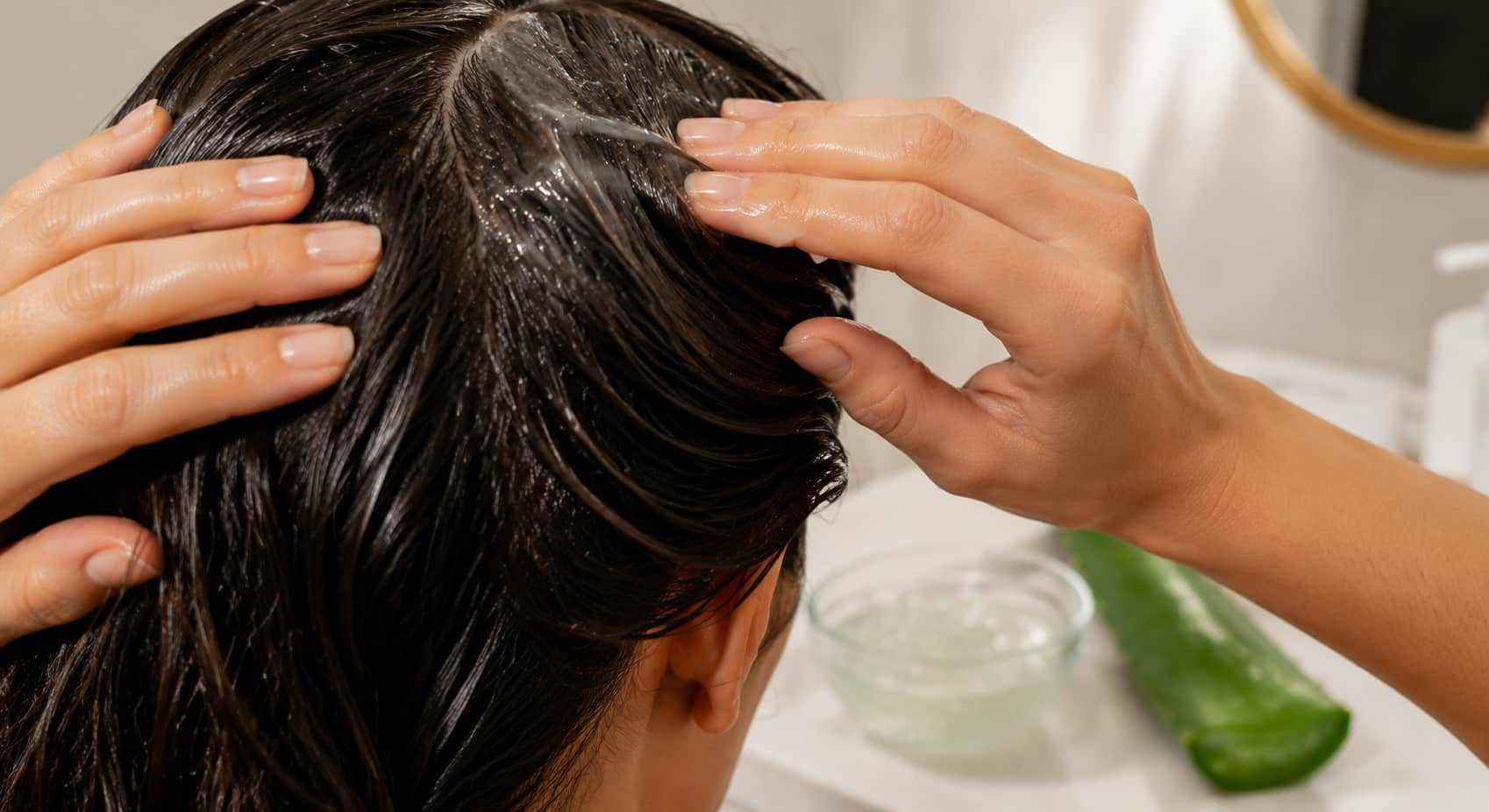
Growth rinse: dilute fresh aloe gel with water 1:3, add a few drops of rosemary essential oil. Or apply pure gel to the scalp after washing, rub in with light массаж movements for 3–5 minutes. Do not rinse.
Fighting dandruff
Dandruff in most cases is the result of scalp inflammation and/or excessive growth of the fungus Malassezia. Aloe vera works in both directions: its anti-inflammatory action reduces irritation, and antifungal components suppress pathogenic flora.
A 1999 study (Vardy et al., Journal of Dermatological Treatment) found that applying aloe vera gel twice a day for 4–6 weeks significantly reduced dandruff severity in 58% of participants.
Anti-dandruff mask: aloe gel + a few drops of tea tree oil + lemon juice. Apply to the scalp for 30 minutes before washing, rinse with shampoo. Course: once a week for a month.
Aloe vera – juice, gel, and other forms
Aloe vera juice
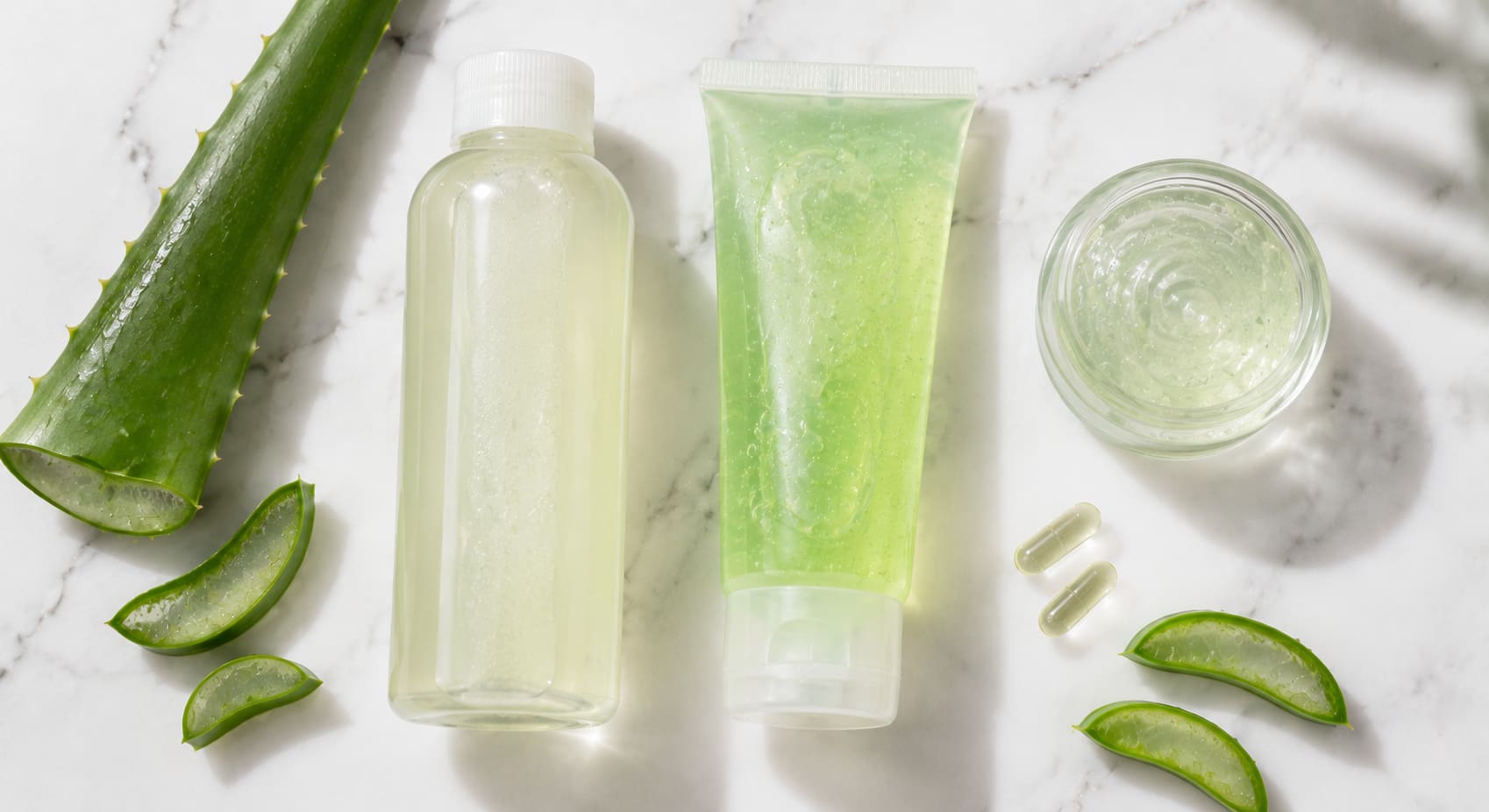
Aloe juice is the most concentrated liquid form for internal use. Two types are distinguished: whole-leaf (contains aloin—laxative, not for long-term use) and gel-based or decolorized (without aloin, suitable for regular курс use).
How to store properly: opened juice in the refrigerator for no more than 5–7 days. An industrial product should contain at least 99% juice and a natural preservative (citric acid, vitamin C). No ethyl alcohols or synthetic flavorings.
Aloe vera gel
Aloe vera gel is the main form for external use. Pure gel (96–99% aloe) is the best option for skin. Cosmetic gels with aloe may contain from 1% to 99%—check the ingredient list: the higher “Aloe barbadensis leaf juice” or “Aloe barbadensis gel” appears, the more real aloe is in the product.
A cut leaf can be stored in the refrigerator for up to 10 days, wrapped in a damp cloth. Use gel from the leaf within 2–3 days after cutting.
Extracts and supplements
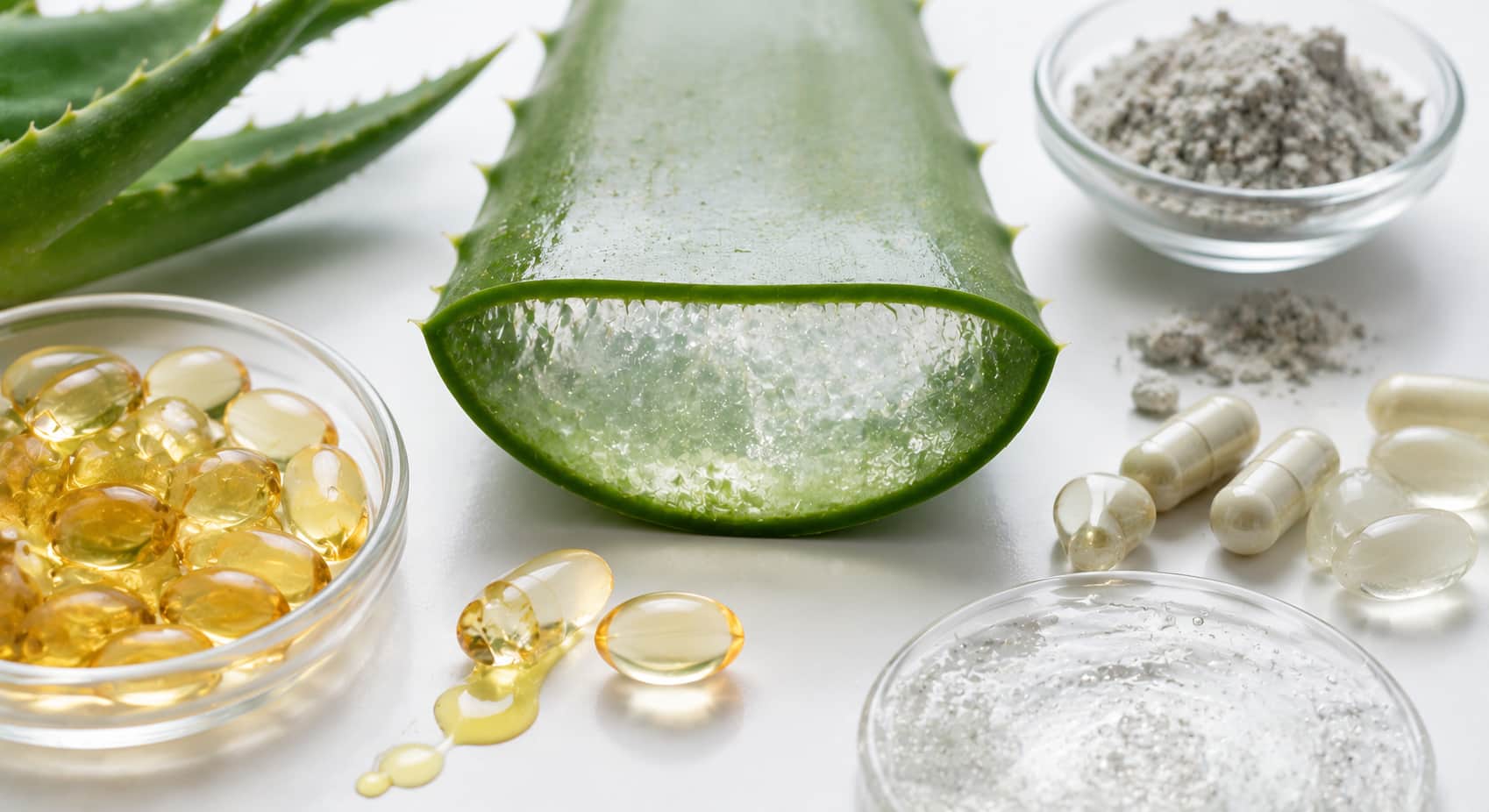
Aloe vera extract in capsules provides a standardized amount of acemannan or polysaccharides, convenient for systemic immune effects. Extract for internal use is usually standardized by polysaccharide content (at least 10%). Cosmetic extracts are a highly concentrated form for adding to домашние recipes or professional косметика.
Aloe vera – how to use it correctly
Recommended methods of use
| Goal | Form | Method |
|---|---|---|
| Digestion, detox | Juice (aloin-free) | 30–50 ml in the morning on an empty stomach |
| Immune support | Juice or extract | 30 ml/day in a 3–4 week course |
| Burns, wounds | Pure gel | Apply to the affected area 3–4 times/day |
| Acne, inflammation | Gel (96%+) | Spot application or as a mask |
| Hair care | Gel + oil | Mask once/week |
| Gums, stomatitis | Gel | Apply to the mucosa 2 times/day |
Dosage and frequency of use
Dosage for internal use: juice—30–50 ml/day for adults. Maximum dose—200 ml/day (only short-term and under supervision). Course: 3–4 weeks, break 2–3 weeks. Extract capsules: according to the manufacturer’s instructions, usually 1–2 capsules per day.
Gel externally—daily and without time limits. Juice internally (aloin-free)—safe when following the 30–50 ml/day dose in 3–4 week courses with breaks. Long-term daily intake of high doses without breaks is not recommended.
Tips for beginners
Start with a small dose—20 ml of juice per day in the first week, then move to the recommended 30–50 ml. Allergy test before external use: apply a little gel to the wrist and wait 30 minutes. Redness or itching—discontinue use. Use products only from trusted manufacturers with stated aloe content and juice type.
Aloe vera – contraindications
Who should not use it
Contraindications for internal use of aloe vera: pregnancy (aloin stimulates uterine contractions—risk of miscarriage), breastfeeding (anthraquinones pass into milk), children under 12 (without pediatric prescription), hemorrhoidal disease in an exacerbation stage, intestinal obstruction, acute appendicitis, severe kidney failure.
Allergic reactions
Allergy to aloe occurs in about 3–5% of people—more often with external use, less often with internal. Cross-reactions: possible with other bulbous plants and succulents, and with latex. Symptoms of an allergic reaction: contact dermatitis (redness, itching, swelling) with external use; nausea, cramps, diarrhea—with internal use. At the first signs, stop use immediately.
Limitations with diseases
Limitations for certain chronic diseases: irritable bowel syndrome with a diarrheal component (aloin worsens diarrhea), ulcerative colitis in exacerbation, Crohn’s disease in the acute phase, hypokalemia (aloin depletes potassium), diabetes under медикамент control (aloe lowers sugar—risk of hypoglycemia when taken together with glucose-lowering drugs).
Aloe vera – side effects
Possible bodily reactions and overdose
Side effects with external use are rare and mostly allergic. With internal use, possible: cramping abdominal pain (aloin), diarrhea if the dose is exceeded, change in urine color (orange-brown, harmless), electrolyte disturbances with prolonged use of whole-leaf juice (potassium loss—risk of weakness, arrhythmias).
Signs of overdose: pronounced intestinal cramps, profuse diarrhea, vomiting, muscle weakness. If suspected—stop taking it, restore fluid and electrolyte losses, and with severe symptoms—consult a doctor.
Drug interactions
Aloe vera interacts with: diuretics (combined use increases potassium loss), cardiac glycosides (hypokalemia increases their toxicity), warfarin and other anticoagulants (changes their effectiveness), glucose-lowering drugs (additive hypoglycemic effect), corticosteroids (mutual усиление of electrolyte loss). Interval between aloe and medications: at least 2 hours.
Aloe vera – how to choose a quality product
What to look for and how to avoid counterfeits
Certification: IASC (International Aloe Science Council) is the main quality standard for aloe products. Certified products guarantee the stated content of active polysaccharides and the absence of contaminants. For juice: “aloin-free” or “decolorized/purified”—only such a product is safe for long-term internal use. Content: at least 99% aloe juice or gel listed first in the ingredients.
Natural gel composition: Aloe barbadensis leaf juice, water, a natural preservative (citric acid, vitamin E or C), a plant thickener (xanthan gum—neutral). Red flags: ethyl alcohol among the first ingredients, synthetic fragrance, dyes, parabens. Buy from trusted brands with real COAs (certificate of analysis) available on request; avoid overly cheap products and marketplaces without origin details for raw materials.
Aloe vera – pros and cons
Main advantages
- Centuries-long history of use and a rapidly growing scientific base (3,000+ publications in PubMed).
- Wide спектр of action: skin, digestion, immunity, hair, mucosa.
- External use is safe for most people.
- Availability: houseplant, pharmacy products, косметические forms.
- Synergy with медикамент treatment for skin diseases.
Possible drawbacks and who it suits best
Drawbacks: whole-leaf juice is unsafe for long-term use due to aloin; internal use requires greater caution; it interacts with a number of drugs; allergic reactions in 3–5% of people; many low-quality products on the market; the effect is cumulative—there will be no instant result.
Aloe vera is a natural remedy, optimal for: people with chronic inflammatory skin conditions (acne, psoriasis, eczema), digestive disorders (gastritis, constipation—with cautions), prevention of photoaging and care for dehydrated skin, hair loss and scalp problems, and ускорение of healing of burns and wounds.
Aloe vera – usage tips
How to increase effectiveness, what to combine with, and common mistakes
For максимальный effect with external use: apply to clean, slightly damp skin. Leave until fully absorbed (5–10 minutes), then apply a cream or oil on top if needed. For systemic effects: combine internal intake with external application.
What to combine with: for skin—aloe + jojoba oil (complements hydration), aloe + niacinamide (enhances acne care), aloe + vitamin C serum (a powerful antioxidant complex). For hair—aloe + castor oil (strengthening + growth), aloe + egg yolk (nourishment + shine), aloe + coconut oil (protection from breakage). For internal use—aloe juice + ginger infusion (detox effect), aloe + turmeric (anti-inflammatory synergism).
Common mistakes: applying gel without an allergy test; drinking whole-leaf juice with aloin as a regular supplement; expecting an effect in 3–5 days (a real course is 3–8 weeks); buying a product with minimal aloe content (1–5%) at an inflated price; mixing aloe with hot water or oil—enzymes are destroyed; using during pregnancy without consulting a doctor.
Aloe vera – FAQ
What is aloe vera good for and can you drink aloe juice
The benefits of aloe vera are real and documented: anti-inflammatory and healing action for burns and wounds, hydration and acne treatment with external use, and moderate support for digestion and immunity with internal use. Aloe is a plant with one of the broadest evidence bases among herbal remedies.
You can drink aloe juice, but you must choose the right product. Aloin-free (decolorized) juice is safe when taken in courses. Dose: 30–50 ml/day. With diabetes, use of anticoagulants, and intestinal diseases—only after consulting a doctor.
How to use aloe for skin and is it safe daily
For the face: gel as a skincare product twice a day, or spot-on for acne. For the body: after sun exposure, for dryness, to speed healing. Externally—daily with no time limits. Internally (aloin-free juice)—daily if you follow the 30–50 ml/day dose in 3–4 week courses with breaks.
Sources
- Surjushe A. et al. Aloe vera: A short review. Indian Journal of Dermatology, 2008.
- Vardy D.A. et al. A double-blind, placebo-controlled trial of aloe vera in seborrhoeic dermatitis. Journal of Dermatological Treatment, 1999.
- Tanaka M. et al. Aloe vera improves skin elasticity and wrinkle reduction. Annals of Dermatology, 2009.
- Gupta R.K. et al. Aloe vera gel as an adjuvant in treatment of gingivitis. Journal of Clinical Periodontology, 2016.
- Torres-González L. et al. Effect of aloe vera on hepatic steatosis. World Journal of Gastroenterology, 2014.
- IASC (International Aloe Science Council). Quality Standards for Aloe Products, 2020.
If you need help choosing a quality aloe vera juice or gel, Lavka Molfara offers verified products from reliable manufacturers with IASC certification.







Write a comment