
 Delivery and payment







-100x100.png)
-100x100.png)







































- Burdock root — what it is – What burdock root is – Where it grows and how it is harvested – Use in folk medicine
- Burdock root — composition and beneficial substances – Vitamins and minerals – Inulin and its role – Biologically active components
- Burdock root — benefits for the body – Body cleansing and detox – Anti-inflammatory effect – Immune system support
- Burdock root — medicinal properties – Benefits for the liver and gallbladder – Effect on digestion – Support for joints and skin
- Burdock root — use in folk medicine – Decoctions and infusions – Alcohol tinctures – External use
- Burdock root — for skin and hair – Improving skin condition and treating acne – Hair strengthening and growth
- Burdock root — for women and men – Benefits for women’s health and hormonal balance – Benefits for the male body
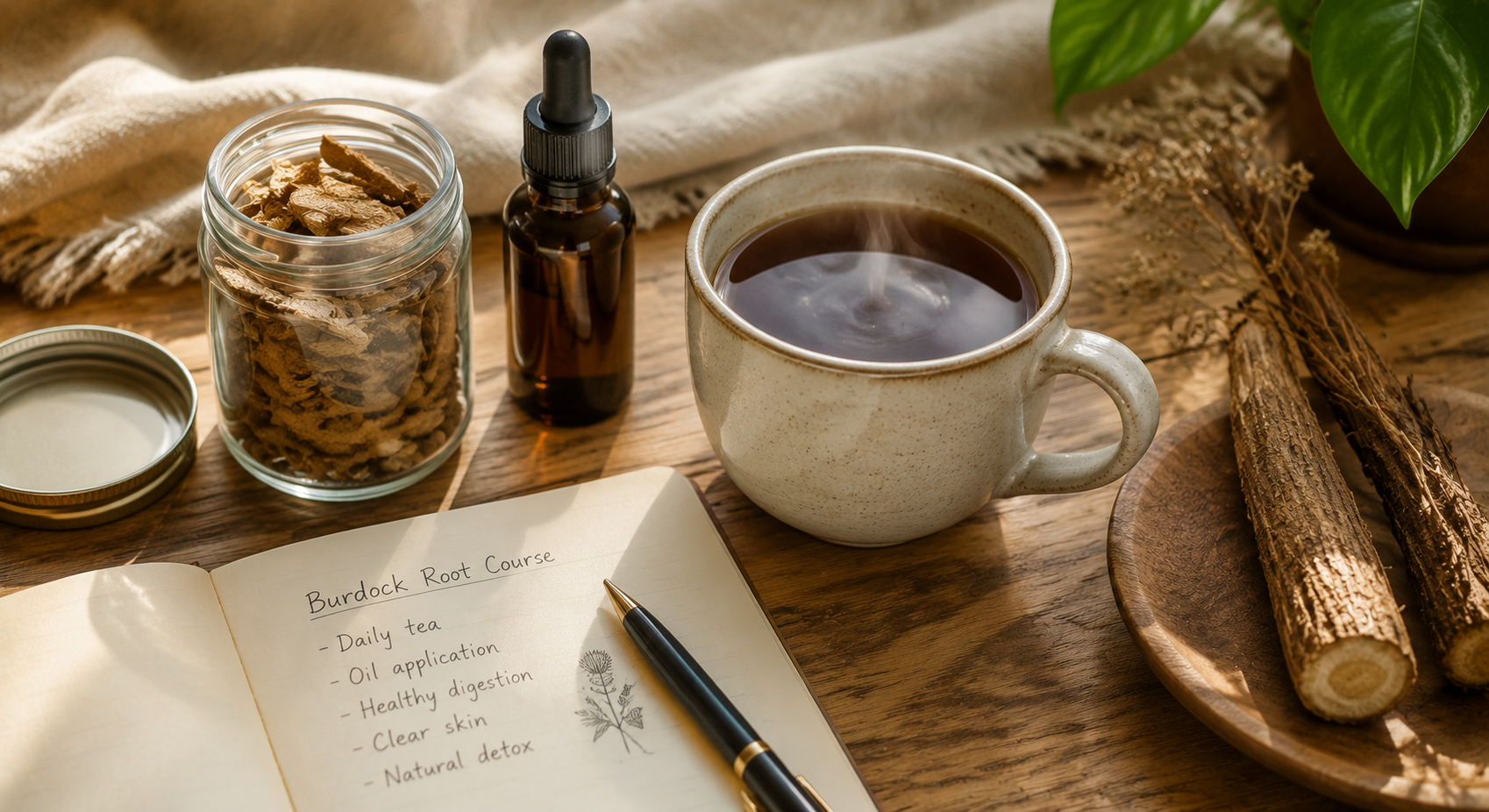
- Burdock root — how to brew and take – Decoction recipes and how to brew correctly – Recommended dosages
- Burdock root — forms of use – Dried root, extracts, and burdock oil
- Burdock root — contraindications – Who should not use it – Allergic reactions and restrictions for diseases
- Burdock root — side effects – Possible reactions, overdose, and interaction with medications
- Burdock root — how to choose and store – Selection, storage conditions, and shelf life
- Burdock root — pros and cons – Advantages – Possible drawbacks and who it suits best
- Burdock root — tips for use – How to increase effectiveness, what to combine with, and common mistakes
- Burdock root — FAQ – What burdock root is useful for – How to brew correctly and whether it can be taken daily – How long the course lasts
- Sources
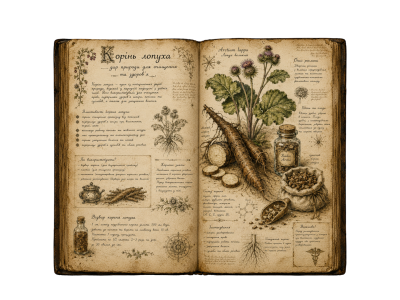
Burdock root, whose benefits have been known in folk medicine for thousands of years, is one of those plant products that modern herbal therapy does not dismiss, but studies ever more actively. What does burdock root treat? The question has a long list of answers: liver, skin, joints, digestion, hair. How useful burdock root is was already understood in medieval Europe and in traditional Chinese medicine, where it was included in basic formulas for “blood cleansing” and supporting detoxification. Let’s break down the composition, proven effects, recipes, and contraindications—without exaggeration.
Burdock root — what it is
What burdock root is
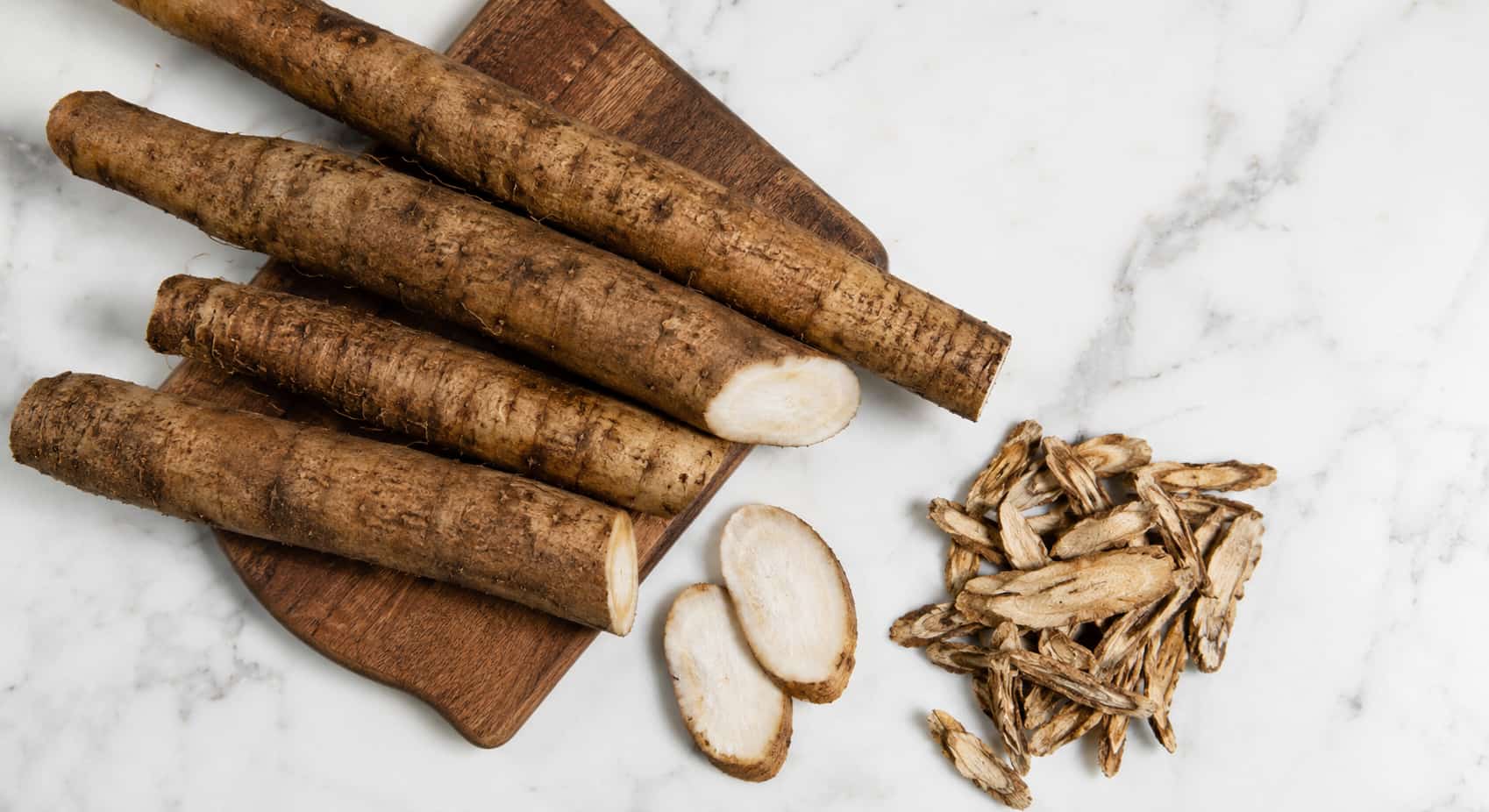
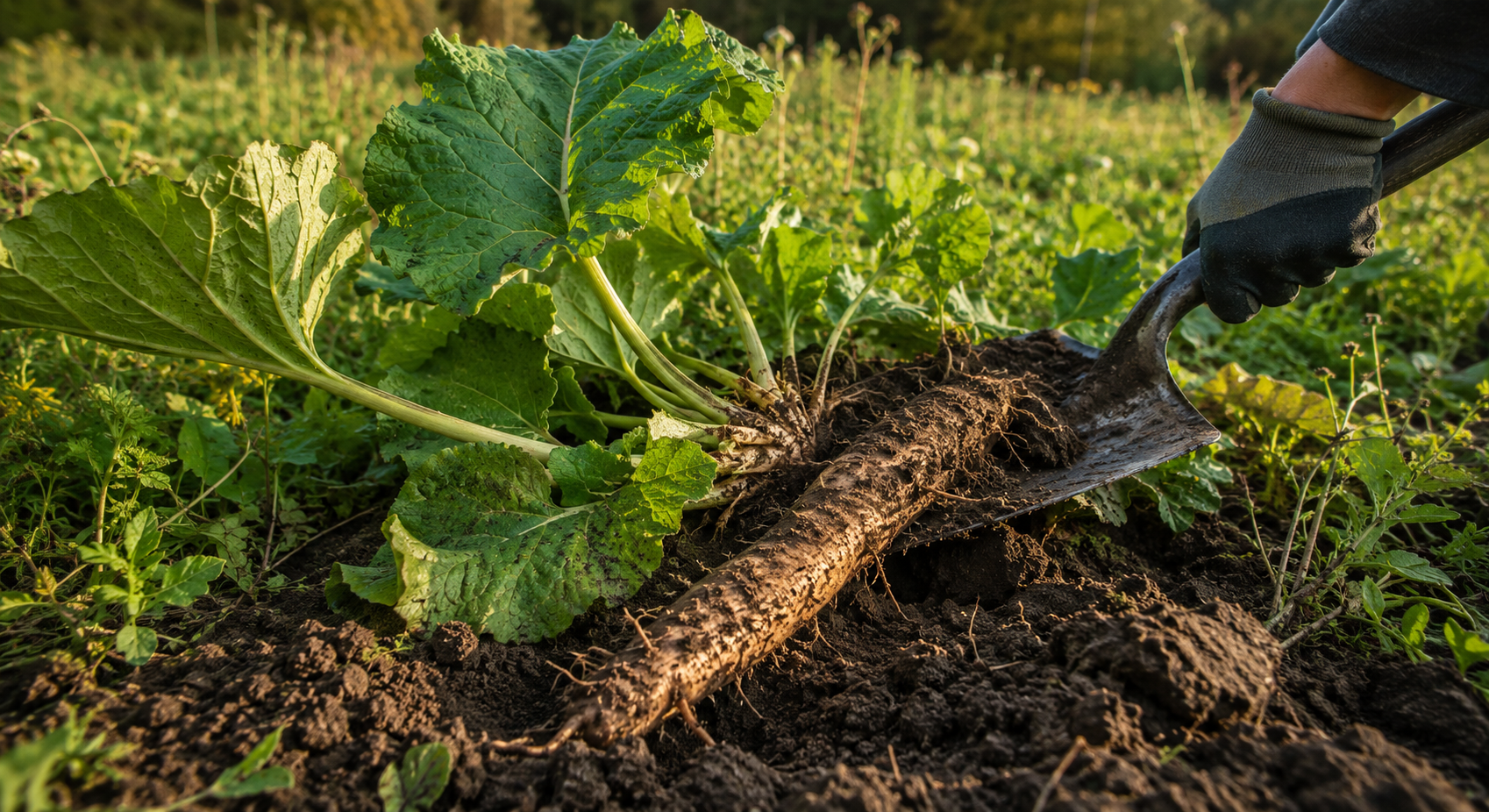
Greater burdock (Arctium lappa) is a biennial herbaceous plant of the aster family. In the first year it forms a powerful rosette of leaves and a thick taproot up to 1.5 meters long and up to 5 cm in diameter—this is the medicinal raw material. In the second year it blooms and bears fruit with the same “burrs” that stick to clothing.
In Japan and China, burdock root is eaten as a vegetable—called “gobo” and added to soups, side dishes, and chips. In Ukrainian pharmacies it is sold as dried raw material, extract, and oil. Burdock, whose benefits and harms have long been studied by herbalists, is a completely safe plant when used properly.
Where it grows and how it is harvested
Burdock grows everywhere: along roads, fences, on wastelands, riverbanks—throughout Ukraine. For harvesting, it is important to choose plants away from highways and industrial zones. The roots are collected in the autumn of the first year (September–October) or early in the spring of the second year—before growth begins. Autumn roots are considered richer in inulin and active substances.
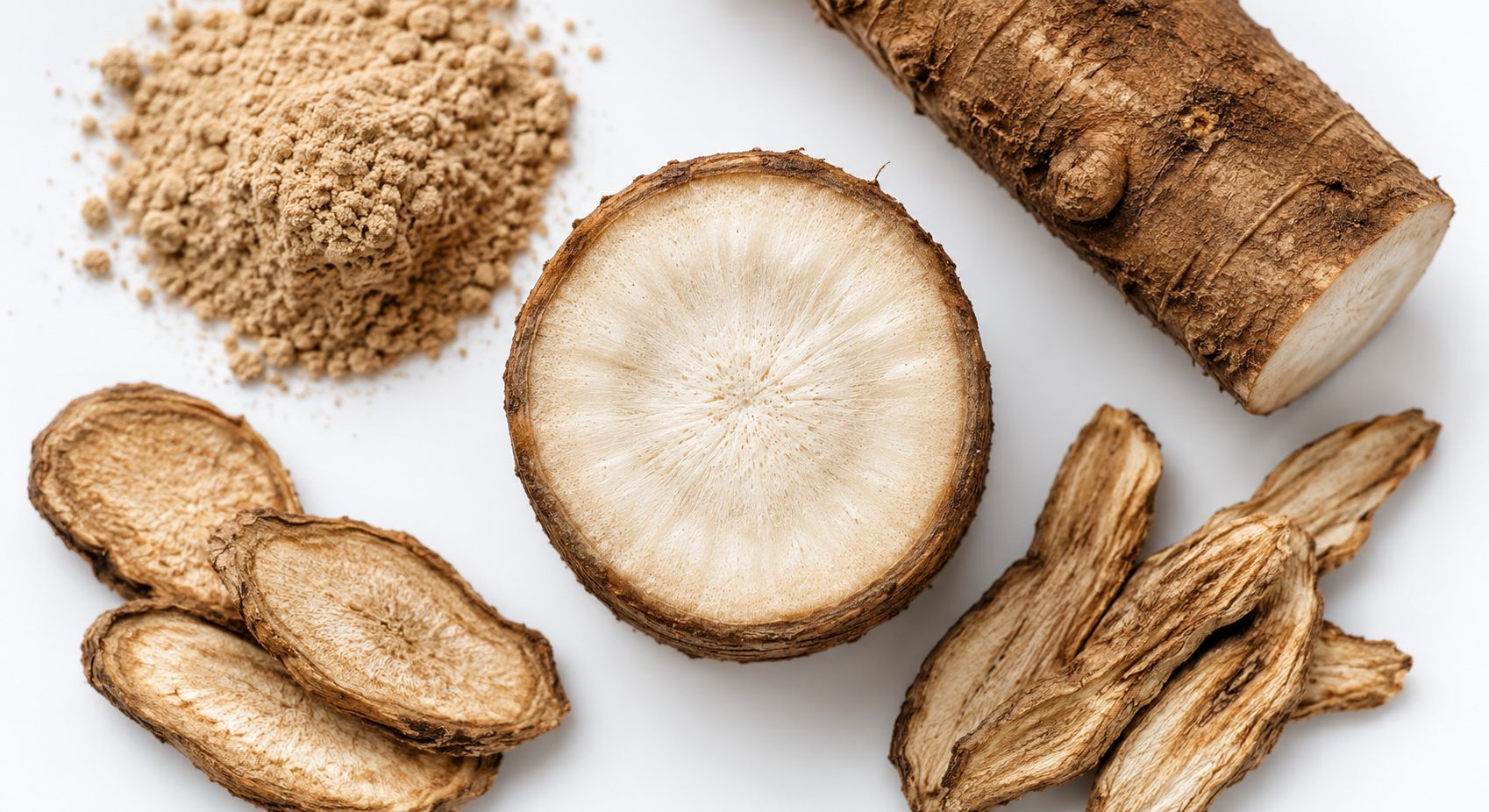
Proper harvesting: dig up, rinse, peel, slice, and dry at a temperature of 40–60°C. Properly dried root should break easily, have a light-gray color, and a faint characteristic smell.
Use in folk medicine
Folk medicine has used burdock root for at least 2000 years. In the European tradition—for “blood cleansing” for skin diseases, gout, and rheumatism. In Chinese medicine (under the name niúbàng 牛蒡)—for colds, sore throat, swelling. In Ayurveda—as a cooling and cleansing remedy for inflammatory conditions. What burdock root treats from the standpoint of modern herbal therapy: liver detox support, joint support, chronic inflammatory skin diseases.
Burdock root — composition and beneficial substances
Vitamins and minerals
Burdock root composition per 100 g of fresh raw material: calories about 72 kcal, carbohydrates 17 g (mostly inulin), protein 1.5 g, fat 0.15 g. Trace elements: potassium (308 mg), phosphorus (58 mg), calcium (41 mg), magnesium (38 mg), iron (0.8 mg), zinc (0.33 mg), manganese. Vitamins: C (3 mg), B1, B2, B6, B9 (folic acid), a small amount of vitamin E.
| Component | Amount per 100 g | Main effect |
|---|---|---|
| Inulin | 12–20 g (in dried—up to 45%) | Prebiotic, blood sugar regulation |
| Potassium | 308 mg | Heart, blood pressure, kidneys |
| Phosphorus | 58 mg | Bones, energy metabolism |
| Tannins | up to 5% | Anti-inflammatory action |
| Arctiin (lignan) | traces–0.5% | Antioxidant, anti-carcinogenic |
| Essential oils | 0.06–0.17% | Antibacterial, antifungal |
Inulin and its role
Inulin is the main active substance of burdock root. It is a soluble dietary fiber that gut bacteria use as food (a prebiotic). Benefits for the intestines: it stimulates the growth of Bifidobacterium and Lactobacillus, improves peristalsis, and lowers cholesterol. Burdock root for the intestines is primarily thanks to inulin.
The second effect of inulin: it slows glucose absorption and reduces the glycemic response to food. That is why burdock root was traditionally used for diabetes. Modern research partly confirms this: regular intake of inulin lowers HbA1c in type 2 diabetes by 0.5–1%.
Biologically active components
Besides inulin: tannins (astringent, anti-inflammatory effect), arctiin and arctigenin (lignans with antioxidant, anti-inflammatory, and potentially antitumor properties—actively studied), chlorogenic acid (antioxidant, hepatoprotective), sitosterol and stigmasterol (phytosterols that reduce cholesterol absorption in the intestines), essential oils with an antibacterial effect.
Arctigenin is one of the most promising components. In vitro research (Journal of Ethnopharmacology, 2011) showed its ability to inhibit the growth of cancer cells of several lines. Human clinical trials are still far off, but the direction is being actively studied.
Burdock root — benefits for the body
Body cleansing and detox
Burdock root for cleansing the body is the most popular use. The mechanism is real: inulin binds toxins in the intestines and removes them with stool; tannins reduce intestinal permeability; bitters stimulate bile production and pancreatic enzymes, improving the processing of fats and proteins.
It is important to understand: “detox” here is not magic, but concrete support of liver and intestinal functions. Burdock root does not “remove slags” in the advertising sense, but it truly improves the work of elimination organs when used regularly in courses.
Anti-inflammatory effect
Arctiin inhibits the synthesis of pro-inflammatory cytokines (IL-6, TNF-α)—the same mechanism as popular NSAIDs, but without their side effects on the stomach. A 2014 study (International Journal of Molecular Sciences) recorded a 35–40% reduction in inflammation markers in animals when using burdock root extract. Human clinical studies are insufficient, but herbalists use it for chronic inflammatory conditions with good observational results.
Immune system support
Inulin stimulates the growth of beneficial microflora, and a healthy microbiome is 70% of the immune response. Zinc and vitamin C support the synthesis of immune cells. Essential oils have a moderate antibacterial effect on contact with mucous membranes. Regular intake of root decoction in autumn is a classic prevention of ARVI in traditional herbal therapy.
Burdock root — medicinal properties
Benefits for the liver and gallbladder
Burdock root for the liver is one of the best documented uses. Chlorogenic acid and bitters stimulate bile secretion (choleretic effect) and reduce inflammation in hepatocytes. A Korean study in 2016 (BMC Complementary and Alternative Medicine) on mice with toxic liver damage: root extract reduced ALT and AST levels by 40–50%—that is, it protected liver cells from destruction.
Practically: burdock root decoction is used for chronic hepatitis, fatty liver disease, biliary dyskinesia—as an adjunct to main treatment. It does not treat acute liver diseases on its own.
Effect on digestion
Burdock root for the intestines works through inulin (prebiotic) and bitters (enzyme stimulation). For constipation, inulin softens stool and improves peristalsis. For dysbiosis, it feeds beneficial microflora. For gastritis with low acidity, bitters gently stimulate the production of hydrochloric acid and pepsin. Important: for gastritis with high acidity and peptic ulcer disease—use caution, it may worsen symptoms.
Support for joints and skin
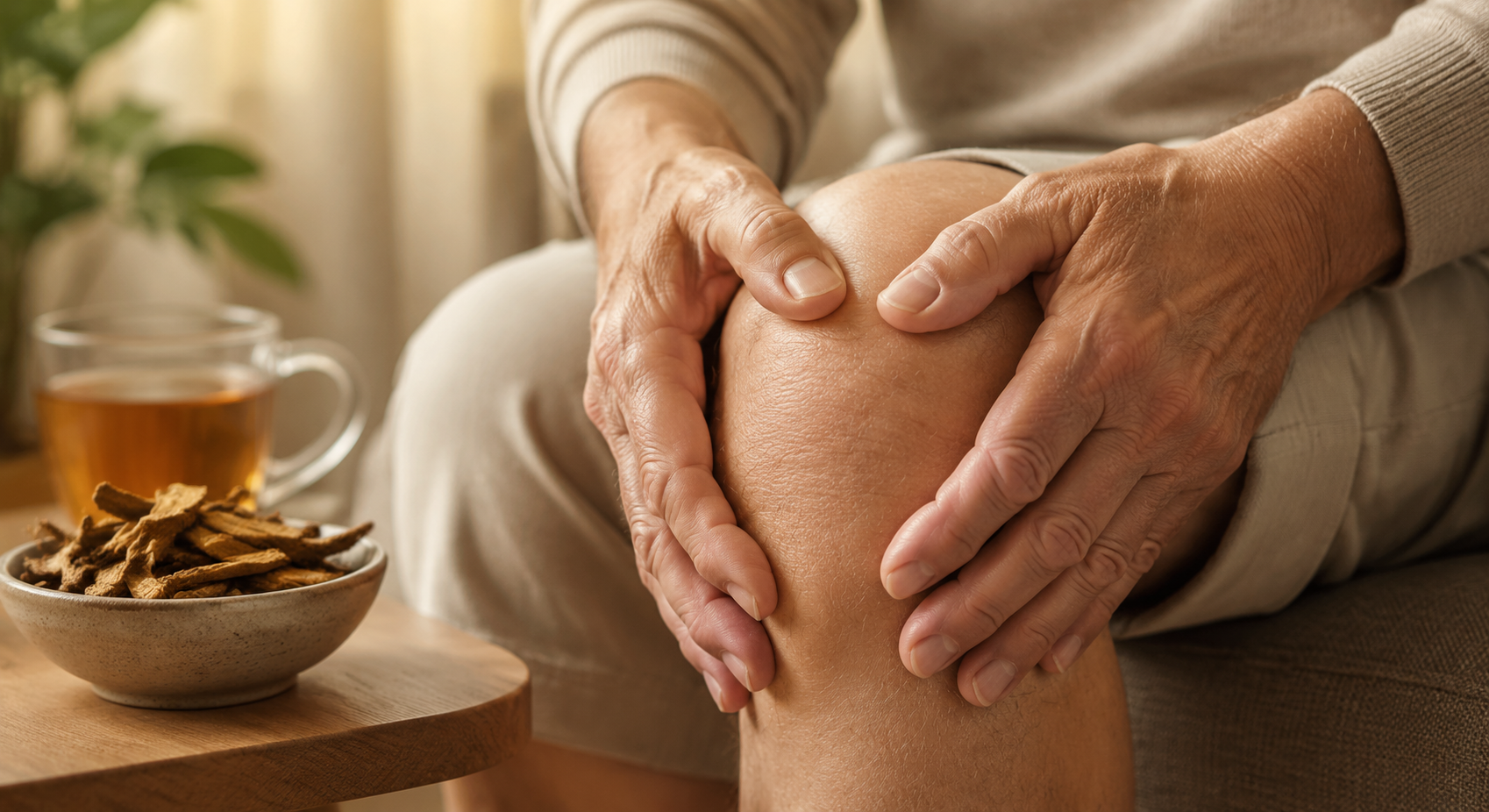
Burdock root for joints is used both internally (decoction, extract) and externally (compresses, ointment). The anti-inflammatory effect of arctiin reduces swelling and pain in arthritis, gout, rheumatism. Externally, a compress from steamed dried root is applied to affected joints for 30–40 minutes. The effect is cumulative: a course of 3–4 weeks.
For the skin, the anti-inflammatory and antioxidant effect helps with psoriasis, eczema, furunculosis. Burdock juice benefits and harms: externally it reduces inflammation; internally it supports detox and the liver; harm—individual allergy in sensitive people.
Burdock root — use in folk medicine
Decoctions and infusions
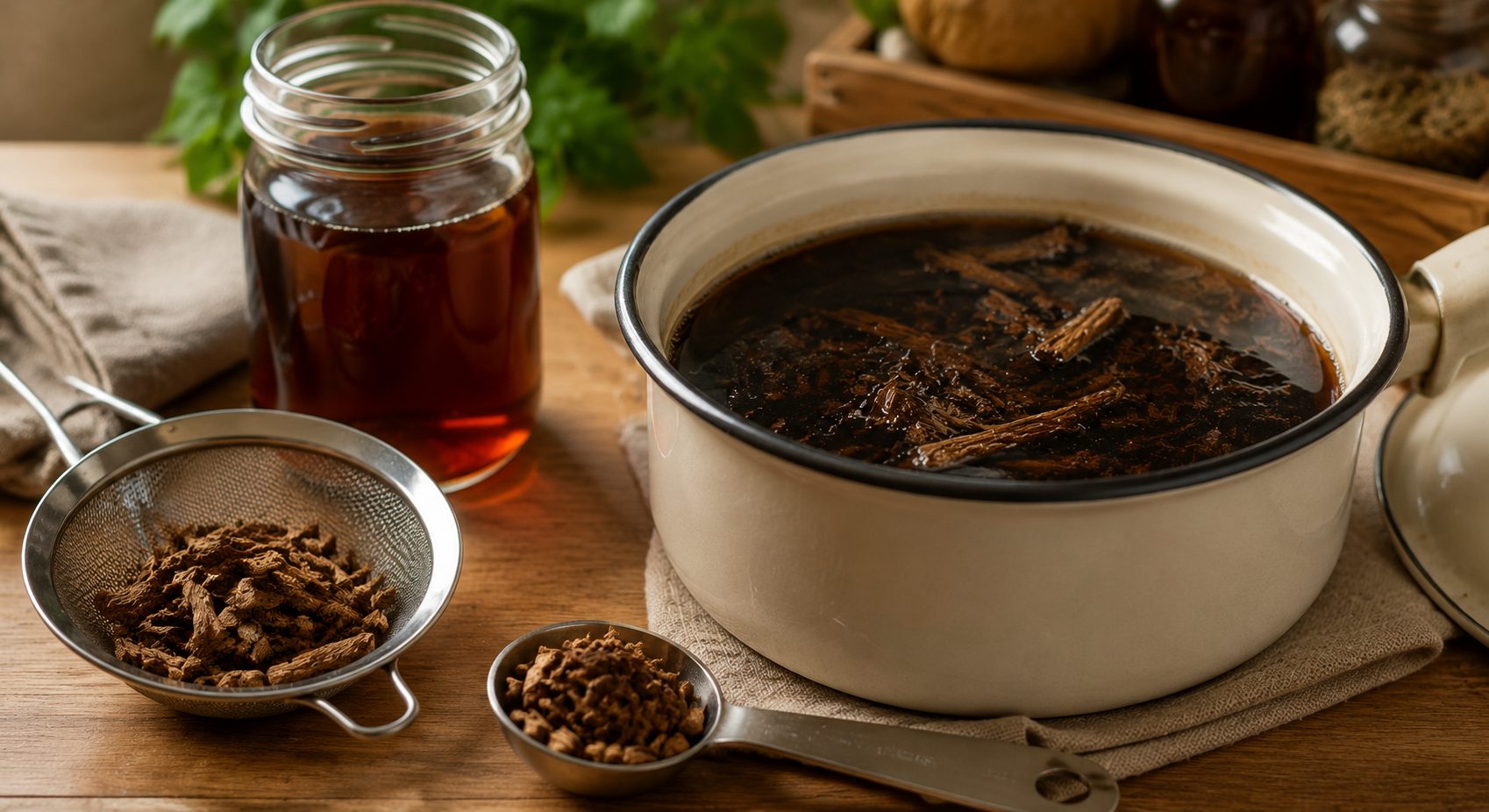
Classic decoction. Pour 500 ml of water over 2 tablespoons of crushed dried root, bring to a boil, simmer over low heat for 20 minutes, steep for 40 minutes, strain. Take 100–150 ml 3 times a day 20–30 minutes before meals. Course: 3–4 weeks, break 2 weeks.
Cold infusion (preserves enzymes). Pour 250 ml of cold water over 1 tablespoon of raw material, infuse for 8–10 hours (overnight), strain. Take in the morning on an empty stomach. A gentler effect on the GI tract.
Alcohol tinctures
Burdock root tincture with vodka: 50 g fresh or 30 g dried root per 500 ml vodka (40%), infuse in a dark place for 14–21 days, shaking periodically, strain. Take 25–30 drops 3 times a day before meals. Contraindicated in liver disease, alcohol dependence, pregnancy.
For joints, the alcohol tincture is also used externally: rub affected areas twice a day, cover with warm cloth. Course: 2–3 weeks.
External use
Compress for joint pain: soak gauze in a root decoction (2 tbsp per 200 ml water, simmer 15 minutes), apply to the sore spot, wrap with warm cloth for 1–2 hours.
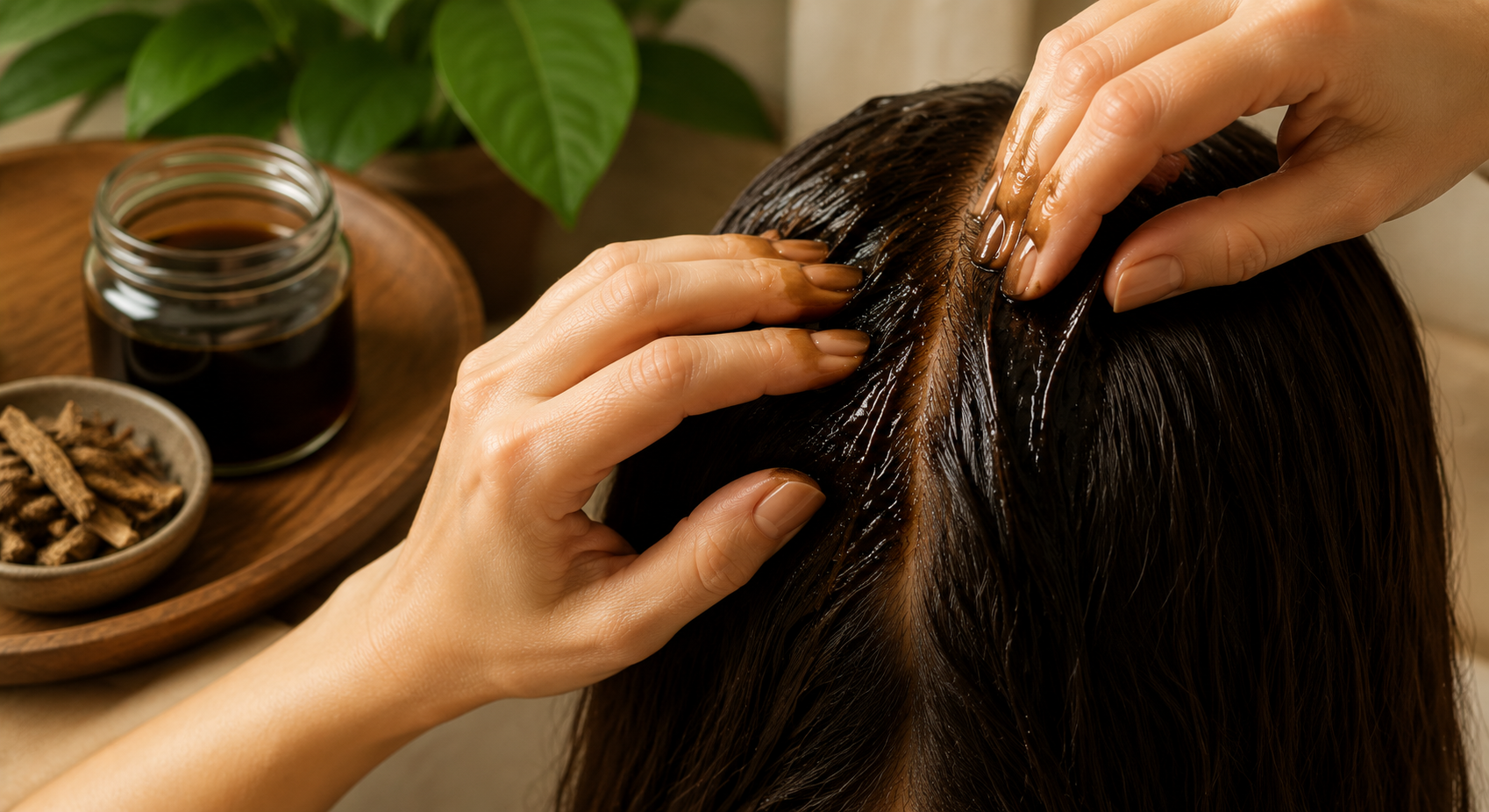
Hair mask: 4 tbsp root decoction + 2 tbsp burdock oil, apply to hair roots, wrap for 30–60 minutes, rinse with shampoo.
Lotions for acne: apply warm decoction with a cotton pad to affected areas twice a day.
Burdock root — for skin and hair
Improving skin condition and treating acne
Burdock root for skin works from the inside and outside. Internally: liver support → better toxin elimination → fewer breakouts. Externally: tannins dry and soothe inflamed areas; essential oils have antibacterial activity against Propionibacterium acnes.
For psoriasis and eczema: the decoction is taken internally in 3–4-week courses and lotions are done at the same time. Reviews from those helped by burdock root for skin problems are numerous, although evidence-based studies are few. The effect exists, but requires patience: the skin responds after 4–6 weeks.
Hair strengthening and growth
Burdock root for hair is a classic of folk cosmetology. Burdock oil strengthens hair follicles, reduces hair loss, stimulates growth. Decoction as a rinse after washing adds shine and reduces breakage. Active substances (sitosterol, essential oils) stimulate blood circulation in the scalp and nourish follicles.
A practical regimen: a mask with burdock oil + root decoction + a few drops of burdock oil—2 times a week for 30–60 minutes. After 4–6 weeks, most note reduced shedding and the appearance of new hairs along the hairline.
Burdock root — for women and men
Benefits for women’s health and hormonal balance
Burdock benefits for women are multifaceted. Reviews of burdock root in gynecology are most often associated with supportive use for mastopathy, ovarian cysts, painful menstruation, and menopausal symptoms. Phytosterols gently regulate hormonal balance; antioxidants protect breast tissue. For inflammatory diseases of the pelvic organs—as an adjunct to main treatment.
When planning pregnancy, burdock root decoction is used to support detoxification and normalize hormonal background. During pregnancy and breastfeeding—not recommended without a doctor’s approval.
Benefits for the male body
For men, burdock root is of interest for prostate support (anti-inflammatory effect), stimulation of testosterone via phytosterols (precursors of steroid hormones), liver detox support (especially with regular alcohol use), and improved GI function. For chronic prostatitis, the decoction is taken internally in 3–4-week courses as an adjunct.
Burdock root — how to brew and take
Decoction recipes and how to brew correctly
How to drink burdock root depends on the goal. Additional options:
For joints: 3 tbsp root per 600 ml water, simmer 20 minutes, steep 1 hour. Take 200 ml 3 times a day. Course 4 weeks, break 2 weeks.
For hair (rinse): 4 tbsp dried root per 1 liter water, simmer 15 minutes, cool to warm, strain. Use as a final rinse after washing.
For detox: 1 tbsp root + 1 tbsp dandelion + 1 tbsp nettle per 500 ml water. Stimulates all elimination organs at once.
How to brew burdock root correctly: never use aluminum cookware—it reacts with tannins. Best is an enamel pot or glassware. Store freshly prepared decoction in the refrigerator for no more than 2 days.
Recommended dosages
| Form of use | Dose |
|---|---|
| Decoction orally | 100–150 ml 3 times a day before meals |
| Alcohol tincture | 25–30 drops 3 times a day |
| Burdock root extract | According to the manufacturer’s instructions (usually 1–2 capsules per day) |
| Fresh root juice | 1–2 tbsp 3 times a day |
| Burdock oil externally | No limits, rub into skin or hair |
Burdock root — forms of use
Dried root, extracts, and burdock oil
Dried root is the most accessible form. Sold in pharmacies and herb shops, inexpensive. Downside: it takes time to prepare, and the taste is specific.
Burdock root extract in capsules provides a standardized amount of active substances, convenient for travel, tasteless.
Burdock juice benefits and harms: the most concentrated form, maximum active substances, but a short shelf life (up to 3 days in the refrigerator).
Burdock oil is for external use, made from leaves and root infused in vegetable oil. Used for hair, joints, skin. Do not confuse it with essential oil—this is a fatty oil infusion.
What burdock helps with in each form is essentially the same; the difference is only convenience and concentration. Burdock root extract is the best option for those who want a stable result without preparation.
Burdock root — contraindications
Who should not use it
Burdock root contraindications: pregnancy and breastfeeding (insufficient safety data), allergy to plants of the aster family (chamomile, ragweed, chrysanthemums—cross-reactions), exacerbation of gastric and duodenal ulcer disease, acute pancreatitis, gallstone disease with large stones (the choleretic effect can provoke an attack), children under 12—without consulting a pediatrician.
Allergic reactions and restrictions for diseases
Burdock root harm most often manifests precisely through allergy—especially with external use of fresh juice. Symptoms: itching, redness, swelling. Test before use: apply a little decoction to the wrist and wait 20–30 minutes. Burdock root reviews on contraindications: people with diabetes who take glucose-lowering drugs should consult a doctor—inulin may enhance their effect.
Burdock root — side effects
Possible reactions, overdose, and interaction with medications
Side effects when following dosages are rare. Possible: bloating and gas in the first days (inulin increases fermentation processes—passes in 5–7 days), diarrhea with excessive dose, more frequent urination (diuretic effect). Overdose: with significant excess—nausea, vomiting, severe diarrhea. No serious toxic effects have been described.
Drug interactions: enhances the effect of antidiabetic drugs (lowers sugar), potentiates diuretics, may reduce absorption of iron preparations when taken simultaneously. Interval between doses: 2 hours.
Burdock root — how to choose and store
Selection, storage conditions, and shelf life
How to choose: high-quality dried root should have a grayish-brown color on the outside and whitish-yellow on the break. The smell is faint, specific, without mustiness. The structure is firm, not crumbling into dust. Avoid products with signs of mold, too dark, or with a sharp unpleasant odor.
Storage conditions: a dark, dry place in tightly closed glass or paper packaging. Temperature: room temperature. Shelf life of dried root is 2–3 years with proper storage. Prepared decoction—no more than 2 days in the refrigerator. Burdock oil—up to 12 months in a dark, cool place.
Burdock root — pros and cons
Advantages
- Wide spectrum of action (liver, skin, joints, GI tract, hair).
- Availability and low price.
- Good tolerability when dosages are followed.
- Compatibility with most other herbs.
- Natural composition without synthetic additives.
Possible drawbacks and who it suits best
Drawbacks: the effect is cumulative, noticeable after 3–6 weeks; the specific taste of the decoction is not liked by everyone; limited evidence base (most data are preclinical or observational); not suitable for those allergic to aster plants; the choleretic effect is dangerous with gallbladder stones. Who it suits best: people with chronic inflammatory skin diseases; with deterioration of hair and nails; with digestive issues and dysbiosis; to support the liver with irregular eating or alcohol load; for joint pain as an adjunct remedy.
Burdock root — tips for use
How to increase effectiveness, what to combine with, and common mistakes
How to increase effectiveness: take regularly without skipping days—irregular intake eliminates the cumulative effect. Drink enough water (1.5–2 liters/day)—especially important with diuretic and detox effects. Combine internal and external use for skin and joint problems.
What to combine with: with dandelion—enhances liver detox; with nettle—supports blood formation and anti-inflammatory effect; with chamomile—for GI problems (but caution with aster allergies); with milk thistle—for maximum liver support.
Common mistakes: expecting an effect in 3–5 days (realistically 3–6 weeks), taking it for months without breaks (optimal: 3–4 weeks, break 2 weeks), not accounting for the choleretic effect in gallstone disease, mixing with hot milk—reduces inulin activity.
Burdock root — FAQ
What burdock root is useful for
Burdock root benefits and harms in a short summary: benefits—liver support, intestinal detox, anti-inflammatory action for joint and skin diseases, hair strengthening, moderate immune-stimulating effect. Harm—if allergic to asters, with gallstone disease with large stones, with overdose. When used properly, it is a safe and effective herbal remedy.
How to brew correctly and whether it can be taken daily
How to take burdock root—optimally in courses: 3–4 weeks of daily intake, then a 2-week break. Daily use for more than 2 months in a row without a break is not recommended. Brew the decoction in enamel cookware; store in the refrigerator for no more than 2 days.
How long the course lasts
Course duration of burdock root for different goals: for detox and liver—3–4 weeks; for joints—4–6 weeks; for skin—4–8 weeks; for hair (externally)—no limits, can be ongoing. After each course—a break of at least 2 weeks. Burdock root reviews confirm: the most pronounced result is after the second or third course.
Sources
- Predes F.S. et al. Antioxidative and in vitro antiproliferative activity of Arctium lappa root extracts. BMC Complementary and Alternative Medicine, 2011.
- Xu Z. et al. Hepatoprotective effects of Arctium lappa on carbon tetrachloride-induced liver injury. BMC Complementary and Alternative Medicine, 2016.
- Ferracane R. et al. Metabolic profile of the bioactive compounds of burdock. Journal of Pharmaceutical and Biomedical Analysis, 2010.
- WHO. Monographs on selected medicinal plants. Vol. 4, 2009.
If you need help choosing a high-quality burdock root or extract, Lavka Molfara has proven herbal products from reliable suppliers.

Write a comment