
 Delivery and payment







-100x100.png)
-100x100.png)

















































- Medications to lower cortisol in women — what they are and why they’re needed – What cortisol is and its role in the body – Why cortisol rises in women – When lowering cortisol levels is needed
- Medications to lower cortisol in women — reasons for elevated levels – Chronic stress and overload – Hormonal disorders and lifestyle
- Medications to lower cortisol in women — symptoms of high cortisol – Fatigue, anxiety, and sleep problems – Weight gain and hormonal disruptions
- Medications to lower cortisol in women — types of remedies – Vitamins, adaptogens, and medications
- Medications to lower cortisol in women — vitamins and supplements – Magnesium, B vitamins, and omega-3
- Medications to lower cortisol in women — adaptogens – Ashwagandha – Rhodiola rosea – Ginseng and other herbs
- Medications to lower cortisol in women — pharmacy products – When they’re prescribed and examples of products – The importance of consulting a doctor
- Medications to lower cortisol in women — how to choose and take – What to pay attention to and dosage
- Medications to lower cortisol in women — side effects – Reactions, contraindications, and interactions
- Medications to lower cortisol in women — natural alternatives – Lifestyle, nutrition, and physical activity
- Medications to lower cortisol in women — tips – Helpful habits and mistakes
- Medications to lower cortisol in women — who it’s suitable for – Women with chronic stress, hormonal disruptions, and sleep problems
- Medications to lower cortisol in women — FAQ – Which products lower cortisol best – Is it possible to lower cortisol without medication and how fast
- Sources
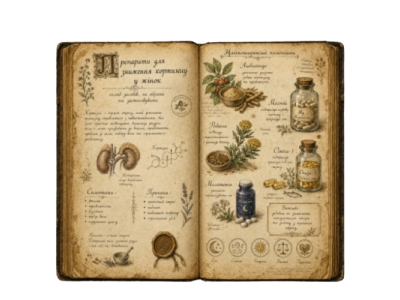
Medications to lower cortisol in women is a topic that has become especially relevant in recent years. Chronic stress, lack of sleep, hormonal disruptions: cortisol—the stress hormone—consistently exceeds the norm in many women. How to lower cortisol—medications, vitamins, adaptogens, or lifestyle changes—we break down in this review. Cortisol-lowering medications do not replace addressing the root cause, but they can significantly speed up recovery.
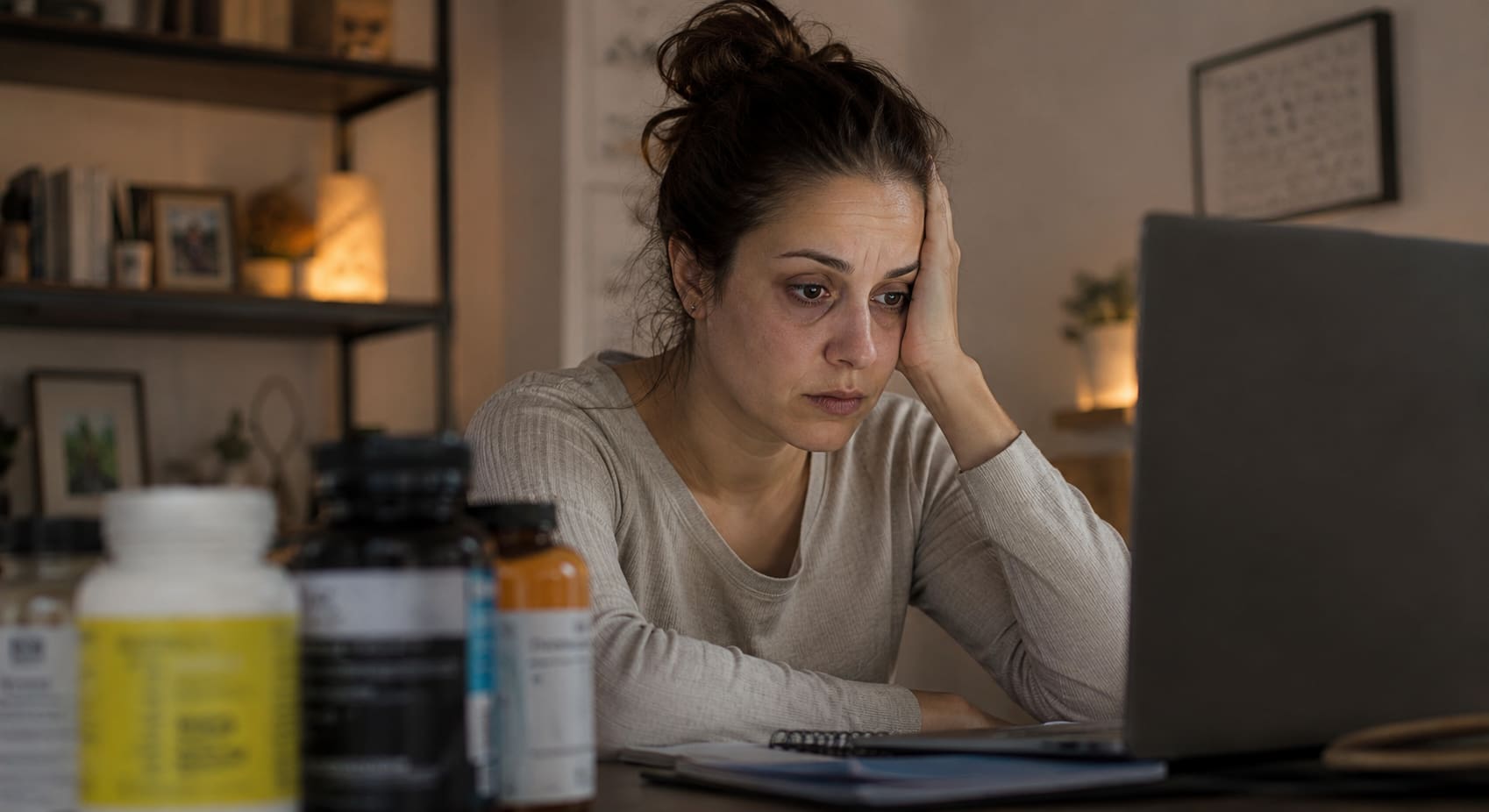
Medications to lower cortisol in women — what they are and why they’re needed
What cortisol is and its role in the body
Cortisol is a steroid hormone produced by the adrenal glands. Normally, it mobilizes energy during stress and regulates blood pressure and inflammation. It peaks in the morning (upon waking) and is lowest at night. The problem isn’t cortisol itself, but its chronically high level: when stress doesn’t stop, the adrenal glands operate in a state of constant overload.
Why cortisol rises in women
The female body is especially sensitive to cortisol fluctuations: it directly interacts with estrogen, progesterone, and the thyroid gland. How to lower cortisol in women is a complex question because there are several causes: chronic stress, sleep disruption, unbalanced diet, intense training without recovery, polycystic ovary syndrome, perimenopause.
When lowering cortisol levels is needed
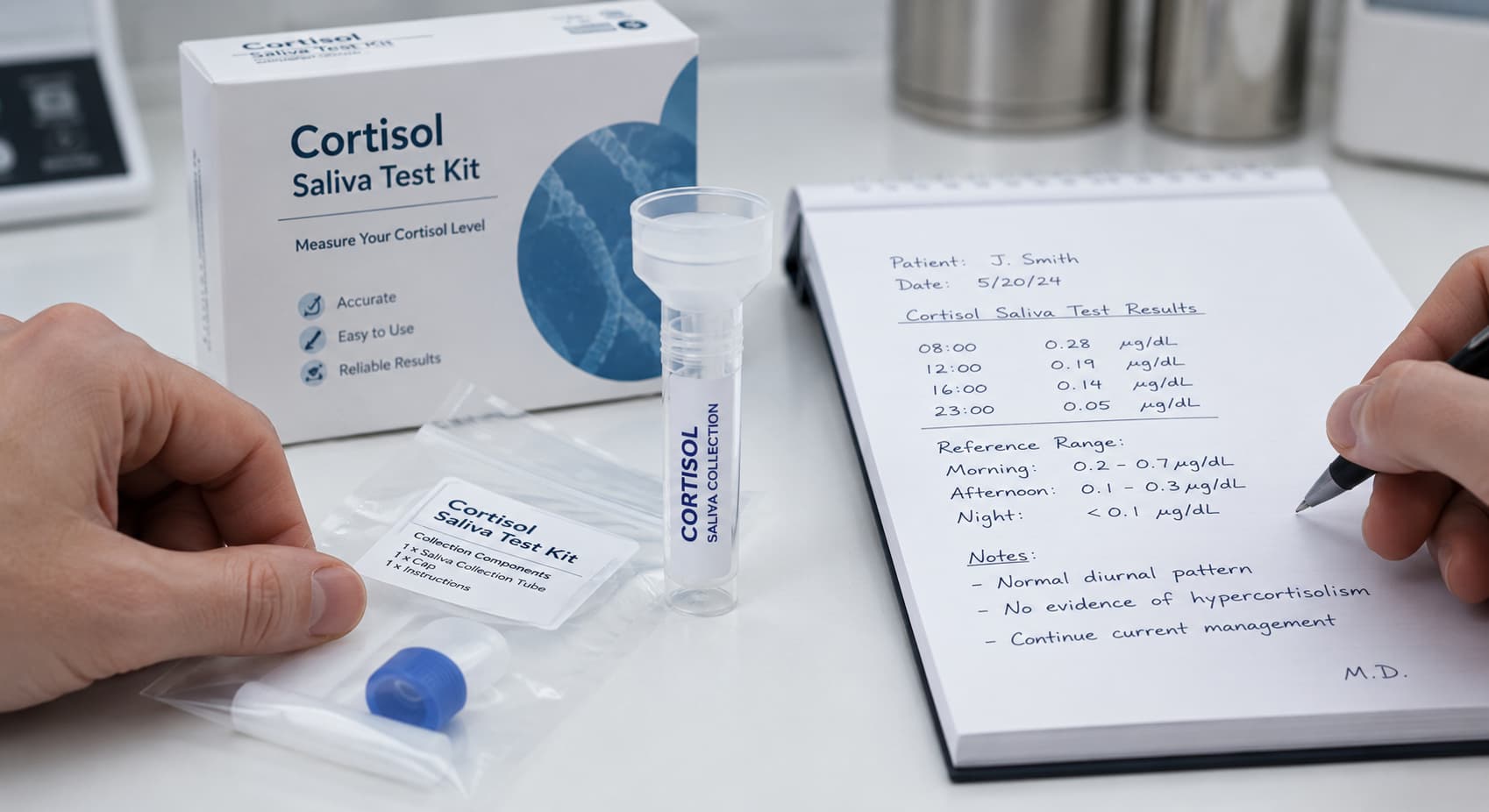
Lowering cortisol levels is relevant if symptoms last longer than 3–4 weeks and are confirmed by testing (saliva or 24-hour urine is more accurate than blood). You shouldn’t prescribe medications to lower cortisol on your own—first tests, then a decision.
Medications to lower cortisol in women — reasons for elevated levels
Chronic stress and overload
Deadlines, multitasking, emotional burnout—the adrenal glands don’t distinguish work stress from a threat to life. They respond the same way: cortisol goes up. If this lasts for months, adaptogens for stress and magnesium work better than most pharmacy products.
Hormonal disorders and lifestyle
Hormonal balance in women is a fragile system. Symptoms of elevated cortisol often overlap with hypothyroidism and PCOS. A diet high in sugar and caffeine, sleep deficit, and physical hyperactivity (marathon-style training without rest) are the most common “everyday” causes of chronically high cortisol.
Medications to lower cortisol in women — symptoms of high cortisol
Fatigue, anxiety, and sleep problems
The paradox of high cortisol: a person is tired but can’t fall asleep. Cortisol and sleep are antagonists: an evening cortisol peak blocks melatonin production. Add anxiety with no obvious reason, irritability, difficulty concentrating—classic signs of chronic stress.
Weight gain and hormonal disruptions
Cortisol and weight are directly linked. Chronically high levels provoke fat accumulation in the abdominal area—the so-called cortisol belly. How to get rid of a cortisol belly is a question thousands of women search for. The answer: lower cortisol comprehensively; exercise alone won’t solve it. Also: cycle irregularities, reduced libido, hair loss.
Medications to lower cortisol in women — types of remedies
Vitamins, adaptogens, and medications
Pills to lower cortisol are divided into three categories:
| Category | Examples | When it’s suitable |
|---|---|---|
| Vitamins and minerals | Magnesium, B6, omega-3, vitamin C | Mild to moderate stress, prevention |
| Herbal adaptogens | Ashwagandha, rhodiola, ginseng | Chronic stress, fatigue, anxiety |
| Over-the-counter pharmacy products | Afobazole, glycine, Persen | Moderate symptoms without a prescription |
| Prescription medications (Rx) | Prescribed by an endocrinologist for Cushing’s disease | Only as prescribed by a doctor |
Medications to lower cortisol in women — vitamins and supplements
Magnesium, B vitamins, and omega-3
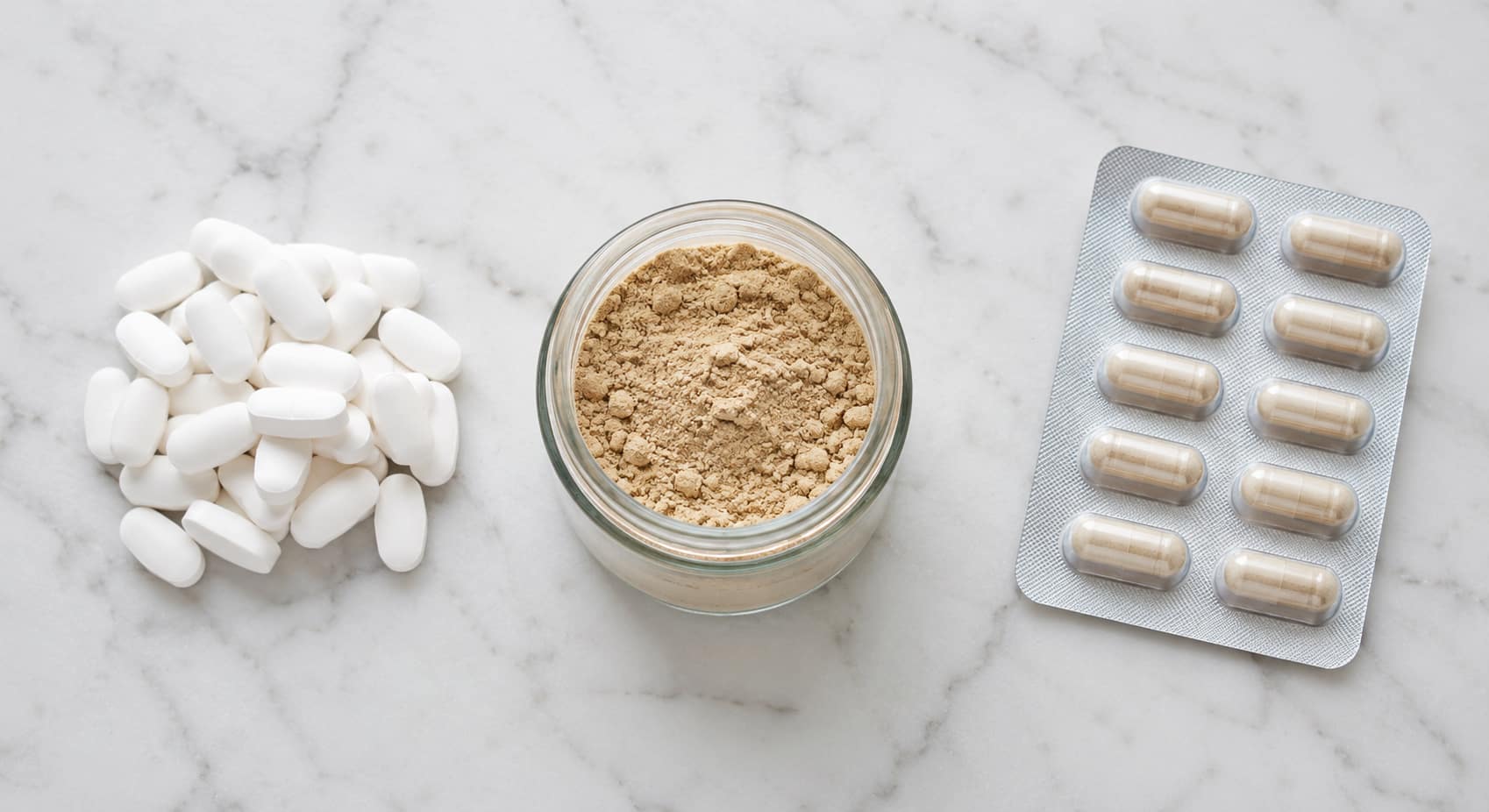
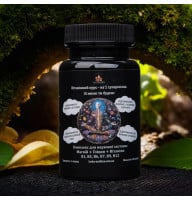
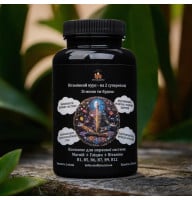
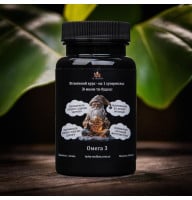
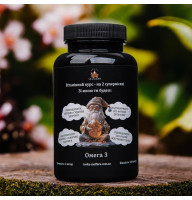
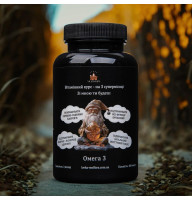
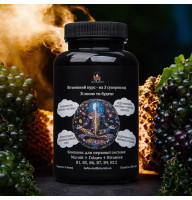
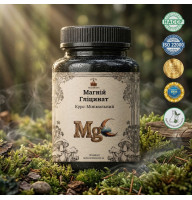
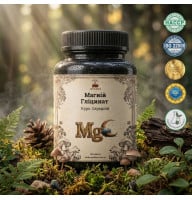
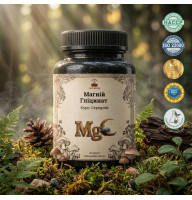
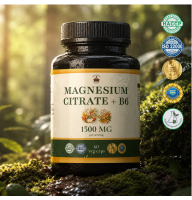
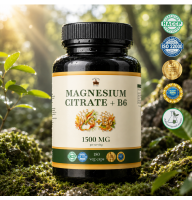
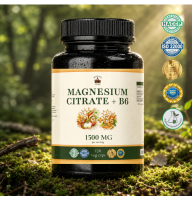
Magnesium and cortisol is one of the most studied links. Magnesium deficiency amplifies the stress response, and replenishing stores lowers cortisol levels and improves sleep. Form: citrate or glycinate, 300–400 mg in the evening. Vitamins to lower cortisol are primarily B6 (supports GABA synthesis) and B5 (pantothenic acid, needed for adrenal function). Omega-3s and antioxidants reduce inflammation, which itself stimulates cortisol production. A 2010 study (Delarue et al.) showed: omega-3s reduced the cortisol response to psychological stress by 22%.
Medications to lower cortisol in women — adaptogens
Ashwagandha
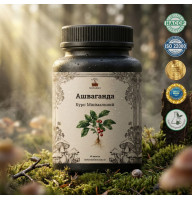
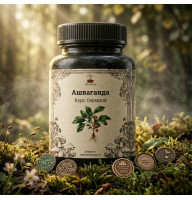
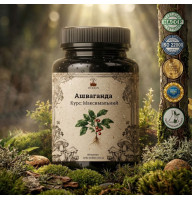
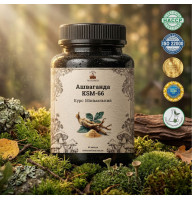
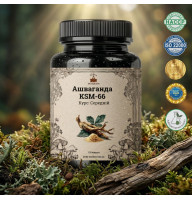
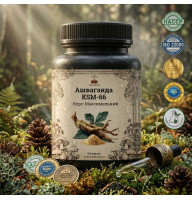
Ashwagandha and cortisol is the most well-documented link among all adaptogens. A randomized 2019 study (Chandrasekhar et al., Medicine): 300 mg of root extract twice daily reduced salivary cortisol levels by 27.9% over 60 days. Sleep, anxiety, and energy levels improved in parallel. Natural cortisol blockers—ashwagandha ranks first on this list.
Rhodiola rosea
Rhodiola regulates cortisol via the hypothalamic–pituitary–adrenal axis, reducing an excessive stress response. It’s effective for mental fatigue and emotional burnout. Standard dose: 200–400 mg of extract (3% rosavins) in the morning. Important: rhodiola is stimulating, so it isn’t taken at night.
Ginseng and other herbs
Ginseng, eleuthero, schisandra are classic stress adaptogens. They act more gently than ashwagandha and are suitable for a long course. Plant-based anti-stress products with these components are widely available in pharmacies without a prescription.
Medications to lower cortisol in women — pharmacy products
When they’re prescribed and examples of products
Over-the-counter pharmacy products to lower cortisol include Afobazole (an anxiolytic without sedation), glycine (an inhibitory neurotransmitter that improves sleep), Persen (valerian + mint), melatonin (for sleep disorders). Cortisol blockers sold in pharmacies as serious medications (ketoconazole, mitotane) are used only for diagnosed Cushing’s disease as prescribed by an endocrinologist. Self-medication is dangerous.
The importance of consulting a doctor
How to lower cortisol with pills without harm—only under the control of lab results. Before starting any course, especially adaptogens, it’s worth testing salivary cortisol (morning and evening) and consulting an endocrinologist or a gynecologist-endocrinologist.
Medications to lower cortisol in women — how to choose and take
What to pay attention to and dosage
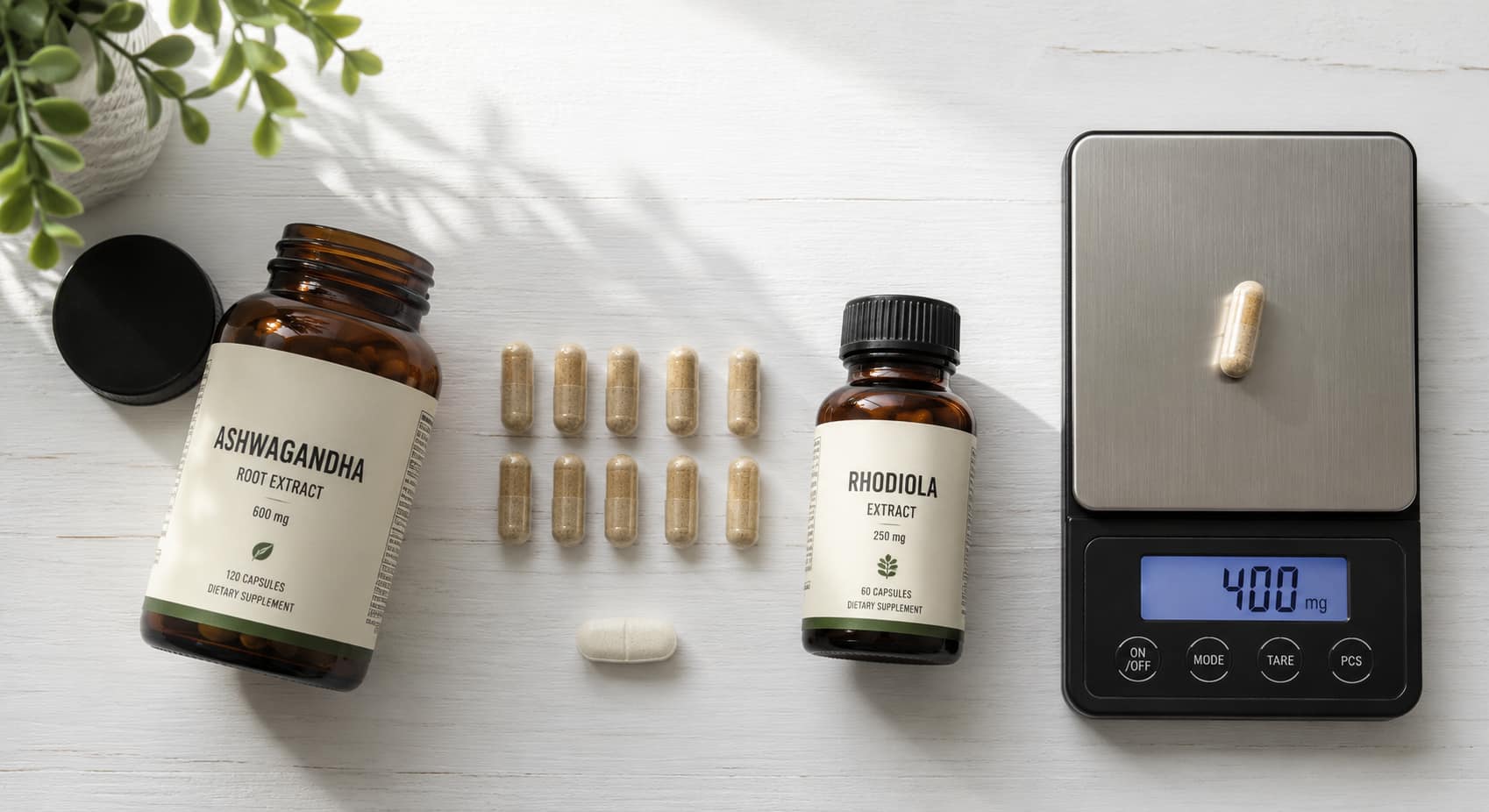
How to choose cortisol-lowering medications—based on symptoms. For anxiety and insomnia—magnesium glycinate + ashwagandha in the evening. For fatigue and burnout—rhodiola in the morning + a B-complex. Recommended dosages: ashwagandha 300–600 mg/day, rhodiola 200–400 mg/day, magnesium 300–400 mg/day, omega-3 1–2 g/day. Duration of an adaptogen course is 2–3 months, then a 4-week break.
Medications to lower cortisol in women — side effects
Reactions, contraindications, and interactions
Cortisol-lowering products from the adaptogen group are generally safe, but: ashwagandha can cause nausea when taken on an empty stomach, and in some people it increases anxiety at the start. Rhodiola has a stimulating effect; do not take it with bipolar disorder. Contraindications: pregnancy and breastfeeding (most adaptogens), autoimmune diseases, hyperthyroidism. Interactions: adaptogens may reduce the effectiveness of immunosuppressants and enhance the effect of sedatives.
Medications to lower cortisol in women — natural alternatives
Lifestyle, nutrition, and physical activity
How to lower cortisol without medication is realistic. Natural stress remedies: 7–9 hours of sleep (the key regulator of cortisol), meditation and breathing practices, moderate aerobic activity (a 30-minute walk lowers it; exhausting workouts raise it). Nutrition to lower cortisol: less caffeine and sugar, more vegetables and protein. How to normalize cortisol through food—don’t skip meals: the body perceives hunger as stress.
Medications to lower cortisol in women — tips
Helpful habits and mistakes
Helpful habits: limit news consumption (a cortisol trigger), get daylight exposure—this regulates circadian rhythm. Mistakes to avoid: taking adaptogens chaotically without a course, drinking rhodiola in the evening, combining several stimulating adaptogens at once, ignoring the root cause and “masking” symptoms with supplements.
Medications to lower cortisol in women — who it’s suitable for
Women with chronic stress, hormonal disruptions, and sleep problems
Stress supplements are optimal for women with chronic stress and burnout without diagnosed pathology, with mild hormonal disruptions and sleep issues. If Cushing’s disease or PCOS is suspected—see an endocrinologist first.
Medications to lower cortisol in women — FAQ
Which products lower cortisol best
Among natural options—aswhagandha has the strongest evidence base. Among vitamins—magnesium citrate/glycinate. Among over-the-counter pharmacy products—Afobazole or glycine for anxiety and insomnia. Medications to lower cortisol (prescription)—only for Cushing’s disease as prescribed by a doctor.
Is it possible to lower cortisol without medication and how fast
Yes: sleep, moderate exercise, nutrition, meditation. The effect is noticeable after 3–4 weeks of consistent adherence. Is it safe to take supplements—yes, in the absence of contraindications and with adherence to dosages. How quickly cortisol decreases when taking adaptogens—first changes in 2–4 weeks, stable results in 6–8 weeks.
Sources
- Chandrasekhar K. et al. A prospective, randomized double-blind study of safety and efficacy of ashwagandha. Medicine, 2019.
- Delarue J. et al. Fish oil prevents the adrenal activation elicited by mental stress. Diabetes Metabolism, 2010.
- Panossian A., Wikman G. Effects of Adaptogens on the Central Nervous System. Pharmaceuticals, 2010.
- NIH. Cortisol – MedlinePlus Medical Encyclopedia, 2023.
If you need help selecting supplements to lower cortisol—Lavka Molfara has trusted adaptogens and vitamin complexes to support you during periods of stress.

-400x300.png)
Write a comment