
 Delivery and payment








-100x100.png)
-100x100.png)











































- Benefits of propolis – what it is – What is propolis in simple words – How bees make propolis and how it differs from other bee products
- Benefits of propolis – composition and properties – Flavonoids, antioxidants, vitamins, and minerals
- Benefits of propolis – for the body – Strengthening immunity, protection against viruses and bacteria
- Benefits of propolis – medicinal properties – For colds, ARVI, throat, cough, and digestion
- Benefits of propolis – for skin and external use – Wound healing, acne, and cosmetology
- Benefits of propolis – for women and men – Women’s health, hormonal balance, and benefits for men
- Benefits of propolis – forms and types – Tincture, ointment, capsules, and pure propolis
- Benefits of propolis – how to take it correctly – Dosage, propolis tincture, and course duration
- Benefits of propolis – methods of use – Internal use, gargling, inhalations, and external use
- Benefits of propolis – side effects – Allergic reactions, adverse effects, and overdose
- Benefits of propolis – contraindications – Who should not use it, pregnancy, and drug interactions
- Benefits of propolis – how to choose a quality product – Signs of natural propolis, quality testing, and storage
- Benefits of propolis – comparison with other products – Propolis vs honey, pollen, and bee bread
- Benefits of propolis – pros and cons – Advantages, disadvantages, and who it suits best
- Benefits of propolis – tips for use – How to increase effectiveness, what to combine with, and common mistakes
- Benefits of propolis – FAQ – What is propolis good for and can it be taken daily – How to use tincture correctly and is propolis safe for children
- Sources
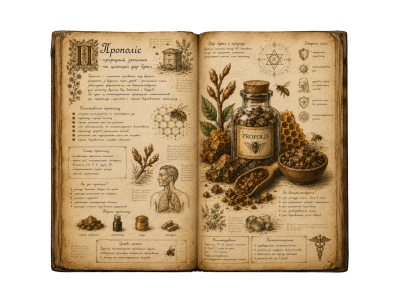
Propolis, whose benefits are confirmed both by a millennia-old folk tradition and by modern research, is one of the most versatile beekeeping products. Propolis is a resinous substance that bees collect from tree buds and mix with their own enzymes to protect the hive from pathogens. The medicinal properties of propolis include antibacterial, antiviral, antifungal, and immune-stimulating activity. What propolis treats and what makes propolis dangerous—we’ll sort it out honestly, without exaggeration.
Benefits of propolis – what it is
What is propolis in simple words
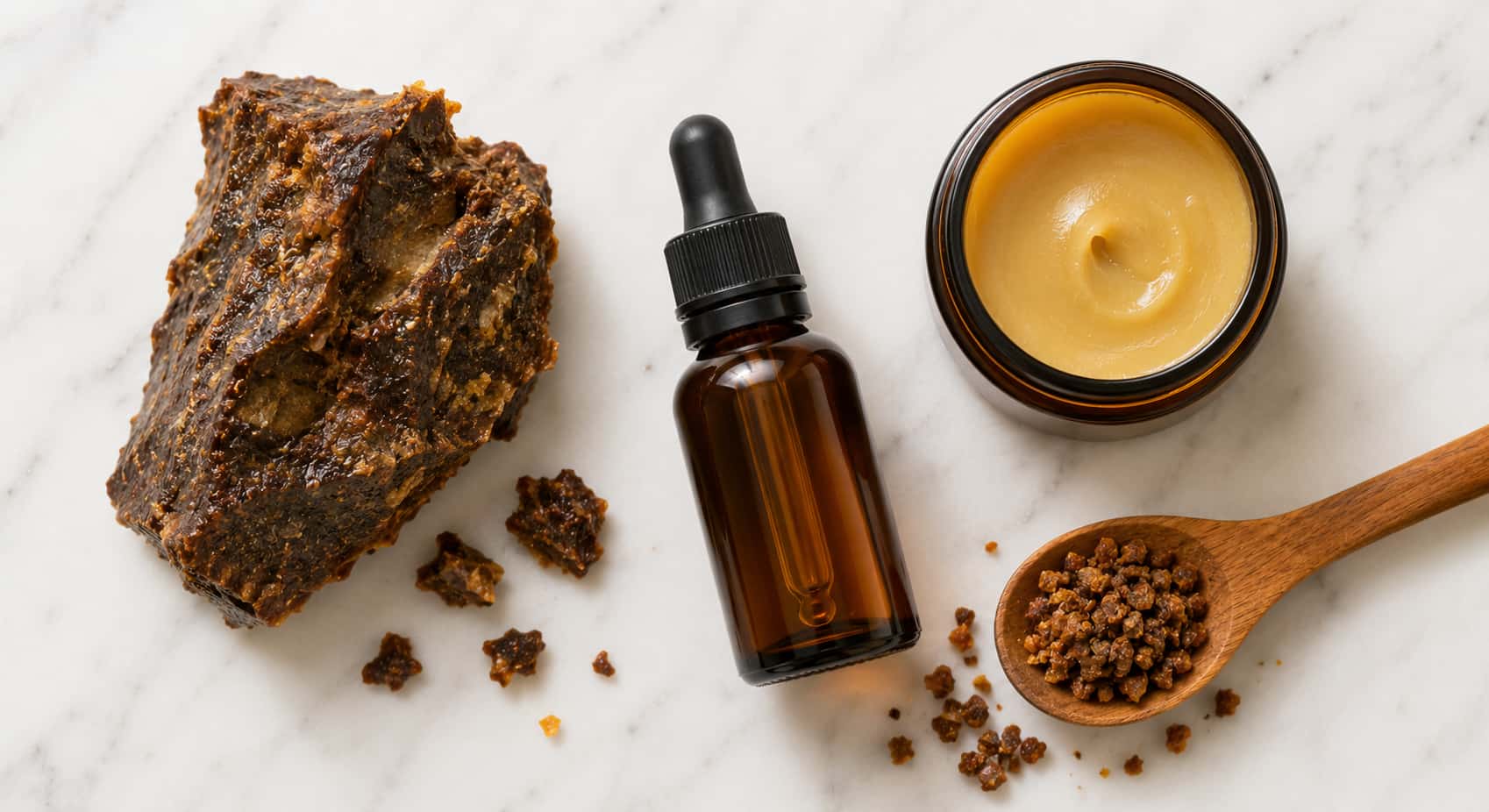
Bee propolis is a dark-brown or greenish resinous mass with a characteristic spicy smell. Bees collect resins from the buds of poplar, birch, chestnut, and other trees, mix them with beeswax and gland secretions, producing a natural “superglue” and antiseptic at the same time. They use it to seal cracks in the hive, coat combs, and mummify pests—so as not to allow pathogens to develop inside the colony.
Natural propolis contains more than 300 chemical compounds. Its composition varies depending on the geography of collection, season, and local flora—that is why propolis from different countries can differ in smell, color, and concentration of active substances.
How bees make propolis and how it differs from other bee products
Worker bees collect resins with their legs and carry them to the hive, where other individuals “finish it off”—adding wax (5–30%), enzymes, and pollen. Final product: 50–60% resins and balsams, 15–30% wax, 10–15% aromatic oils, 5% pollen.
Propolis vs honey: honey is primarily a carbohydrate product with antibacterial properties due to hydrogen peroxide and low pH. Propolis is a complex phytochemical complex with direct antimicrobial action of flavonoids. Propolis vs pollen: pollen is a protein-vitamin concentrate for feeding the colony. Propolis vs bee bread: bee bread is fermented pollen, a nutrient concentrate. Propolis is a protective, not a nutritional product. Each works on its own level; they are often combined in apitherapy.
Benefits of propolis – composition and properties
Flavonoids, antioxidants, vitamins, and minerals
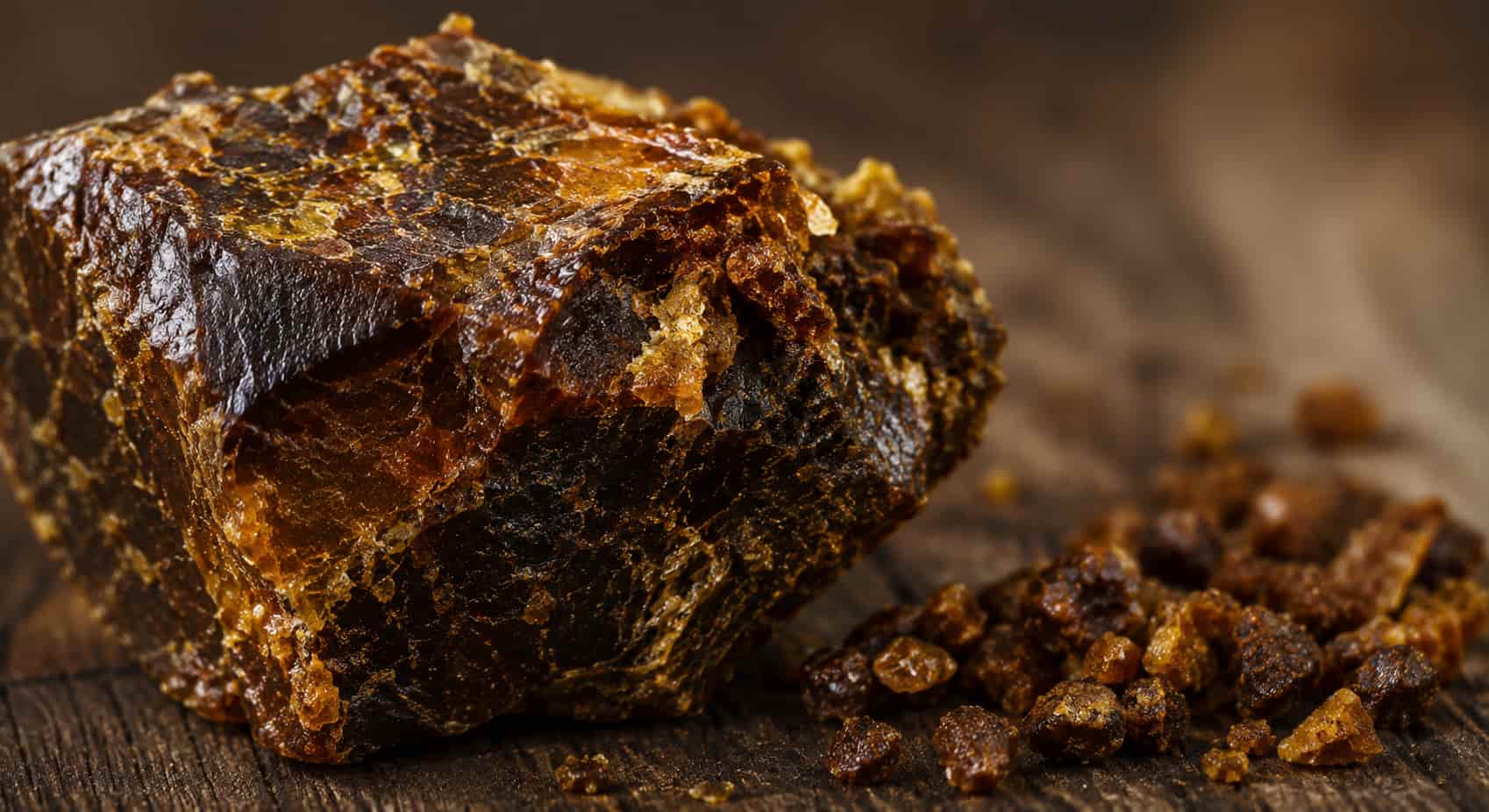
The composition of propolis includes: flavonoids (quercetin, kaempferol, apigenin, luteolin)—the main bioactive agents; phenolic acids (caffeic, ferulic, cinnamic); terpenes and terpenoids; vitamins A, C, E and B group; minerals: iron, zinc, manganese, copper, calcium, magnesium.
The antibacterial and anti-inflammatory properties of propolis are provided by several mechanisms: flavonoids suppress bacterial protein synthesis and destroy the cell wall of pathogens; caffeic acid inhibits COX-2 (the same enzyme targeted by ibuprofen); terpenes increase the permeability of microbial cell membranes. Propolis is active against Staphylococcus aureus, Streptococcus mutans, Candida albicans, Helicobacter pylori and a number of viruses—including influenza and herpes viruses.
Benefits of propolis – for the body
Strengthening immunity, protection against viruses and bacteria
Propolis for immunity works through activation of macrophages and NK cells. A 2021 study (Molecules) showed: propolis extract increased the production of interleukin-12 and interferon-γ—key cytokines of the antiviral immune response. Benefits of propolis for the body during seasonal infections: preventive intake of tincture in autumn reduces the frequency of ARVI by observational data by 1.5–2 times.
Propolis in the treatment of acute infections: the antibacterial effect is most pronounced when it contacts mucous membranes— in the throat, nose, oral cavity, intestines. Systemic effect when taken orally—through absorption of flavonoids into the blood. General strengthening of the body: regular intake in moderate doses reduces oxidative stress and supports antioxidant cellular defense.
Benefits of propolis – medicinal properties
For colds, ARVI, throat, cough, and digestion
Propolis for colds is one of the most common uses. Alcohol propolis tincture diluted in warm water coats the throat mucosa, inhibits the growth of pathogens, and reduces inflammation. Propolis for the throat: gargling with a solution (15–20 drops of tincture per 100 ml of water) 3–4 times a day for tonsillitis or pharyngitis—noticeable relief already after 1–2 days.
Propolis for cough: inhalations with a water extract or taking tincture internally reduce bronchial inflammation and facilitate sputum discharge. Use in gastrointestinal diseases: gastritis (especially with H. pylori), peptic ulcer disease, colitis, dysbiosis. Propolis with oil for the stomach is a folk recipe: mix 20–30 drops of tincture with a spoon of sea buckthorn or flaxseed oil, take 30 minutes before meals.
Propolis for pancreatitis is used in remission (not in the acute period!): water extract 1 tsp three times a day reduces inflammation of the pancreas—but only after consulting a gastroenterologist.
Benefits of propolis – for skin and external use
Wound healing, acne, and cosmetology
Propolis for the skin is one of the oldest uses. Ointment or cream with propolis is applied to cuts, scratches, cracks on lips and heels—flavonoids accelerate fibroblast proliferation and collagen synthesis, terpenes create an antiseptic environment. Healing speed, according to a number of studies, increases by 30–40% compared to placebo.
Propolis for acne: antibacterial action against P. acnes, reduced inflammation, and regulation of sebaceous glands. It is applied spot-wise in the form of diluted tincture or a special gel. The effect is noticeable after 2–3 weeks of regular use.
Use in cosmetology: propolis is included in creams for mature skin (antioxidant effect), toothpastes (antibacterial effect for gingivitis), lip balms, anti-dandruff shampoos.
Benefits of propolis – for women and men
Women’s health, hormonal balance, and benefits for men
How propolis is beneficial for women: gynecological use—antifungal action for thrush (vaginal suppositories or douching with water extract), support in chronic inflammatory diseases of the pelvic organs as an adjunct. Effect on hormonal balance: propolis flavonoids have mild phytoestrogenic activity—in some cases they help with PMS and menopausal symptoms.
Benefits of propolis for men: prostate support (anti-inflammatory effect in chronic prostatitis), antioxidant protection of sperm, immune support. A 2019 study (Andrologia) showed improved semen parameters in men with chronic prostatitis after 3 months of taking propolis extract.
Benefits of propolis – forms and types
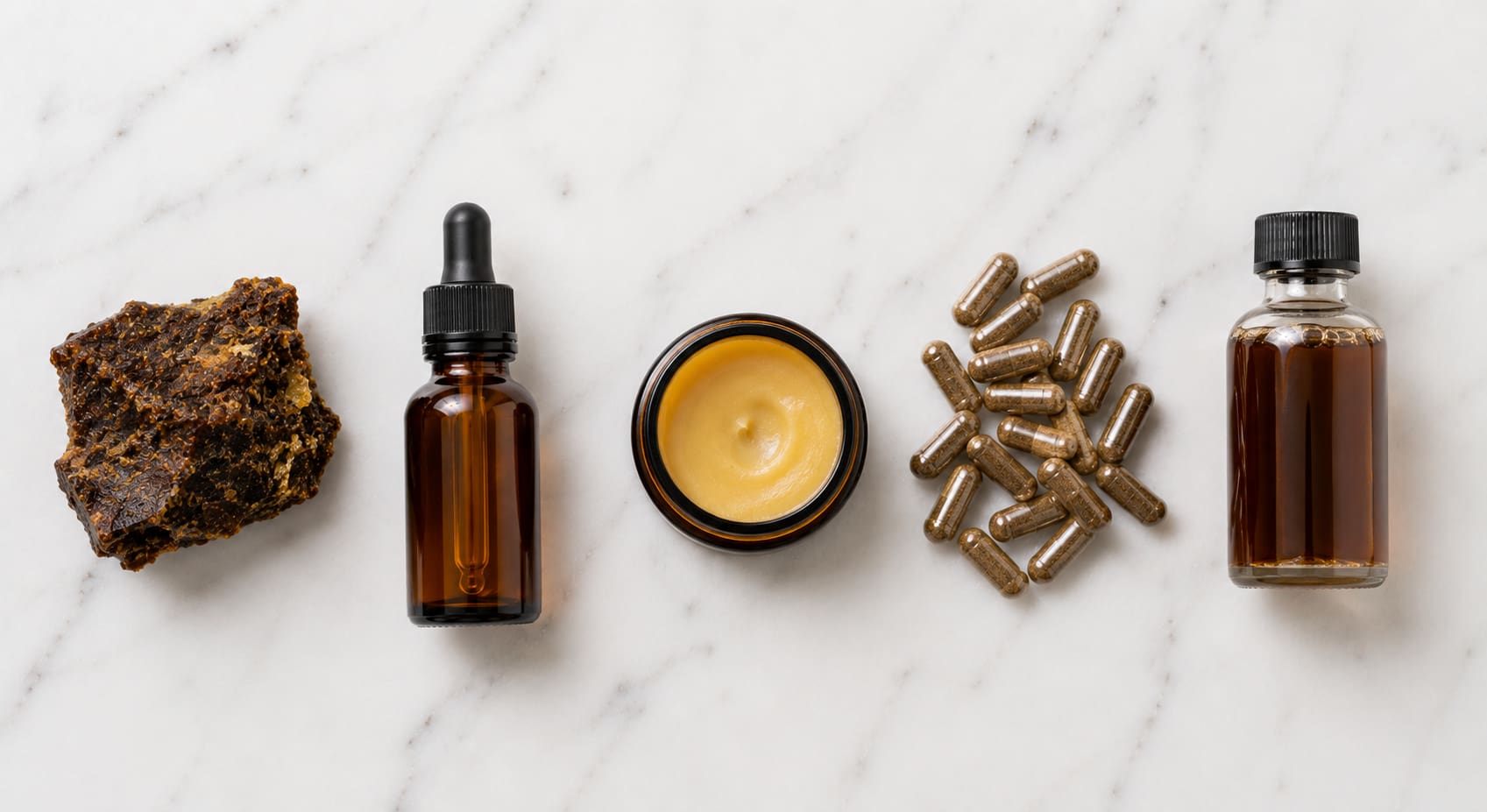
Tincture, ointment, capsules, and pure propolis
| Form | Best for | Features |
|---|---|---|
| Propolis tincture (alcohol) | Throat, colds, GI tract, spot treatment on skin | 10–20% solution, dilute before use |
| Water extract | Children, GI tract, inhalations | Alcohol-free, lower concentration |
| Ointment/cream with propolis | Skin, wounds, joints externally | 5–30% propolis in a base |
| Capsules/tablets | Systemic effect, convenience | Standardized extract |
| Pure propolis | Chewing, home recipes | Bitter taste, hard piece |
Benefits of propolis – how to take it correctly
Dosage, propolis tincture, and course duration
How to take propolis depends on the goal. Propolis tincture for prevention: 20 drops per 50 ml of warm water or milk 30 minutes before meals, 1–2 times a day. For treating acute infections: 30–40 drops 3 times a day.
Recommended dosage of pure propolis orally: 1–3 g per day (a piece the size of a pea), chew slowly. Course duration: for prevention—3–4 weeks during the cold season with breaks. For treatment—depending on the course of the disease, no longer than 1 month without a break.
Benefits of propolis – methods of use
Internal use, gargling, inhalations, and external use
Internal use: tincture in water or milk, water extract, capsules. Milk softens the harshness of alcohol and masks bitterness—ideal for evening intake during a cold.
Gargling: 15–20 drops of 10% tincture per 100 ml of warm water—gargle 3–4 times a day for tonsillitis, pharyngitis, stomatitis, gingivitis.
Inhalations: water extract of propolis is added to an inhaler or nebulizer (only special pharmacy solutions, not alcohol tincture) for bronchitis and laryngitis.
External use: compresses with ointment for joint and muscle pain, spot application of tincture for herpes and pimples, rinsing the mouth for toothache before visiting the dentist, instilling diluted tincture into the nose for sinusitis (caution—it can sting).
Benefits of propolis – side effects
Allergic reactions, adverse effects, and overdose
Side effects of propolis occur in 1–6% of people. The main risk is allergy. Allergy to propolis can manifest as contact dermatitis with external use, hives, or swelling with internal use. Cross-reactions: people allergic to honey, pollen, bee venom, conifer resins are at risk. Test before use: apply a drop of diluted tincture to the wrist, wait 30 minutes.
What makes propolis dangerous besides allergy: irritation of mucous membranes when using undiluted alcohol tincture, impaired blood clotting (flavonoids slightly thin the blood), possible liver dysfunction with prolonged intake of high doses of alcohol tincture. Overdose: with a significant excess of the dose—nausea, vomiting, loose stools, headache.
Benefits of propolis – contraindications

Who should not use it, pregnancy, and drug interactions
Contraindications of propolis: allergy to bee products (honey, wax, bee venom, pollen), acute liver and kidney diseases (alcohol tincture burdens them), acute pancreatitis and exacerbation of peptic ulcer disease.
Pregnancy and children: for pregnant women—only as prescribed by a doctor; for children under 3 years—not recommended due to allergy risk; for children 3–12 years—only water extract in reduced doses after consulting a pediatrician.
Drug interactions: propolis enhances the effect of anticoagulants (warfarin, aspirin), may reduce the effectiveness of some antibiotics, interacts with immunosuppressants. Interval between taking propolis and medications—at least 1–2 hours.
Benefits of propolis – how to choose a quality product
Signs of natural propolis, quality testing, and storage
Signs of natural propolis: dark brown or green-brown color, hard at room temperature (softens in the hands), rich resinous smell with notes of vanilla or pine, bitter taste with a slight burning sensation.
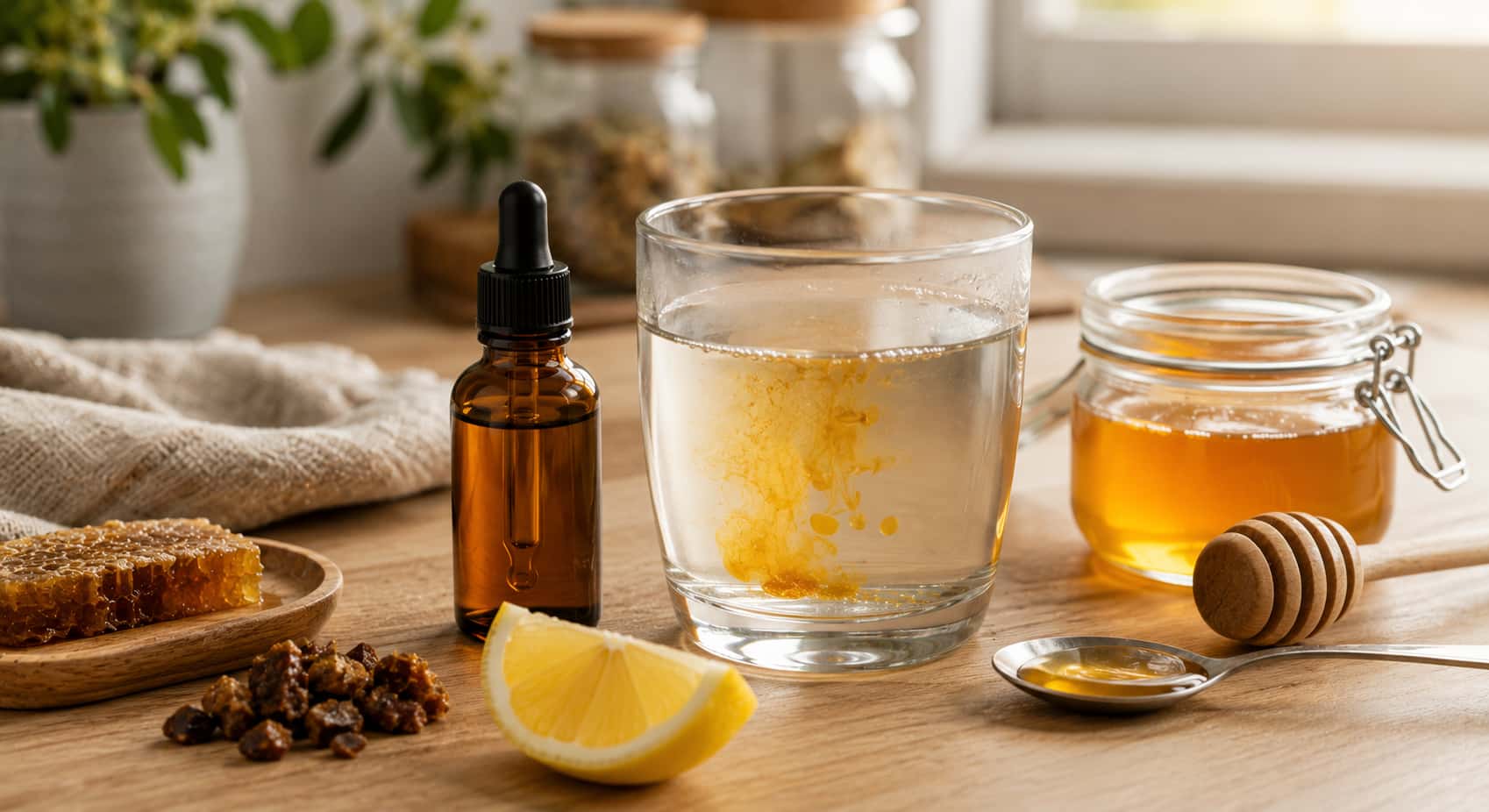
How to check the quality of tincture: a quality tincture, when diluted in water, gives a milky-white cloudiness (flavonoids dissolve poorly in water). If the solution remains clear, the tincture is weak or diluted.
Storage conditions: pure propolis—in a dark dry place at room temperature up to 5 years. Alcohol tincture—up to 5 years in a dark place. Water extract—in the refrigerator no more than 1 year. When buying, look at: the percentage of propolis content (for tincture—10–20%), presence of a quality certificate, production date.
Benefits of propolis – comparison with other products
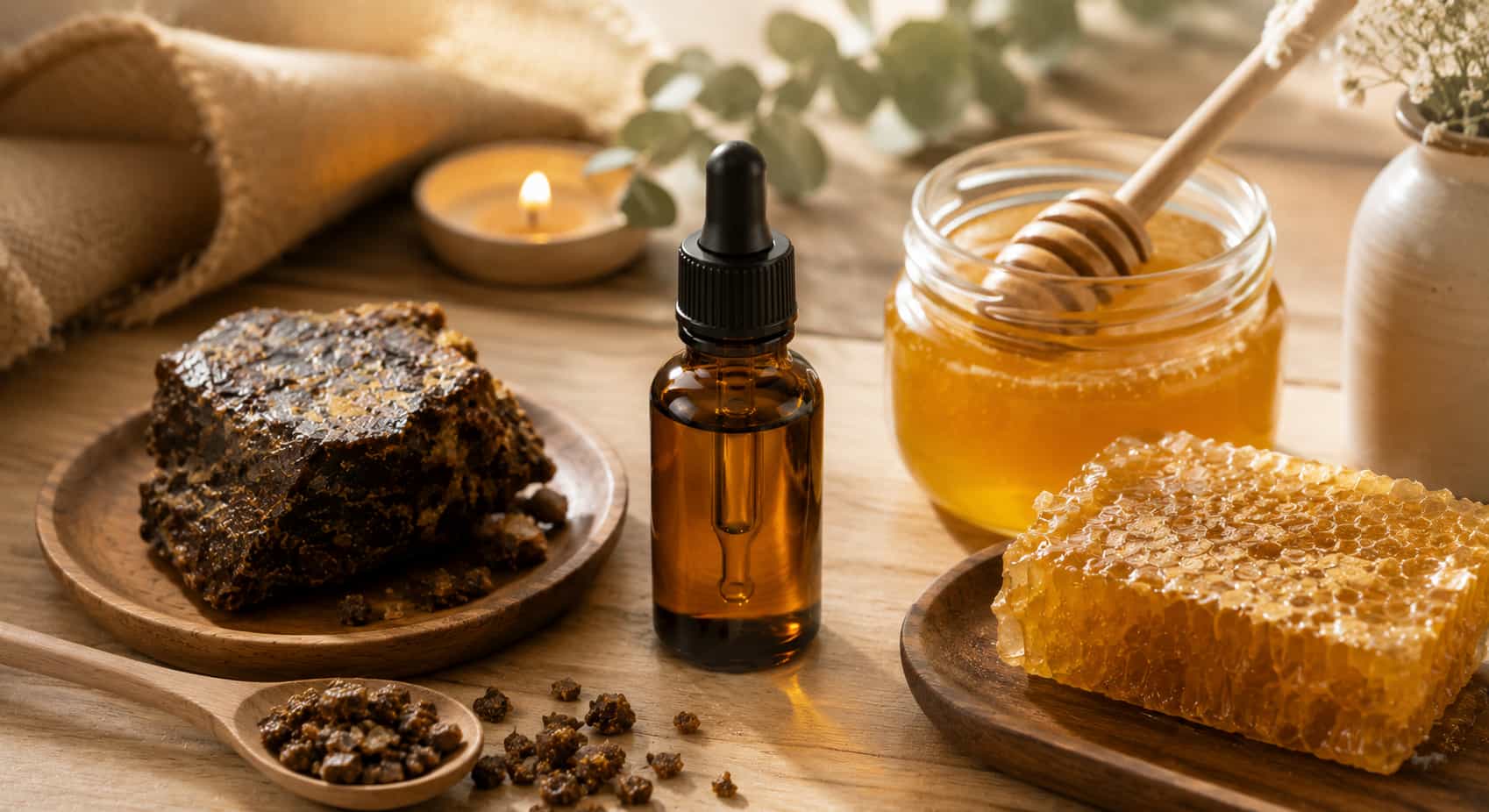
Propolis vs honey, pollen, and bee bread
Propolis vs honey: honey is sweet, high-calorie, mainly antimicrobial action. Propolis is bitter, non-caloric, with direct antibacterial and antiviral action of flavonoids. For throat infections, propolis is more effective as a standalone remedy; together they provide synergy.
Propolis vs pollen: different tasks. Pollen nourishes and fills deficiencies, propolis protects and treats. Propolis vs bee bread: bee bread is “fermented pollen” with higher bioavailability of nutrients. Propolis is a pharmacologically active product. Optimal комплексна apitherapy: propolis + bee bread + honey + royal jelly—each element at its own level.
Benefits of propolis – pros and cons
Advantages, disadvantages, and who it suits best
Advantages:
- Broad spectrum of antimicrobial action (bacteria, viruses, fungi).
- Well-studied composition and a documented immune-stimulating effect.
- Availability and low price.
- Several forms of use (internal, external, gargling, inhalations).
- Combines well with other bee products and natural remedies.
Disadvantages:
- Allergenic potential (up to 6% of people).
- Specific bitter taste and smell.
- Non-standardized composition of different batches.
- Alcohol tincture is not suitable for children and people with liver disease.
- Limited base of large clinical trials.
Who it suits best: people with frequent ARVI and weakened immunity, with chronic inflammation of the oral cavity and throat, with skin inflammation and slow-healing wounds, with chronic prostatitis in men, with gynecological inflammations in women (as an adjunct).
Benefits of propolis – tips for use
How to increase effectiveness, what to combine with, and common mistakes
How to increase effectiveness: when taken internally—30 minutes before meals, in warm water or milk. When gargling—do not eat or drink for 30 minutes after. For external use—keep the compress for at least 1–2 hours.
What to combine with: with honey—during colds and throat infections (synergy); with sea buckthorn oil—for gastrointestinal diseases; with tea tree and eucalyptus essential oils—for skin problems; with vitamin C—to enhance the immune response.
Common mistakes: applying undiluted tincture to mucous membranes—burn; not doing an allergy test before first use; expecting an instant effect (real results in 3–7 days); taking without breaks longer than 1 month; buying cheap tincture with minimal propolis content; using during exacerbation of peptic ulcer disease—worsens symptoms.
Benefits of propolis – FAQ
What is propolis good for and can it be taken daily
Benefits and harms of propolis—summary answer: the benefits are real and well documented for infections, skin problems, gastrointestinal inflammations, and as an immune modulator. Harm—if allergic, with improper use, and overdose. The properties of propolis work better with course intake (3–4 weeks) rather than one-time use.
Can propolis be taken daily: yes, but in courses. Optimal scheme: 3–4 weeks of intake, 1–2 weeks break. Without breaks longer than 6–8 weeks is not recommended.
How to use tincture correctly and is propolis safe for children
How to take propolis tincture correctly: always dilute—10–40 drops per 50–100 ml of warm liquid. Never apply undiluted to mucous membranes. Store in a dark cool place.
Is propolis safe for children: for children from 3 years—only water extract, not alcohol tincture, at a dose of 1/3–1/2 of the adult dose. Under 3 years—only as prescribed by a doctor. With any signs of allergy in a child—stop immediately.
Sources
- Sforcin J.M. Biological properties and therapeutic applications of propolis. Phytotherapy Research, 2016.
- Bankova V. et al. Propolis: A review of its chemical composition and antimicrobial activity. Evidence-Based Complementary Medicine, 2000.
- Pasupuleti V.R. et al. Honey, propolis and royal jelly: A comprehensive review. Nutrients, 2017.
- Cuesta-Rubio O. et al. Antimicrobial activity of propolis extracts. Journal of Ethnopharmacology, 2020.
If you need help choosing quality propolis or propolis-based products, Lavka Molfara offers verified products from reliable suppliers.



-400x300.png)
Write a comment