
 Delivery and payment







-100x100.png)
-100x100.png)
















































- Spirulina — what it is – What spirulina is in simple words – Origin and how it is obtained – Why spirulina is considered a superfood
- Composition and nutritional value – Vitamins and minerals in the composition – Protein and amino acid content – Antioxidants and active substances
- Spirulina — health benefits – Immune system support – Increased energy and endurance – Antioxidant action and detox effect
- How it affects the body – Benefits for the heart and cholesterol – Effect on blood sugar levels – Spirulina for weight loss
- Benefits for skin and hair – Effect on skin condition – Anti-aging properties – Hair strengthening and growth
- Forms and ways of consumption – Powder, tablets, or capsules – How to add it to your diet – Popular recipes and smoothies
- Spirulina — how to take it correctly – Recommended dosage – When it’s best to take it – Tips for beginners
- Side effects of spirulina and contraindications – Possible side reactions – Who shouldn’t take it – Interactions with medications
- Product quality and safety – How to choose quality spirulina – Organic vs regular – Risks of product contamination
- Comparison with other supplements – Spirulina vs chlorella – Spirulina vs protein powder – Spirulina vs multivitamins
- Pros and cons – Main advantages – Drawbacks and limitations – Who it suits best
- Who spirulina suits best – Athletes and active people – Vegans and vegetarians – People with nutrient deficiencies
- Tips for better results – How to improve absorption – What to combine it with – Typical mistakes
- FAQ: answers to common questions – Can you take spirulina every day – How soon will you see results – Does spirulina help with weight loss – Which form of spirulina is better
- Sources and expert studies
.jpg)
Spirulina is one of the oldest life forms on Earth—today people drink it in smoothies, add it to porridge, and buy it as bright green tablets. The benefits of spirulina are discussed by dietitians, vegan bloggers, and athletes looking for an alternative to synthetic vitamins. Spirulina really does have unusual properties: one tablespoon of powder contains more protein than a steak of the same weight, and its iron content surpasses spinach several times over.
Sounds like an advertising flyer. So next—without pathos.
Let’s figure it out: what this product is, who it helps, who it harms, and how to take spirulina to get results—not just a green aftertaste in your mouth. We’ll break down the composition, real studies, contraindications, release forms, typical beginner mistakes, and answers to questions that for some reason rarely appear in manufacturers’ promotional materials.
Spirulina — what it is
What spirulina is in simple words
.jpg)
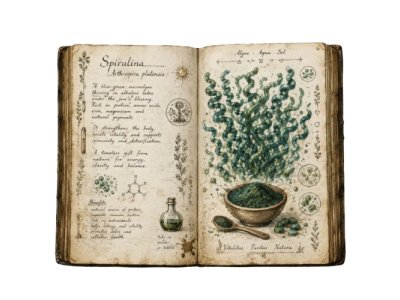
In short, spirulina is a blue-green alga—more precisely, a cyanobacterium—that is dried and ground into powder. The name comes from the Latin spira—a twisted spiral. Under a microscope, its cells look like tiny green springs twisted into several coils.
What is spirulina for an average person? It’s a natural dietary supplement that supplies the body with protein, iron, beta-carotene, B vitamins, and a pigment called phycocyanin. It’s taken as a vitamin complex, as a partial substitute for meat in a vegan diet, as a recovery aid after workouts, and simply as a way to “cover” deficiencies when the diet is far from ideal.
A bit of irony: cyanobacteria appeared on Earth more than 3.5 billion years ago. They started the process of photosynthesis and enriched the planet’s atmosphere with oxygen. So, in fact, we breathe thanks to distant relatives of the same spirulina that we now sprinkle into smoothies. Not magic—just a classic case where evolution already did all the work for us.
Spirulina is not a “magical superfood,” as is sometimes written. It’s concentrated food with a high density of nutrients. Back in 1974, the WHO called it one of the most promising products for combating malnutrition—precisely because of this profile. Around the same time, it began to be used in UN humanitarian programs as a simple and inexpensive supplement for regions with widespread protein and iron deficiencies.
Origin and how it is obtained

Spirulina grows in warm alkaline waters. Wild populations live in salty African lakes (Lake Chad, Lake Nakuru in Kenya); in Mexico, for centuries it was harvested by peoples living around Lake Texcoco—pressed green cakes called tecuitlatl were sold at markets. Spanish conquistadors described it as “slime that the Aztecs dry in the sun and eat with corn.”
The Kanembu tribes in Chad still harvest wild spirulina from salty lakes today. They call it dihé, dry it on sandy shores, and use it as a seasoning or an ingredient in sauces for millet porridge. One of the rare cases where traditional gastronomy coincided with what modern nutrition science later discovered.
Today, almost all spirulina on the market is grown industrially—in special open ponds or photobioreactors. The largest producers: China, India, the USA (Hawaii), Thailand, and several farms in Europe. The technology is as follows: they cultivate strains of Arthrospira platensis or Arthrospira maxima in water with the required pH (usually 9.5–11), feed them minerals, stir regularly, then harvest, filter, dry at low temperature to preserve pigments and vitamins, and press into tablets or package as powder.
High-quality raw material is that which has undergone spray drying without overheating and has not been exposed to open air longer than necessary. This affects the color (it should be dark green-blue, not pale) and the smell—slightly reminiscent of dried seaweed with a hint of fresh hay. If the smell is sharp, fishy, or “musty,” the product was most likely stored incorrectly or dried at too high temperatures.
Hawaiian and Taiwanese farms are considered the gold standard of quality precisely because of their control over water purity: the ponds are closed off from birds and surrounding cyanobacteria, which reduces the risk of toxins from “wild neighbors” getting in.
Why spirulina is considered a superfood
The very term “superfood” is more marketing than science. But if you look at the numbers, it becomes clear why it gets labeled that way. In 1 gram of dried spirulina there are about 0.6–0.7 g of pure protein with a complete set of essential amino acids. That’s more than in beef (about 0.26 g of protein per gram of dry mass).
NASA considered spirulina back in the 1980s as a candidate for long-term space missions—it takes up little space, grows quickly, and delivers maximum nutrition per unit volume. ESA came to similar conclusions. Not because it’s a “miracle,” but because from the standpoint of the ratio “nutrition / mass / production speed,” nothing better has been found yet.
The only question is dosage. A spoonful of spirulina a day is 3–5 grams. That means it provides only a little protein—about 2–3 g. As a replacement for meat in the diet—it won’t work. As a concentrate of pigments, iron, and beta-carotene—absolutely.
Composition and nutritional value
Vitamins and minerals in the composition
Spirulina has a very dense composition. Per 10 grams of dried algae (average values may vary depending on the strain and growing conditions):
| Component | Amount per 10 g | % of adult daily value |
|---|---|---|
| Protein | 5.5–7 g | 10–14% |
| Iron | 2.8–8 mg | 16–45% |
| Magnesium | 19.5 mg | 5% |
| Potassium | 137 mg | 4% |
| Calcium | 12 mg | 1% |
| Thiamine (B1) | 0.24 mg | 20% |
| Riboflavin (B2) | 0.37 mg | 28% |
| Niacin (B3) | 1.3 mg | 8% |
| Beta-carotene | 23,000 IU | high concentration |
| Vitamin K | 2.56 µg | 3% |
.jpg)
This is not the full list—spirulina also contains copper, manganese, selenium, and zinc in microdoses. Pay attention to iron: it is absorbed worse than heme iron from meat, but better than iron from spinach or legumes. A 2015 study in the Journal of the American College of Nutrition showed that in women with mild anemia, ferritin levels increased noticeably after 12 weeks of taking 1 g of spirulina per day.
Vitamin B12 is interesting. Spirulina seems to contain it, but mostly in the form of pseudo-B12 (cobamamide), which is biologically inactive for humans. Therefore, vegans should not rely on spirulina as a source of B12—this is a separate deficiency that needs to be covered with specialized supplements.
Protein and amino acid content
.jpg)
Protein is this algae’s main point of pride: 60–70% of dry mass. For comparison: beef provides about 26%, tofu 8%, lentils 9% when cooked. Spirulina contains protein in concentrated form.
More important than the percentage is the composition. Spirulina contains all nine essential amino acids: leucine, isoleucine, valine, lysine, methionine, phenylalanine, threonine, tryptophan, and histidine. This makes it a complete source of protein, on par with animal sources. Among plant analogs, only soy, quinoa, and hemp can really boast similar completeness.
A separate nuance is phenylalanine. People with phenylketonuria (a genetic disorder, PKU) cannot metabolize this amino acid. For them, spirulina is strictly contraindicated.
Protein digestibility from dried spirulina reaches 75–83%, according to FAO studies. This is less than eggs (97%) but higher than legumes (about 70%). If you take it without heat treatment, absorption will be higher.
Antioxidants and active substances
Spirulina contains antioxidants in three main groups: phycocyanin, beta-carotene, and tocopherols (vitamin E). Thanks to these components, spirulina has anti-inflammatory, hepatoprotective, and immunomodulating properties at the same time.
Phycocyanin is the blue pigment that gives spirulina its characteristic shade. It makes up about 10–20% of the dry mass. It suppresses inflammatory processes, neutralizes free radicals, and partially acts as a hepatoprotector. In 2016, a study in the Journal of Medicinal Food showed that supplements with phycocyanin reduced markers of oxidative stress in participants by 27% over eight weeks.
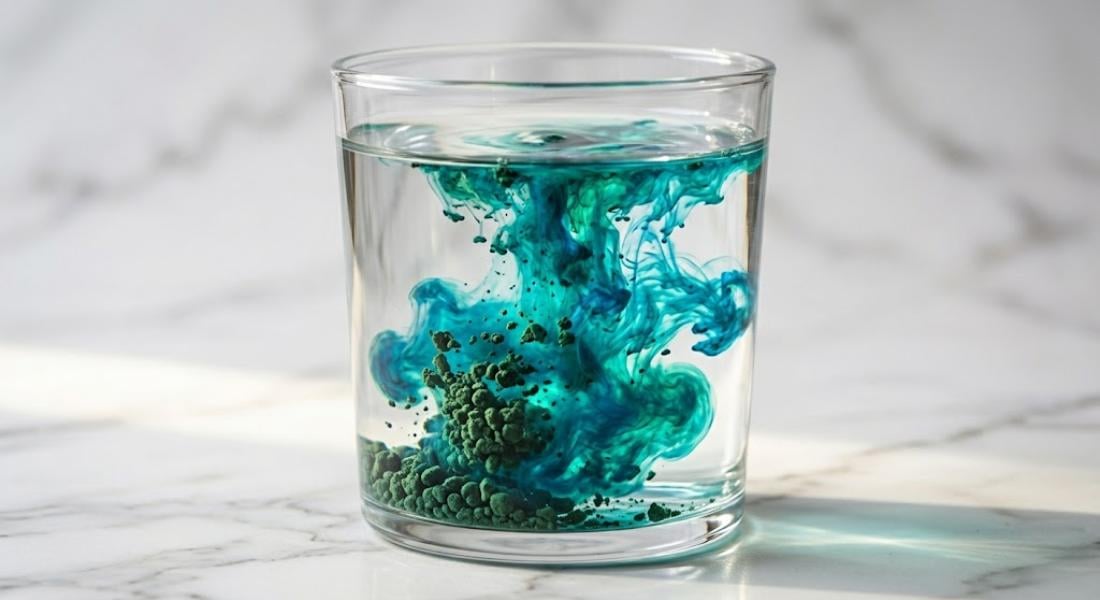
By the way about phycocyanin: it is structurally similar to bilirubin, a natural antioxidant in the human body. This may explain why its effects are more pronounced than those of other plant antioxidants at the same doses. Some researchers even call phycocyanin a “selective COX-2 inhibitor”—by its mechanism of action it resembles popular anti-inflammatory drugs, but without the typical stomach side effects.
Beta-carotene in spirulina is more concentrated than in carrots—about 10 times higher per unit mass. It is a precursor of vitamin A, needed for vision, skin, and immune response. The advantage of “natural” beta-carotene over synthetic is that the body takes as much as it needs and does not accumulate the excess. Vitamin A hypervitaminosis from spirulina is practically impossible.
Also: GLA, gamma-linolenic acid. This is an omega-6 fatty acid with anti-inflammatory action. Spirulina contains about 1% by weight. Not critically much, but it is one of the few accessible plant sources. Besides spirulina, GLA is found mainly in evening primrose oil and borage—both cost several times more.
Spirulina — health benefits
Immune system support
Spirulina supports immunity through several mechanisms at once. First, through phycocyanin—it stimulates the formation of white blood cells and regulates NK cell (natural killer) activity. Second, through a high content of beta-carotene, which supports the integrity of mucous membranes—the first line of defense against infections.
A 2008 study published in Mediators of Inflammation recorded increased activity of immune cells in older adults after 12 weeks of taking 8 g of spirulina per day. Another study conducted in Korea showed a reduction in the frequency of ARVI among office workers in the autumn-winter season.
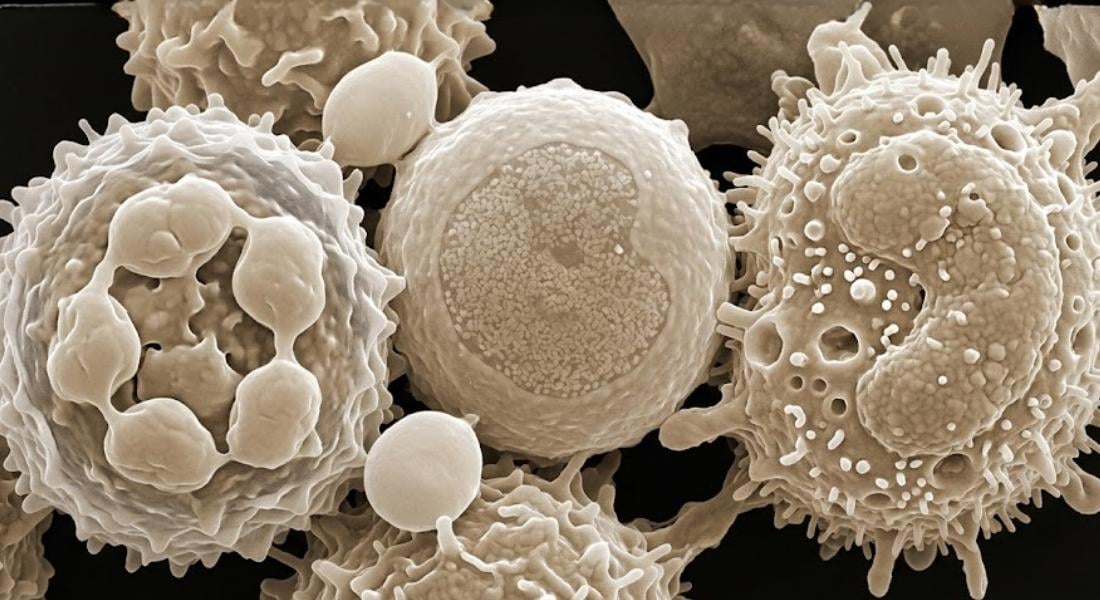
Dr. Carlos Selmi from the Autoimmunity Laboratory at the Humanitas Institute (Milan, Italy), who has studied the effects of dietary nutrients on immunity for decades, expressed cautious optimism in his 2011 review: spirulina shows a noticeable modulating effect on the immune response—but modulating, not “boosting.” Its role is rather to bring immunity back into balance than to crank it up to the maximum.
Note: strengthening the immune response is not always good. For people with autoimmune diseases—lupus, multiple sclerosis, rheumatoid arthritis—spirulina can be harmful precisely because it additionally “revvs up” the immune system. In such cases, a doctor’s consultation is needed.
A separate group that may benefit the most from spirulina’s immunomodulating action: adults with recurrent ARVI and people with exhausted immunity after prolonged stress. In these cases, a 4–8 week course in autumn (right before cold season) can reduce the frequency of illness by 30–40%, according to some observations.
Increased energy and endurance
Another reason spirulina is popular is among athletes and people with chronic fatigue. Here iron works (raises hemoglobin levels and thus oxygen delivery to muscles), B vitamins (glucose metabolism), and that same phycocyanin, which reduces muscle damage after exertion.
In 2010, a study on runners was published in Medicine and Science in Sports and Exercise: those who took 6 g of spirulina per day for four weeks before an endurance test ran 30% longer until exhaustion than the control group. This is one of the most cited studies on spirulina and sports.

The same study recorded another important thing—a 27% decrease in malondialdehyde, a marker of oxidative cell damage. Muscles not only endured longer but also “broke down” less in the process. This explains why some coaches include spirulina in preparation for marathons and triathlons.
Greece, by the way, has a disproportionately large number of spirulina studies—not by accident. One of Europe’s largest producer farms operates there, and the University of Athens has a dedicated lab studying its effects in humans. So Greek scientists are one of the main sources of high-quality data on this topic.
What does this mean in practice? If you train regularly and feel you recover slowly, spirulina as a supplement can have a noticeable effect. Not instantly—after 3–6 weeks of consistent use. In people with chronic fatigue (without diagnosed illnesses), the effect comes later—6–10 weeks—but sometimes very pronounced.
Antioxidant action and detox effect
Spirulina detox is the case where the word “detox” is not entirely marketing nonsense. We’re not talking about “removing toxins” the way slimming tea ads portray it, but about a specific mechanism: chlorophyll and phycocyanin bind heavy metals in the intestines and remove them with feces.
The best documented is arsenic removal. In 2006 in Bangladesh, where drinking water is contaminated with arsenic, a study involving 41 people with chronic arsenic poisoning was conducted. Taking 250 mg of spirulina extract twice daily for 16 weeks reduced arsenic levels in participants’ hair by 47%.
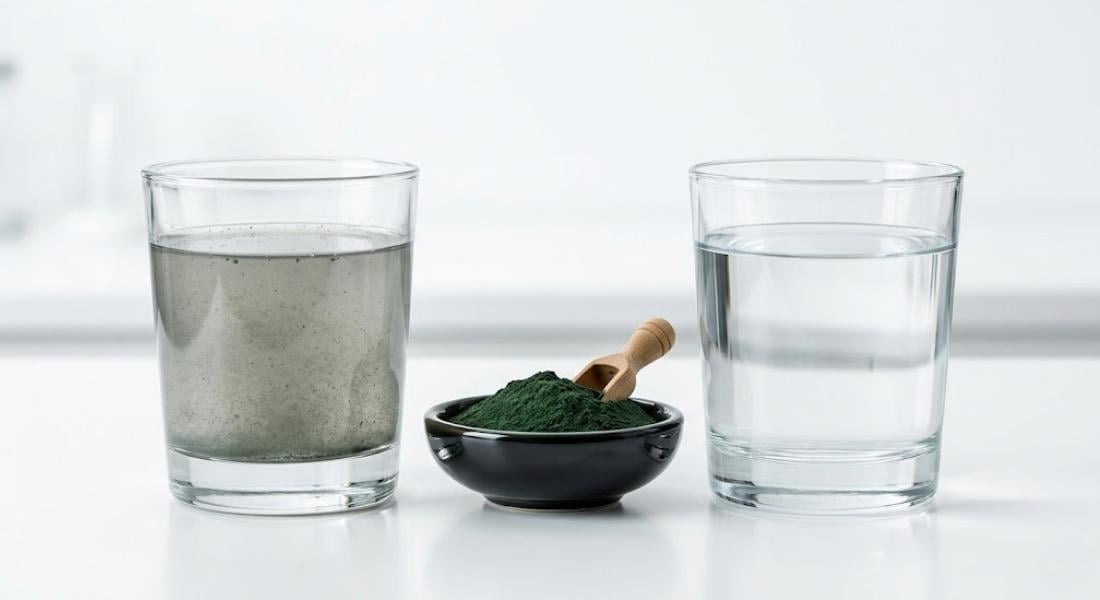
This does not mean spirulina “cleans the body of everything.” It means that in specific cases of heavy metal intoxication it can help. As prevention, it makes sense for people who live in industrial regions or drink water of questionable quality.
How it affects the body
Benefits for the heart and cholesterol
The cardiovascular topic is one of the most studied for spirulina. A 2016 meta-analysis in Clinical Nutrition compiled results from seven separate clinical trials. Conclusion: taking 1–8 g of spirulina per day for 2 to 12 weeks reduced total cholesterol on average by 46 mg/dl, “bad” cholesterol (LDL) by 41 mg/dl, triglycerides by 44 mg/dl. At the same time, “good” cholesterol (HDL) increased slightly.
The numbers are impressive. They are comparable to the effect of some over-the-counter remedies. The mechanism is associated with phycocyanin (reduces LDL oxidation), GLA (regulates lipid metabolism), and fiber from the algae’s cell walls.
There is another effect that is rarely emphasized—impact on endothelial function, the condition of the inner layer of blood vessels. An Iranian study from 2013 showed that 1 g of spirulina per day for 12 weeks improved flow-mediated vasodilation—simply put, blood vessels became more “elastic” and responded better to blood flow demands. This matters for prevention of atherosclerosis and hypertension.
Spirulina also slightly lowers blood pressure—on average by 4–5 mmHg systolic and 3 mmHg diastolic. Not much. But as an adjunct to primary therapy in people with moderate hypertension, it makes sense. The effect is especially noticeable in those whose pressure is not critically elevated (130–140/85–90 mmHg)—spirulina can bring these values back to normal without additional medications.
Data on thrombosis. GLA in spirulina, together with phycocyanin, mildly reduces platelet aggregation—doing something like a very, very light “natural aspirin.” For people at risk of cardiovascular events, that’s a plus. For those already taking anticoagulants, it’s a minus. See the section on interactions with medications.
Effect on blood sugar levels
There are noticeable results here too. A 2013 study in patients with type 2 diabetes showed that 2 g of spirulina per day for two months reduced HbA1c (average blood sugar over 2–3 months) by about 1%. That’s a lot—such an effect is hard to achieve with diet alone.
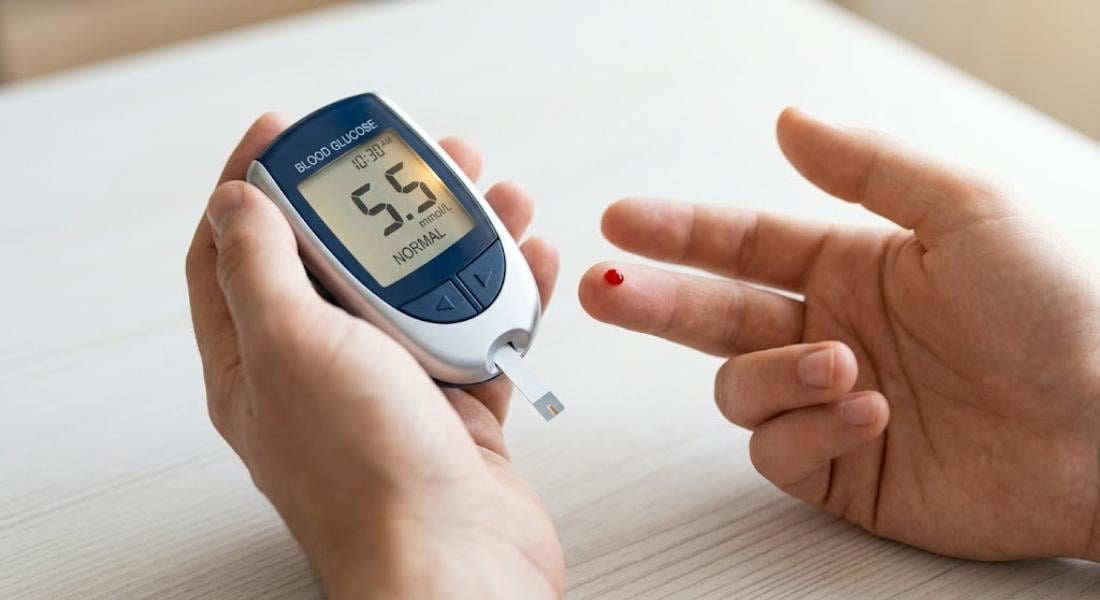
How does it work? Spirulina slows glucose absorption in the intestines, increases tissue sensitivity to insulin, and reduces inflammatory markers that usually accompany insulin resistance.
An important warning for those taking glucose-lowering medications: spirulina can enhance their effect. If you’re on metformin—or especially insulin—do not start taking it without consulting an endocrinologist. Otherwise, there is a risk of hypoglycemia.
Spirulina for weight loss
How to take spirulina for weight loss is a question many ask. The concise answer: spirulina is not a fat burner. It does not “force the body to burn fat.” But it can help weight loss indirectly.
Spirulina for weight loss works mainly through two mechanisms. The first is appetite reduction. The high concentration of protein provides a long-lasting feeling of fullness, especially if you drink it 30 minutes before a main meal (1–2 g dissolved in water). The second is replacing less healthy high-calorie foods in the diet.
In 2016, an Indian study involving people with obesity and high blood pressure showed: 2 g of spirulina per day for 12 weeks led to an average weight loss of about 1.4 kg and a noticeable reduction in waist circumference. Not “minus 10 in a month,” but steady.
It works together with an adequate calorie deficit and movement. Taking the algae alone and expecting your weight to drop is pointless.
Benefits for skin and hair
Effect on skin condition
Spirulina for skin is used both as an internal supplement and as an ingredient in masks externally. Internally—through beta-carotene and GLA. The first is needed for skin cell regeneration; the second reduces inflammatory skin conditions such as acne, eczema, and rosacea.
A dermatologist from Tel Aviv, Lia Sherman, published observational results in 2017 on patients with moderate acne: 75% of them noted a reduction in breakouts after three months of taking 3 g of spirulina per day in parallel with topical treatment. This is not evidence-based medicine on the level of an RCT, but it’s a decent clinical note.
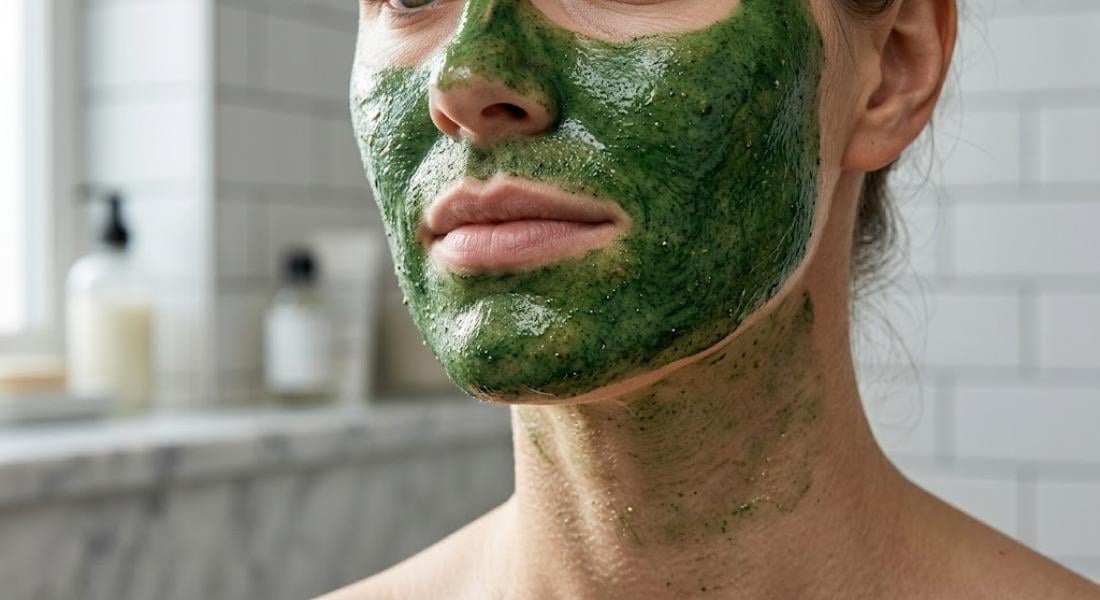
Externally—masks with spirulina powder and honey, yogurt, or aloe. They reduce oiliness, refresh complexion, and briefly tighten pores. Keep for 10–15 minutes, not longer—otherwise the skin dries out. The effect is cumulative, not immediate: noticeable after 4–6 applications.
Anti-aging properties
Skin aging is largely associated with oxidative stress—cell damage by free radicals. Spirulina’s antioxidant properties counteract this process. It’s not “eternal youth,” of course, but photoaging (sun wrinkles, pigment spots) slows down.
Prevention works more than restoration here. If someone has been taking spirulina for years, their skin will most likely look younger than their peers. If you start at 50—the effect will be there, but weaker. No illusions.
Telomeres are another important topic when talking about biological age. These are “protective caps” at the ends of chromosomes, whose length is directly related to the rate of aging. A 2018 cell culture study showed that phycocyanin slows telomere shortening under oxidative stress. There are still few such studies in humans, but the direction is very promising.
Spirulina itself does not contain collagen (it’s an animal-derived protein), but it stimulates collagen synthesis indirectly—through supporting hydration, anti-inflammatory action, and supplying amino acids. Lysine and proline, needed to build collagen fibers, are present in spirulina in good amounts.
If compared to popular “anti-age” supplements like resveratrol, coenzyme Q10, or astaxanthin, spirulina doesn’t set records for the concentration of individual compounds, but it provides a much broader spectrum of components for the same price.
Hair strengthening and growth
Spirulina for hair is also used mainly due to systemic effects. Protein, zinc, copper, and iron are all building materials for the hair follicle. Deficiency of any of these is one of the most common causes of diffuse hair loss, especially in women.
Regular intake of 2–3 g per day for 3–4 months is often accompanied by thicker new hair growth and less shedding. Not in everyone—mostly in those who had hidden nutrient deficiencies.
Spirulina masks on the roots work as a blood circulation stimulant. Mix with olive oil or yogurt, apply to the scalp for 30 minutes, wash off with shampoo. The color doesn’t wash out completely right away—on light hair it can leave a slight greenish tint for a day or two.
Forms and ways of consumption
Powder, tablets, or capsules
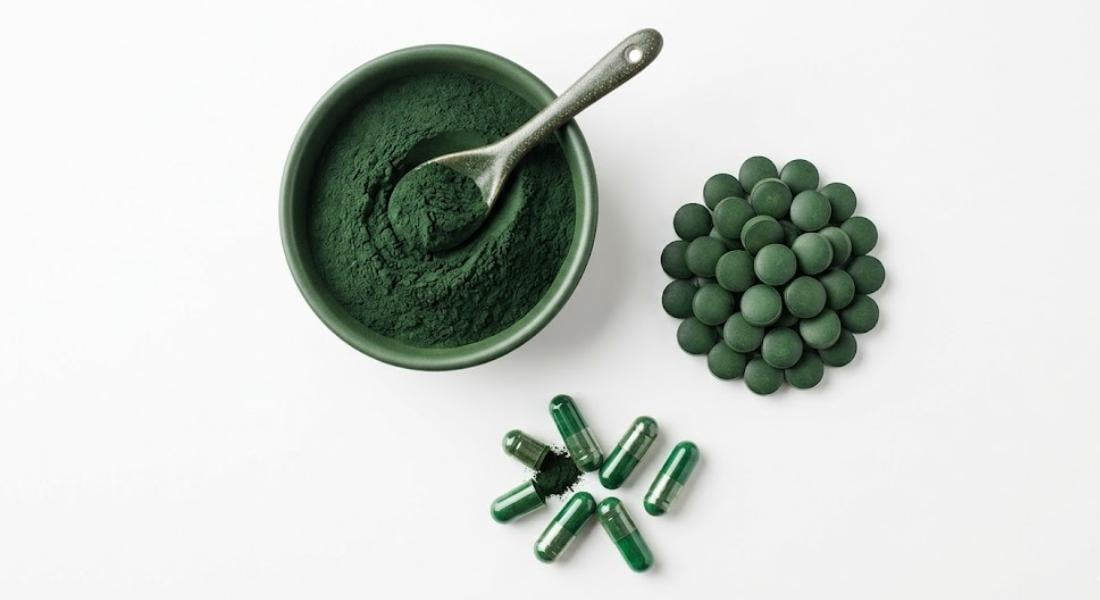
Spirulina as a supplement exists mainly in three forms—powder, pressed tablets, gelatin or plant-based capsules. Each has its pros and cons.
| Form | Pros | Cons | Who it suits |
|---|---|---|---|
| Powder | Cheapest, can be added to food, flexible dosing, absorbed the fastest | Strong taste and smell, stains dishes and teeth | Those who make smoothies and aren’t afraid of the taste |
| Tablets | Easy to carry, neutral taste, precise dosing | More expensive than powder; one tablet is usually 0.5–1 g—need many | Those for whom the taste is a problem |
| Capsules | Most convenient, odorless, doesn’t spoil tooth enamel | Most expensive option, less substance per capsule | Travelers, those sensitive to taste |
Spirulina powder is the choice of those who want the maximum product for their money. Quality powder is dark green, with a light seaweed smell. If it’s brownish or smells “musty,” it’s spoiled or old.
Spirulina tablets are the optimal balance of convenience and price—the most common form in Ukraine. Look at the ingredients: sometimes maltodextrin, cellulose, magnesium stearate are added—small amounts are normal; excess suggests cost-cutting.
Capsules save those with a gag reflex or who simply cannot tolerate the algae taste even in microdoses. It’s more expensive, but sometimes it’s the only way to start taking spirulina at all.
How to add it to your diet
The simplest way is to drink a teaspoon of powder mixed into a glass of water or juice. The taste is specific, but tolerable. If it’s absolutely unbearable, there are several ways to hide it:
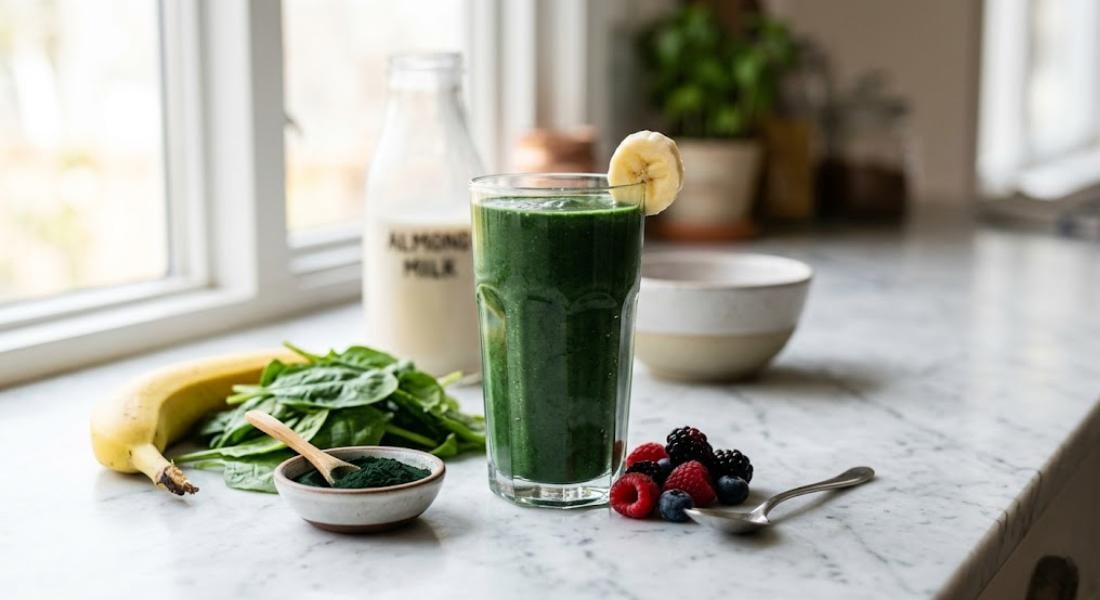
- Add to a fruit smoothie with banana and berries. Banana masks the taste well, and berries provide color contrast.
- Mix with honey or maple syrup and eat with a spoon. Fast, no fuss.
- Sprinkle into ready-made oatmeal or porridge (not hot—temperatures above 70°C destroy some nutrients).
- Mix into guacamole or hummus—the color hardly changes, the taste gets lost.
What you shouldn’t do: add to hot dishes, boil, fry. Temperature kills phycocyanin and B vitamins. Soups and stews aren’t recommended either—only cold or slightly warm.
Popular recipes and smoothies
A few options that are actually easy to drink.
Green morning smoothie. One ripe banana, a handful of spinach, 200 ml almond milk, a teaspoon of spirulina, a tablespoon of oats, a pinch of cinnamon. Blend. It turns out thick and filling—like a full breakfast.
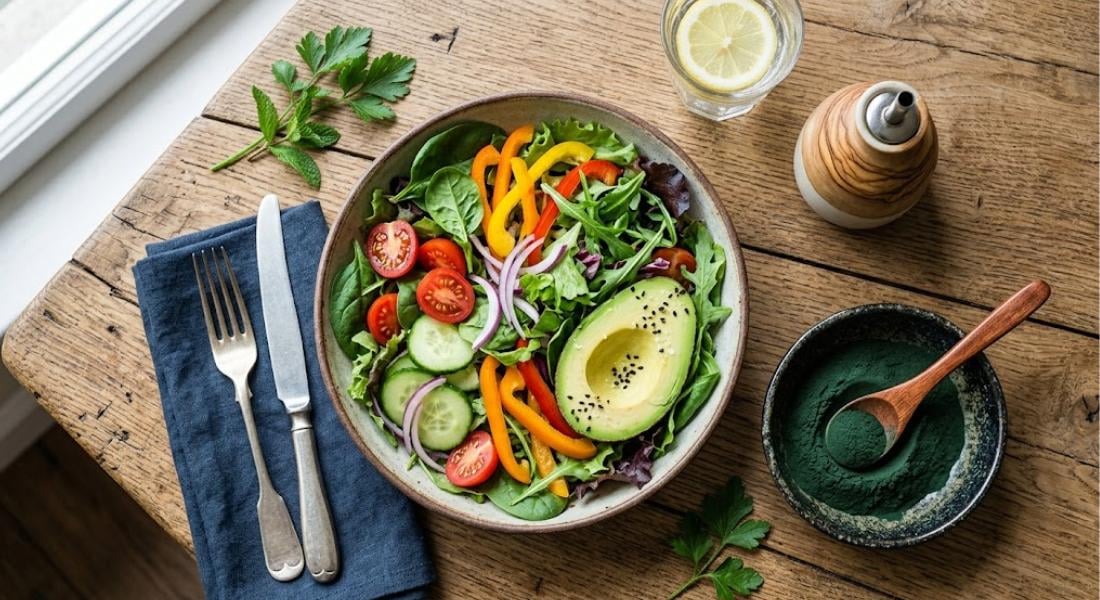
Spirulina bowl. Frozen berries (strawberries, raspberries), banana, 100 ml yogurt, 1 g spirulina. Blend to an ice-cream-like thickness, pour into a bowl, top with nuts, chia seeds, granola. The color is so Instagrammable it earns likes by itself.
Cold detox drink. Juice of one lemon, a teaspoon of honey, 1 g spirulina, 300 ml cool water. Stir and drink on an empty stomach. The taste is not for the faint of heart, but it energizes effectively.
You can google hundreds of ready recipes—the key is to remember the temperature rule.
Spirulina — how to take it correctly
Recommended dosage
How to take spirulina has no single right answer because dosage depends on your goal.
- For general wellness and prevention: 1–3 g per day. That’s 2–6 tablets (500 mg each) or half a teaspoon of powder.
- For sports goals and endurance: 3–6 g per day. Studies observed endurance effects at these doses.
- For therapeutic purposes (under medical supervision): up to 8–10 g per day. These are therapeutic doses and make no sense without a clear medical task.
- For older people: start with a minimal 1 g and monitor how you feel during the first 2–3 weeks—sensitivity to supplements increases with age.
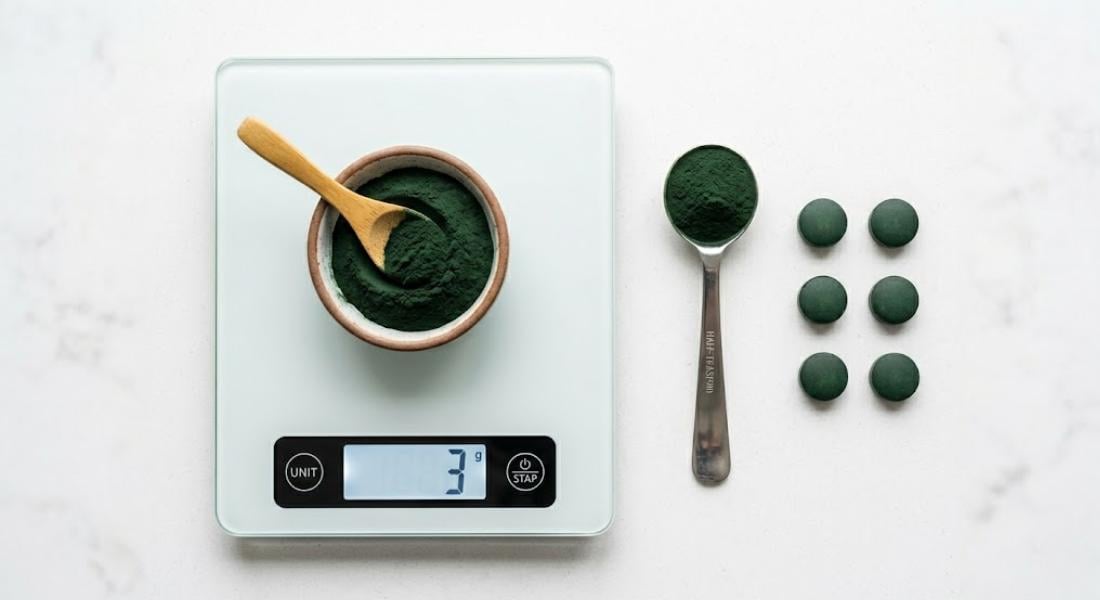
Beginner dosing should always be minimal. The first week—0.5 g, then gradually increase. This gives the gut time to adapt and reduces the risk of unpleasant side effects.
Instructions on packages often differ between manufacturers—focus on how much is in one tablet and recalculate for your goal. You don’t have to take “6 after meals” as written on the box—that’s a generic recommendation for an average person.
When it’s best to take it
The best time is in the morning, 20–30 minutes before breakfast. On an empty stomach, nutrients are absorbed better, and the energizing effect from B vitamins and iron comes faster.
If the goal is appetite control and weight loss, then take it half an hour before main meals. The dose can be split into two or three portions throughout the day.
It’s better not to take spirulina before bed. Not because it’s harmful, but because of its energizing effect—many complain they fall asleep worse. And iron is less appropriate in the evening.
Daily spirulina use is normal practice. Courses of 1–3 months with breaks work just as well as continuous use, but give the liver and kidneys a break when clearing residues.
Tips for beginners
A few things that usually aren’t written on the package.
First: smell. The first days it may seem unbearable. After a week, your brain adapts and you stop noticing it. Seriously. It’s a matter of habit, not individual tolerance.
Second: water. Drink plenty of water—at least 1.5–2 liters per day, especially in the first weeks. Spirulina is a concentrate; it draws fluids, and without enough drinking you may get constipation.
Third: reactions in the first days. Some people get mild nausea, headache, slight rashes—this isn’t an allergy but rapid elimination of metabolites. If it lasts longer than 5–7 days, reduce the dose or see a doctor.
Fourth: don’t mix with coffee. Caffeine reduces iron absorption, and spirulina contains a lot of it. Keep at least an hour between them.
Fifth, about cost. Quality spirulina isn’t cheap, but a jar lasts months. A 100 g jar at 2 g/day lasts 50 days. A reasonable investment in nutrient density.
Sixth, not about intake itself but important: get into the habit of photographing the jar before you buy a new one. Months later, when you want to repeat it, you won’t have to frantically remember which product worked for you.
Side effects of spirulina and contraindications
Possible side reactions
Spirulina side effects are mostly mild and temporary. The most common are digestive reactions in the first days of use.
What happens regularly: mild nausea, a feeling of fullness in the stomach, greenish stool (normal—these are pigments), slight thirst, headache for the first couple of days. All of this usually passes within 3–7 days as the body adapts.
Less often: allergic rashes, itchy skin, increased sweating, facial swelling (usually in people with hidden sensitivity to iodine or mold), sleep disturbance when taken in the evening.
Serious side effects are very rare. Cases of rhabdomyolysis (muscle breakdown) and autoimmune reactions are described in the literature. But all these cases are associated not with spirulina itself, but with contamination by microcystins—toxins from other cyanobacteria growing nearby in the same waters. Hence the importance of raw material quality. There is a separate section on this below.
Who shouldn’t take it
Spirulina has specific contraindications—not vague phrases like “use with caution,” but a clear list of situations when it’s better to avoid it:
- Phenylketonuria (PKU). Spirulina contains phenylalanine, which these people cannot metabolize.
- Autoimmune diseases. Multiple sclerosis, systemic lupus erythematosus, rheumatoid arthritis, psoriatic arthritis, Crohn’s disease, autoimmune thyroiditis. Spirulina stimulates the immune system, and in these cases “overexciting” it will be harmful.
- Hemochromatosis. A condition with excessive iron accumulation in the body. Spirulina contains a lot of iron and will worsen the situation.
- Blood clotting disorders. If you take anticoagulants (warfarin, others), vitamin K in spirulina may reduce their effectiveness.
- Pregnancy and breastfeeding. Not that it’s strictly forbidden, but sufficient safety studies are lacking. Before taking—consult your gynecologist.
- Allergy to seafood and iodine. Cross-reactions occur.
- Exacerbation of chronic liver and kidney diseases. In remission—cautiously; during an exacerbation—better not.
Interactions with medications
Spirulina is not a neutral supplement. It can enhance or weaken the effect of certain medications.
The most significant interactions:
- Anticoagulants (warfarin, apixaban, rivaroxaban). Vitamin K in spirulina is an antagonist of warfarin and may reduce therapy effectiveness.
- Immunosuppressants (cyclosporine, tacrolimus, methotrexate). Spirulina increases immune activity, which can negate the effect of these drugs.
- Glucose-lowering drugs. Increase the risk of hypoglycemia when taken together.
- Antihypertensives (ACE inhibitors, beta-blockers). Spirulina lowers blood pressure itself; the effect may become excessive.
If you take any prescription medications on an ongoing basis, talk to your doctor before starting spirulina. This isn’t “just in case,” but a real precaution.
Product quality and safety
How to choose quality spirulina
Spirulina safety starts with choosing a manufacturer. On store shelves and marketplaces there are dozens of brands, from luxury to suspicious “no name” for 50 hryvnias per pack. The difference between them is not marketing, but real product purity.
What to look at on the label:
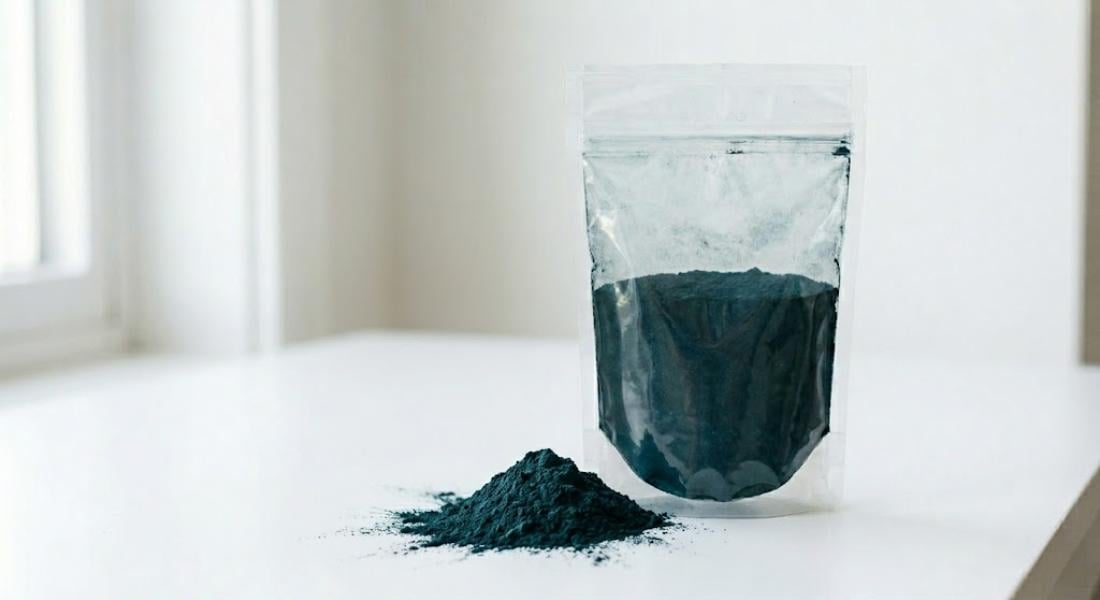
- Origin of raw material. Good producers specify the country and even the specific farm. The highest reputation: Hawaii, Taiwan, southern India, some California farms. Cheap spirulina often comes from China—not all of it is bad, but quality control there is on average weaker.
- Certificates. USDA Organic, EU Organic, NOP, Naturland—any real certificate indicates regular inspections. The word “organic” without certification is worthless.
- Heavy metal tests. The best producers publish lab test results for lead, cadmium, mercury, arsenic, and microcystins. If there’s no such information, questions arise about brand seriousness.
- Production date and shelf life. Spirulina oxidizes over time. Fresh is dark blue-green. Old is brownish with a weakened smell.
- Drying method. Spray drying is optimal. Drum drying is cheaper but destroys more nutrients. Premium products list this information on the packaging.
- Single-ingredient composition. If the ingredients list simply says “spirulina 100%,” that’s better than a mix with maltodextrin, lactose, “natural flavors.” Exception: tablets, where a small amount of binders is acceptable (cellulose, magnesium stearate up to 2–3%).
- Protective packaging. Dark glass or opaque UV-protected plastic. Light oxidizes phycocyanin, so product in transparent jars on a sunny windowsill loses half its benefit in a couple of months.
Price is not always an indicator, but below a certain threshold there is no quality product. Roughly: in Ukraine, decent spirulina costs 250–450 UAH for 100 g of powder or 200 tablets. If you see 100 g for 80–100 UAH, that’s already a reason to doubt.
Organic vs regular
“Organic” spirulina is grown without synthetic fertilizers, with water purity control and minimized contamination. In theory, it’s safer. In practice, the difference is smaller than it seems.
If regular spirulina is produced on a normal farm with lab control, it’s safe. If “organic” is produced in a “garage” operation without certification, the name guarantees nothing.
The real criterion is not “organic or not,” but “is it tested by independent labs.” A serious brand always provides a COA (certificate of analysis) on the website or upon request.
About color: sometimes “Golden Spirulina” is sold—a product that is not quite spirulina, but a hybrid or a mix with other algae (often with wild rice, reishi mushrooms, turmeric additives). In such cases the “golden spirulina” instructions can be honest—or can be disguised as a “pure product.” Check the ingredients—if five ingredients are listed, it’s no longer mono-spirulina.
Risks of product contamination
The main danger for cheap spirulina is contamination.
Microcystins. These are hepatotoxins produced by other cyanobacteria that sometimes grow in the same ponds as spirulina. A quality producer keeps the culture clean and tests raw materials. A cheap one may not. WHO and EFSA have set the acceptable level of microcystins in spirulina at less than 1 µg/g. The best producers stay below 0.1 µg/g.
Heavy metals. Lead, mercury, cadmium, arsenic can enter from contaminated water. This is especially typical of cheap Chinese products. Regular consumption of such a product is slow poisoning.
Bacteriological contamination. Salmonella, E. coli. Occurs in poorly dried raw material or when hygiene standards are not followed in production.
Radioactive elements. In some regions, water is contaminated with radionuclides. Serious producers test for this as well.
The conclusion is simple: buy spirulina from brands that provide analyses. Saving 100 hryvnias on a jar can cost you several years of your liver.
Comparison with other supplements
Spirulina vs chlorella
“Spirulina or chlorella” is a common question. These are two different algae; both are super-concentrated, but they do slightly different things.
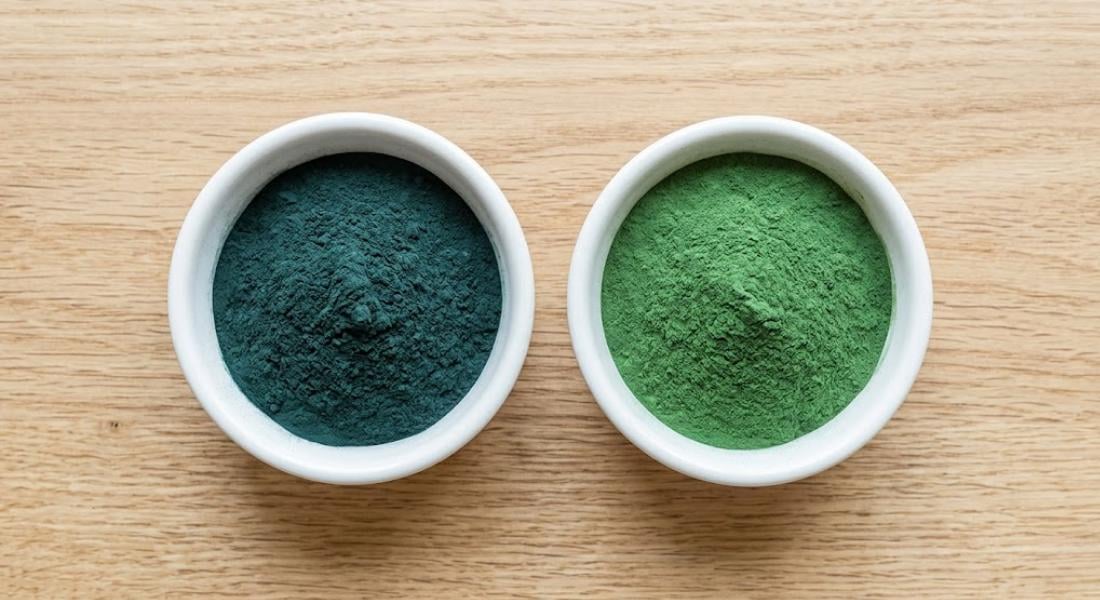
| Parameter | Spirulina | Chlorella |
|---|---|---|
| Type | Cyanobacterium | Freshwater unicellular alga |
| Protein | 60–70% | 50–60% |
| Chlorophyll | Less | More (5–7% by weight) |
| Cell wall | Easily digested | Tough, requires special processing |
| Strong side | Protein, phycocyanin, energy | Heavy metal detox, chlorophyll |
| Weak side | Doesn’t remove toxins as strongly | Harder to absorb |
| Approx. price | More affordable | More expensive |
If you choose: for energy, sport, and protein density—spirulina wins. For detox and cleansing—chlorella. Many people take them together, 1 g of each, getting synergy.
Chlorella has a stronger detox function precisely because of its tough cell wall, which binds metals. That same wall requires the producer to process the algae by cracking—otherwise bioavailability drops to 30%. Good chlorella packaging always says broken cell wall—if it doesn’t, the product isn’t worth buying.
Another difference is pigments. Spirulina contains unique blue phycocyanin, which chlorella has almost none of. Chlorella is rich in CGF (Chlorella Growth Factor)—a complex of nucleotides and peptides that, according to some studies, accelerates tissue regeneration. Biochemically, these are two different tools.
In terms of taste: spirulina has a pronounced “seaweed” taste, often with a fishy note. Chlorella is grassy, like very concentrated spinach. Which one you prefer is individual.
If you’re just starting and need to choose one thing to begin with, spirulina is simpler. Cheaper, more accessible, with a broader evidence base. You can add chlorella later if you want to expand your “green medicine cabinet.”
Spirulina vs protein powder
The question “what’s better—spirulina or sports protein” arises among athletes. These two supplements serve completely different purposes.
Whey protein per serving provides 20–30 grams of pure protein with high bioavailability—especially BCAAs that go straight to the muscles. It’s a product “for gaining mass.”
Spirulina per serving (2–3 g) provides 1.5–2 g of protein. As a protein supplement, it’s negligible. Its role is not to “bulk up,” but to “top up” the diet with vitamins, minerals, and antioxidants.
A healthy solution is not “instead of,” but “together.” Whey—for muscle recovery after training. Spirulina—for overall support, energy, and immunity.
If someone is vegan and doesn’t want whey—alternatives are pea, hemp, rice protein. Spirulina alone does not meet an athlete’s protein needs.
Spirulina vs multivitamins
Multivitamins are a synthetic complex; spirulina is a natural source. In theory, natural forms are absorbed better, but the vitamin concentrations in spirulina are lower than in a specialized multivitamin complex.
Example: the daily vitamin C requirement is 90 mg for an adult. In 5 grams of spirulina there is about 0.5 mg. In a standard multivitamin—full dose. Here spirulina clearly loses.
On the other hand, beta-carotene and iron in spirulina are in very good doses and forms. As a partial replacement—yes. As a complete one—no.
A rational approach: if you have confirmed deficiencies (by tests), take targeted supplements. If you want “insurance” against an irregular diet, spirulina is more appropriate than a broad multivitamin because it has less “extra” and more accompanying beneficial substances.
Pros and cons
Main advantages
If we honestly summarize everything said above:
- A concentrated source of protein—especially for vegans and vegetarians, for whom assembling complete proteins is often harder.
- Iron in a form that is absorbed better than from spinach or legumes. Useful for women with a tendency toward anemia.
- Antioxidants, especially phycocyanin, which has documented anti-inflammatory action.
- Noticeable impact on cholesterol and triglycerides at doses from 1 g/day.
- Evidence-based benefit for athletic endurance.
- Immune support in people without autoimmune pathologies.
- Helps remove heavy metals (arsenic in particular).
- Suitable for long-term use without serious risks (with a quality product).
This is enough to add it to the diet as a stable supplement—provided there are no contraindications.
Drawbacks and limitations
Honestly about the downsides:
- Taste and smell—mildly put, not for everyone. Many people can’t get used to it.
- A quality product costs noticeably more than cheap “no-name”—and this isn’t marketing, it’s purity.
- Does not cover vitamin B12 needs (despite marketing, this form is biologically inactive).
- Not a “fat burner”—doesn’t reduce weight on its own.
- Many contraindications, especially with autoimmune conditions.
- Possible digestive reactions in the first days.
- Not for pregnant and breastfeeding women without consulting a doctor.
- Low-quality product can be potentially dangerous (microcystins, metals).
Not a “panacea” even once, as it’s sometimes presented. It’s a nutrient-dense supplement with specific strengths and weaknesses.
Who it suits best
In summary, spirulina is most beneficial for three categories of people.
First—vegans and vegetarians. Iron deficiency, partly protein, GLA are their typical issues. Spirulina helps on all points.
Second—active people and athletes. A dose of 3–5 g per day gives a noticeable increase in endurance and reduces recovery time.
Third—people over 45–50 who want to support the cardiovascular system and slow oxidative stress. Here it works as prevention.
For everyone else it’s not essential, but not unnecessary either. As a simple way to add a concentrate of nutrients to the diet, it makes sense. As a “miracle supplement for everything,” don’t expect wonders.
Who spirulina suits best
Athletes and active people
Athletes find spirulina interesting for several reasons. First—iron for hemoglobin synthesis, i.e., for oxygen transport. Second—phycocyanin, which reduces muscle damage from intense training. Third—B vitamins involved in energy metabolism.
For runners, cyclists, swimmers—those for whom endurance matters—the effect is most noticeable. Strength athletes also benefit: better recovery after heavy workouts, less inflammation.
Sports dosing is 3–6 g per day, split into two servings. One in the morning, the second 30 minutes before training. Course—at least 6 weeks to feel the endurance effect.
Vegans and vegetarians
For vegans, spirulina is one of the most useful single supplements. It covers several typical deficiencies at once:
- Iron—the main deficiency in a plant-based diet.
- Protein and amino acids, especially lysine and methionine, which are lacking in grains and legumes.
- GLA—an omega-6 fatty acid practically absent from a standard vegan diet.
- Beta-carotene—a precursor of vitamin A.
What spirulina does not cover: vitamin B12 (despite pseudo-B12 in the composition—it’s inactive), vitamin D (not present at all), omega-3 (tiny amounts). Vegans need to cover these nutrients separately.
How to take it as a vegan: the usual dose is 2–3 g per day, long-term. Especially useful for women of reproductive age who have a higher risk of anemia.
People with nutrient deficiencies
This includes very different categories: older people with reduced appetite and poor absorption; women after childbirth, especially with long lactation (after agreement with a doctor); people recovering after serious illness or surgery; workers with irregular schedules and chronic lack of sleep whose diet is usually “whatever you manage to grab on the run.”
The benefit for them is an “insurance” dose of nutrients in concentrated form. Not instead of a complete diet—an addition.
For older adults—the usual dose is 1–2 g, better in powder form (easier to swallow if tablets are a problem). People over 60 often have reduced stomach acidity, which worsens iron absorption—in this case take spirulina with a glass of water with lemon.
For women recovering after childbirth—spirulina helps restore hemoglobin levels faster, which almost always drop after pregnancy and delivery. But only after consulting a gynecologist, especially if breastfeeding continues.
Tips for better results
How to improve absorption
A few specific things that really work.
First—take with vitamin C. Iron is absorbed much better in an acidic environment. Drink spirulina with a glass of water with lemon or with kiwi/orange juice. Iron absorption increases 2–3 times.
Second—avoid calcium in the same intake. Dairy products and calcium supplements compete with iron for absorption. Keep at least 2 hours apart.
Third—drink with enough water. Dry powder without liquid dissolves poorly in the stomach and can cause heaviness.
Fourth—mind timing. On an empty stomach absorption is better, but some people feel nauseous—then take it with a small snack (not a heavy meal).
Fifth—don’t overdo it. More doesn’t mean better. A dose above 10 g per day does not provide additional benefit, while risks increase.
What to combine it with
Spirulina synergizes well with several other supplements and foods.
With chlorella—a classic combination for a wide range of benefits. Spirulina provides energy and protein; chlorella provides deeper detox.
With omega-3 (fish oil or vegan algae oil). GLA in spirulina is omega-6; omega-3 balances the ratio.
With vitamin C—enhances iron absorption.
With turmeric—synergistic anti-inflammatory action. You can add it to the same smoothie.
With probiotics—improves overall gut condition and absorption of all nutrients.
What not to combine with: coffee, tea (tannins block iron), dairy products in the same intake.
Typical mistakes
The most common mistakes that make people disappointed in spirulina:
- Too large doses from the start. Instead of gradual increase—immediately 5–6 g. The gut reacts poorly; people quit.
- Expecting an instant effect. Spirulina isn’t an energy drink. The effect is cumulative, felt after 3–6 weeks.
- Buying a cheap product. Saving 100 UAH and getting potentially contaminated raw material with unknown content.
- Adding it to hot dishes. Boiling water kills half the benefit. Only cold or slightly warm.
- Combining with coffee/tea right after intake. Iron is not absorbed; the effect is minimal.
- Quitting after a week. Noticeable changes in well-being and lab results appear after at least a month of regular intake.
- Ignoring contraindications. Taking it because “everyone drinks it,” without regard to autoimmune conditions or medications.
Most of these mistakes are easy to avoid if you simply read the instructions carefully. Understand what spirulina is—as a concentrate, not a “little vitamin,” and half the problems disappear.
FAQ: answers to common questions
Can you take spirulina every day
Yes, you can. Moreover, daily intake is what provides the cumulative effect. “Drink for a month, don’t drink for a month” courses also work, but there’s no need.
Exceptions are if you have contraindications (autoimmune conditions, taking anticoagulants, phenylketonuria, hemochromatosis). In these cases, daily intake is contraindicated.
The dose for daily intake should be moderate. 1–3 g per day is optimal for most people. More—only for a specific goal (sport, recovery) and not longer than 8–12 weeks in a row at high doses.
Once every half year, take a 2–3 week break—give the body a full “reset.” And periodically get iron and ferritin tests if you take it long-term: iron accumulation above normal is a real, though rare, issue.
How soon will you see results
It depends on what result you’re expecting.
Energy and vigor may appear within 1–2 weeks, especially in people with hidden iron deficiency.
Skin—noticeable changes (less acne, more even tone) usually in 4–6 weeks.
Hair—effect on growth and shedding in 3–4 months. Hair grows slowly; it won’t be faster.
Cholesterol and triglycerides—in tests—after 8–12 weeks of regular intake.
Athletic endurance—4–6 weeks at a dose of 4–6 g/day.
If after 2 months there are no changes at all, there are a few possibilities: the product is low quality, the dose is too small, or spirulina simply doesn’t address your specific deficiencies (for example, you lack vitamin D rather than iron—then spirulina is powerless).
Does spirulina help with weight loss
It helps, but indirectly. It does not “burn fat.” It does not “boost metabolism in a magical way.”
What it does: reduces appetite due to volume and protein, reduces cravings for sweets (if taken half an hour before meals), partially compensates nutrient deficiencies that make the body “demand more food.” Often people eat a lot not because they’re energy-hungry, but because the body is looking for specific minerals—iron, magnesium, zinc. You cover these deficiencies—and appetite calms down.
Real weight loss in studies is 1–2 kg over 2–3 months of intake along with an adequate diet. Not impressive, but stable. More importantly, this loss is mostly from fat tissue rather than muscle—thanks to the high protein content of the supplement.
How to take spirulina for weight loss—optimally 1–2 g 30 minutes before main meals, three times a day. Drink with plenty of water. Without diet and physical activity, none of this will work.
And about realistic expectations: don’t count on “instant minus 5 cm at the waist in a week,” as ads sometimes promise. The first week may give only -0.5–1 kg, mostly from losing excess fluid. Real fat reduction starts from the third to fourth week.
Realistic expectations: not “minus 10 in a month,” but a healthy companion to a weight-loss plan. Spirulina is more about diet quality than the number of kilograms on the scale.
Which form of spirulina is better
There is no best form—there is the one that suits you.
If taste doesn’t bother you and you make smoothies or other drinks—choose powder. Cheapest, most versatile, absorbed the fastest.
If the taste is unbearable but your budget allows—tablets. Convenient, precise dosing, minimal taste sensations.
If you travel, have sensitive taste receptors, or just want comfort—capsules. Most expensive, but most convenient.
Nutritionally, all three forms are the same—provided the raw materials are quality. The difference is the carrier and convenience.
“Golden spirulina,” “spirulina with turmeric,” “spirulina with goji berries”—these combined products are not better than pure spirulina and are often worse because the concentration of the main ingredient is lower. It’s better to take pure spirulina and combine it with other supplements to your taste than to overpay for marketing mixes.
And lastly: there is no “correct” form for everyone. What is convenient for one person (powder in a smoothie) is inconvenient for another (tablets on the road). Try different options until you find yours. The trial budget is small because powder costs pennies.
Sources and expert studies
If you want to dive deeper into the topic and verify it yourself, here are the key sources we referenced:
- Karkos, P.D. et al. Spirulina in Clinical Practice: Evidence-Based Human Applications. Evidence-Based Complementary and Alternative Medicine, 2011.
- Selmi, C. et al. The Effects of Spirulina on Anemia and Immune Function in Senior Citizens. Cellular & Molecular Immunology, 2011.
- Misbahuddin, M. et al. Efficacy of Spirulina Extract Plus Zinc in Patients of Chronic Arsenic Poisoning. Clinical Toxicology, 2006 (Bangladesh).
- Kalafati, M. et al. Ergogenic and Antioxidant Effects of Spirulina Supplementation in Humans. Medicine and Science in Sports and Exercise, 2010.
- Serban, M.C. et al. A systematic review and meta-analysis of the impact of Spirulina supplementation on plasma lipid concentrations. Clinical Nutrition, 2016.
- World Health Organization. Spirulina in human nutrition and health. WHO/FAO Joint Report, 2008.
- EFSA (European Food Safety Authority). Scientific Opinion on the safety of microalgae and Cyanobacteria for use in food. 2020.
- Examine.com — a database with open analyses of spirulina clinical studies.
Another useful place is PubMed (pubmed.ncbi.nlm.nih.gov): a search for “Spirulina platensis clinical trial” returns more than 800 peer-reviewed publications. It’s the place where you can check any claims from ads and blogs before believing them.
Spirulina is not magic—just concentrated food with a real evidence base for some promises and a complete zero for others. The benefits of spirulina are most noticeable when it’s taken consciously: for your goal, in the right dosage, from a quality source. All other stories are marketing that should be filtered.
If you have questions or want to choose a specific product for your goals, the Lavka Molfara shop is always happy to help with selection.



Write a comment