
 Delivery and payment


-100x100.png)
-100x100.png)
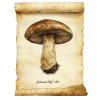
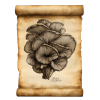
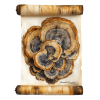
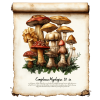








- Trametes versicolor – what it is – What is Trametes versicolor (turkey tail) – Where it grows and what the mushroom looks like – Other names and features
- Trametes versicolor – composition and active substances – Polysaccharides PSK and PSP – Antioxidants and beta-glucans – Other beneficial components
- Trametes versicolor – benefits for the body – Immune support and antioxidant action
- Trametes versicolor – impact on immunity – How the mushroom strengthens immunity, support during infections and microflora
- Trametes versicolor – potential benefits for diseases – Support in oncology, chronic diseases, and recovery
- Trametes versicolor – for digestion – Microbiota, gut, and prebiotic properties
- Trametes versicolor – forms and types – Capsules, extracts, powder, and tea
- Trametes versicolor – how to take – Dosage, timing, and course duration
- Trametes versicolor – side effects – Body reactions, intolerance, and overdose
- Trametes versicolor – contraindications – Who should not take it, pregnancy, and drug interactions
- Trametes versicolor – how to choose a quality product – What to look for, concentration, and avoiding counterfeits
- Trametes versicolor – comparison with other mushrooms – Trametes vs reishi and cordyceps
- Trametes versicolor – pros and cons – Advantages, disadvantages, and who it suits best
- Trametes versicolor – tips for effective use – Absorption, combinations, and common mistakes
- Trametes versicolor – FAQ – Can it be taken daily and how soon an effect is noticeable – Does it help immunity and which form is most effective
- Sources
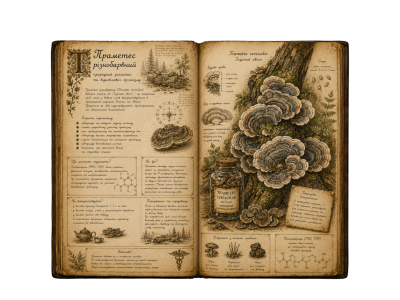
Trametes versicolor is one of the few medicinal mushrooms that has not only a millennia-long history of use in Asian medicine, but also a solid modern scientific evidence base. The Trametes mushroom, known in the English-speaking world as turkey tail (“turkey tail”), is included among adaptogens with the greatest number of clinical studies in an oncology context. Trametes versicolor, whose benefits have been acknowledged by regulatory bodies in Japan and the USA, is being actively studied as a means of supporting immunity, restoring the microbiota, and as an adjunct therapy for oncological diseases.
Trametes versicolor – what it is
What is Trametes versicolor (turkey tail)
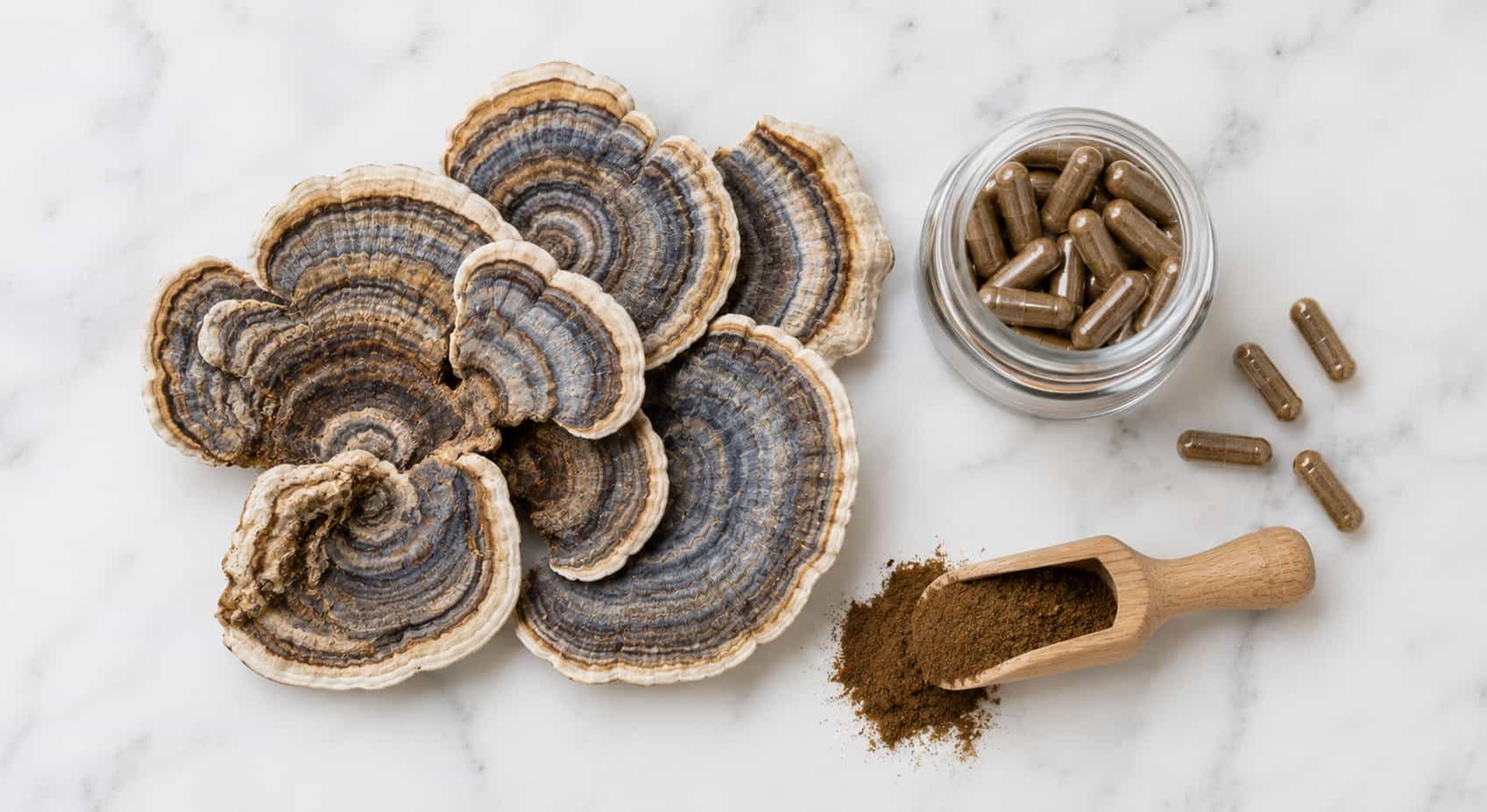
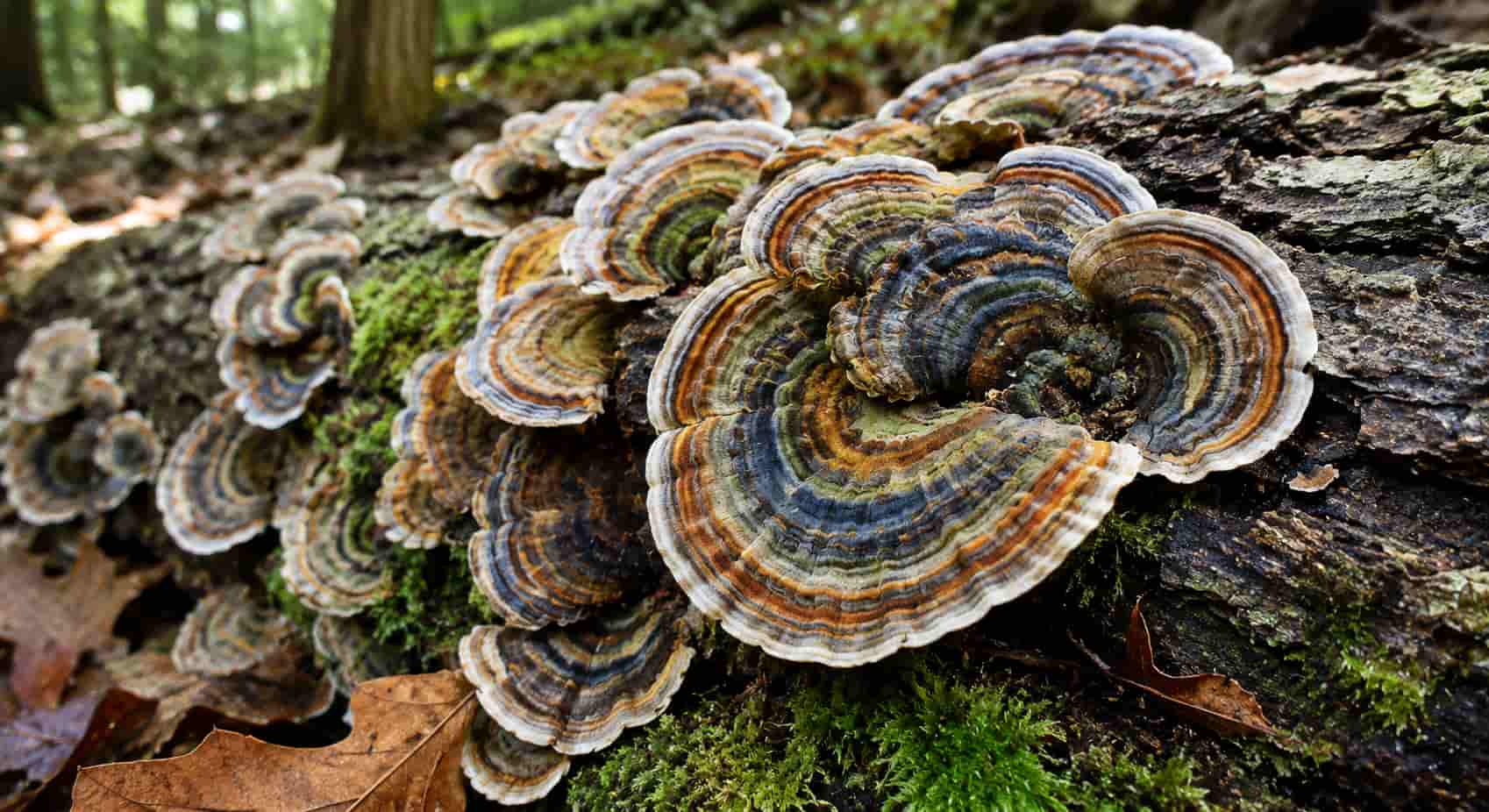
Trametes versicolor (Trametes versicolor, or Coriolus versicolor) is a widespread wood-decaying mushroom from the polypore family. The name “versicolor” reflects its appearance: concentric bands of different shades—from beige to bluish-gray and brown—resemble a rainbow or the tail of a tropical bird. The English name turkey tail arose precisely because of this distinctive pattern.
In traditional Chinese medicine the mushroom is known as “yun zhi” (雲芝) — “cloud mushroom.” The Japanese call it “kawaratake” and have used it medicinally for more than 500 years. In 1977, the Japanese pharmaceutical company Kureha Corporation isolated from it the polysaccharide complex PSK (polysaccharide-K, brand name Krestin) and obtained approval for its use as an official oncology drug.
Where it grows and what the mushroom looks like
The Trametes mushroom grows on all continents except Antarctica—on dead trunks of deciduous trees (oak, birch, beech, alder). In Ukraine it is found everywhere: in parks, forests, and on summer cottage plots. It looks like thin, leathery, semi-fan-shaped fruiting bodies 2–10 cm in diameter, attached sideways to wood without a stem.
An important detail: Trametes versicolor is not edible in the usual sense—too tough to chew. It is consumed exclusively in the form of decoctions, extracts, tea, or standardized supplements. Collecting the mushroom yourself for treatment is not recommended—proper identification is required (it is easy to confuse it with false turkey tail) and controlled processing is needed.
Other names and features
The medicinal properties of Trametes are known under various names: Coriolus versicolor (an older scientific name), Polyporus versicolor, cloud fungus, turkey tail mushroom. In Japanese oncology, derivatives are used—PSK and PSP. A feature: the mushroom is a saprotroph and does not паразitize living trees; it decomposes lignin and cellulose, performing an important ecological function.
Trametes versicolor – composition and active substances
Polysaccharides PSK and PSP
Trametes beta-glucans and polysaccharides are key bioactive components. PSK (polysaccharide-K) is a protein-polysaccharide complex with a β-1,4-glucan backbone. Officially registered as an oncology drug in Japan since 1977; used as adjuvant therapy for stomach, colon, and breast cancer. PSP (polysaccharopeptide) is a similar molecule, but without the protein component; studied mainly in China and shows similar immunomodulating effects.
Mechanism of action of PSK and PSP: activation of macrophages and dendritic cells, increased production of interleukin-2 and interferon-γ, stimulation of NK cells and T lymphocytes. These processes underlie the mushroom’s antitumor and anti-infective activity.
Antioxidants and beta-glucans
Trametes extract contains a powerful antioxidant complex: flavonoids (quercetin, baicalein, apigenin), phenolic acids (gallic, coumaric), terpenoids. A 2011 study (Journal of Agricultural and Food Chemistry) showed that the antioxidant activity of Trametes extract was higher than that of green tea and acai berries at comparable concentrations.
Beta-glucans are a separate category of polysaccharides with a proven immunomodulating effect. In Trametes their content reaches 25–38% of dry mass. It is beta-glucans that interact with dectin receptors on the surface of immune cells, triggering an activation cascade of innate and adaptive immunity.
Other beneficial components
In addition to PSK, PSP, and beta-glucans: ergothioneine (a powerful antioxidant specific to mushrooms), ergosterol (a precursor of vitamin D2), minerals (potassium, phosphorus, magnesium, selenium), vitamins B1, B3, B5, B9. Selenium is of particular importance—if the substrate contains enough of it, the mushroom can accumulate it in forms with increased bioavailability.
Trametes versicolor – benefits for the body
Immune support and antioxidant action
Trametes for immunity is the most studied and confirmed effect. A 2015 meta-analysis included more than 8,000 patients with gastric cancer: adding PSK to standard chemotherapy significantly increased 5-year survival by 8–9%. For a nutraceutical, this is an exceptional result.
Antioxidant action: flavonoids and phenolic acids neutralize free radicals and reduce markers of oxidative stress. General strengthening effect: increased adaptive capacity of the body under chronic нагрузки, faster recovery after infections and physical exhaustion.
Trametes versicolor – impact on immunity
How the mushroom strengthens immunity, support during infections and microflora
Trametes mushroom immune-related properties are realized through three main pathways. First—activation of innate immunity: beta-glucans bind to Dectin-1 receptors on macrophages and neutrophils, enhancing phagocytic activity and production of pro-inflammatory cytokines when encountering pathogens. Second—modulation of adaptive immunity: PSK stimulates differentiation of T-helpers and increases the cytotoxic activity of NK cells. This two-level action—simultaneous activation of both “fast” innate and “trained” adaptive immunity—is the key feature that sets Trametes apart from other plant adaptogens.
Third—support during infections: clinical observations record a reduction in the duration of ARVI and a decrease in relapse frequency with курс use. A Japanese study from 1994 (Nakazato et al.) showed that patients with gastric cancer who took PSK during chemotherapy had half the frequency of infectious complications compared to the control group.
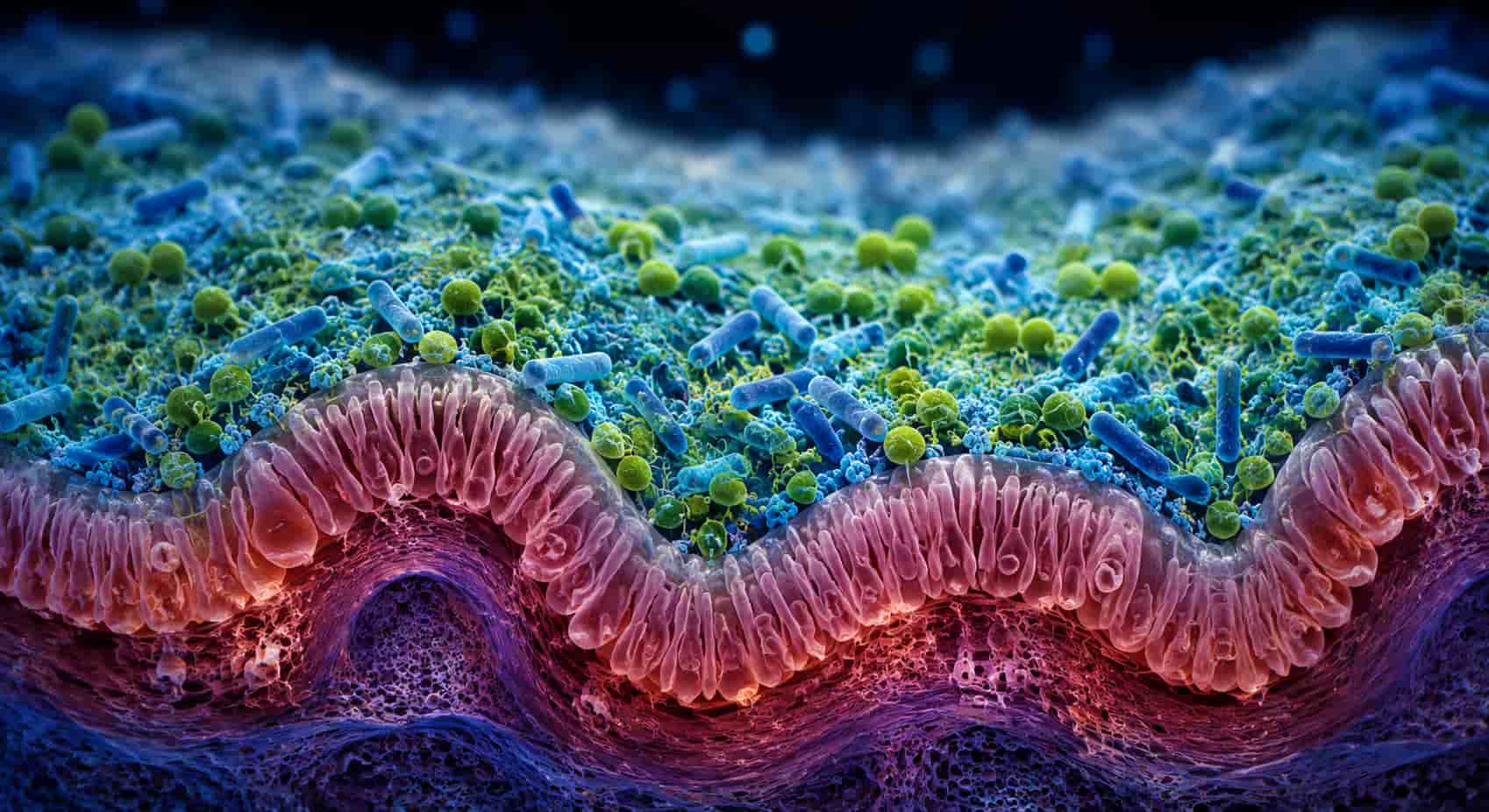
Trametes and microbiota: a 2014 study (Integrative Cancer Therapies, Pallav et al.) showed significant positive changes in the gut microbiome after 6 weeks of intake—increased Bifidobacterium and Lactobacillus, decreased Clostridium.
Trametes versicolor – potential benefits for diseases
Support in oncology, chronic diseases, and recovery
Trametes in oncology is the most significant and documented area of application. It is important to state right away: Trametes is NOT an antitumor drug and does not replace standard treatment. Its role is adjuvant support: improving quality of life during chemotherapy, strengthening the immune response, and reducing the risk of infectious complications.
In 2012, the FDA (USA) approved a clinical study of a Trametes versicolor–based product for support in breast cancer. A University of Washington study (Deng et al., 2011) showed that women with breast cancer after taking Trametes extract demonstrated significant restoration of NK cell and CD8+ T-lymphocyte populations suppressed by chemotherapy.
Impact on chronic diseases: there are preliminary data on benefits in chronic infections, type 2 diabetes (improving insulin sensitivity via a microbiome mechanism), and chronic fatigue. Recovery after illness: a course of Trametes after a severe infection or prolonged antibiotic therapy helps restore the microbiome and normalize immune reactivity.
Trametes versicolor – for digestion
Microbiota, gut, and prebiotic properties
Trametes and microbiota is one of the most promising modern topics. The mushroom’s polysaccharides are not digested in the upper GI tract and reach the large intestine unchanged, where they serve as a substrate for beneficial bacteria. This is classic prebiotic action.
Pallav et al. (2014): after 6 weeks of intake in 24 healthy volunteers, microbiome diversity increased significantly; in particular, Bifidobacterium longum and Lactobacillus acidophilus increased 2–3 times. Improved intestinal function: through normalization of microflora, peristalsis improves, intestinal barrier permeability decreases, and systemic inflammation is reduced.
Trametes versicolor – forms and types
Capsules, extracts, powder, and tea
| Form | Advantages | Disadvantages |
|---|---|---|
| Capsules (extract) | Standardized PSK/PSP dose, convenient | More expensive than powder |
| Powder (whole mushroom) | Cheaper, full profile preserved | Lower PSK concentration |
| Tea (decoction) | Traditional method, no additives | Long preparation, non-standard dose |
| Liquid extract (tincture) | Fast absorption | Short shelf life |
| Dual extract (alcohol + water) | Maximum bioavailability | Most expensive option |
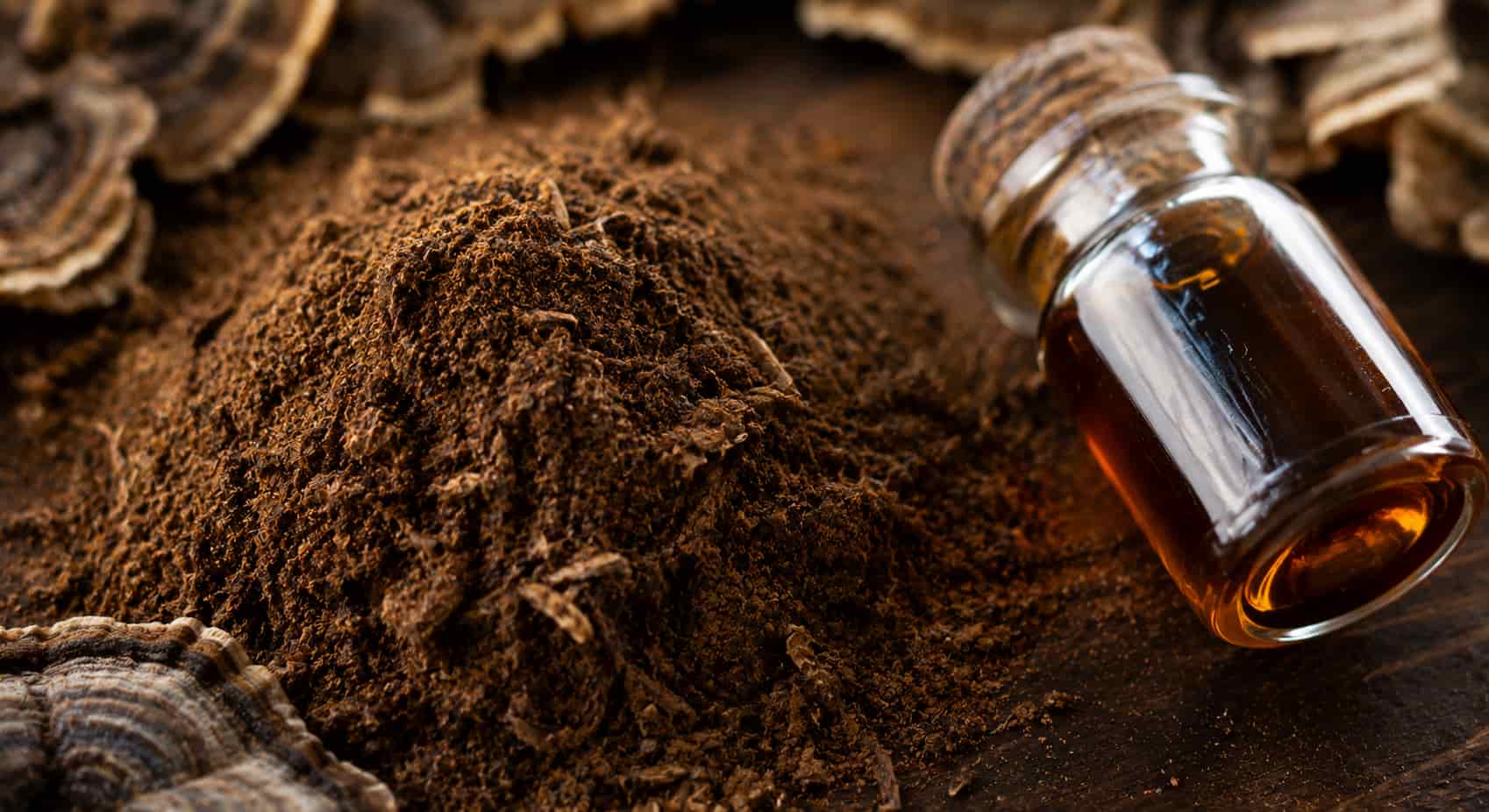
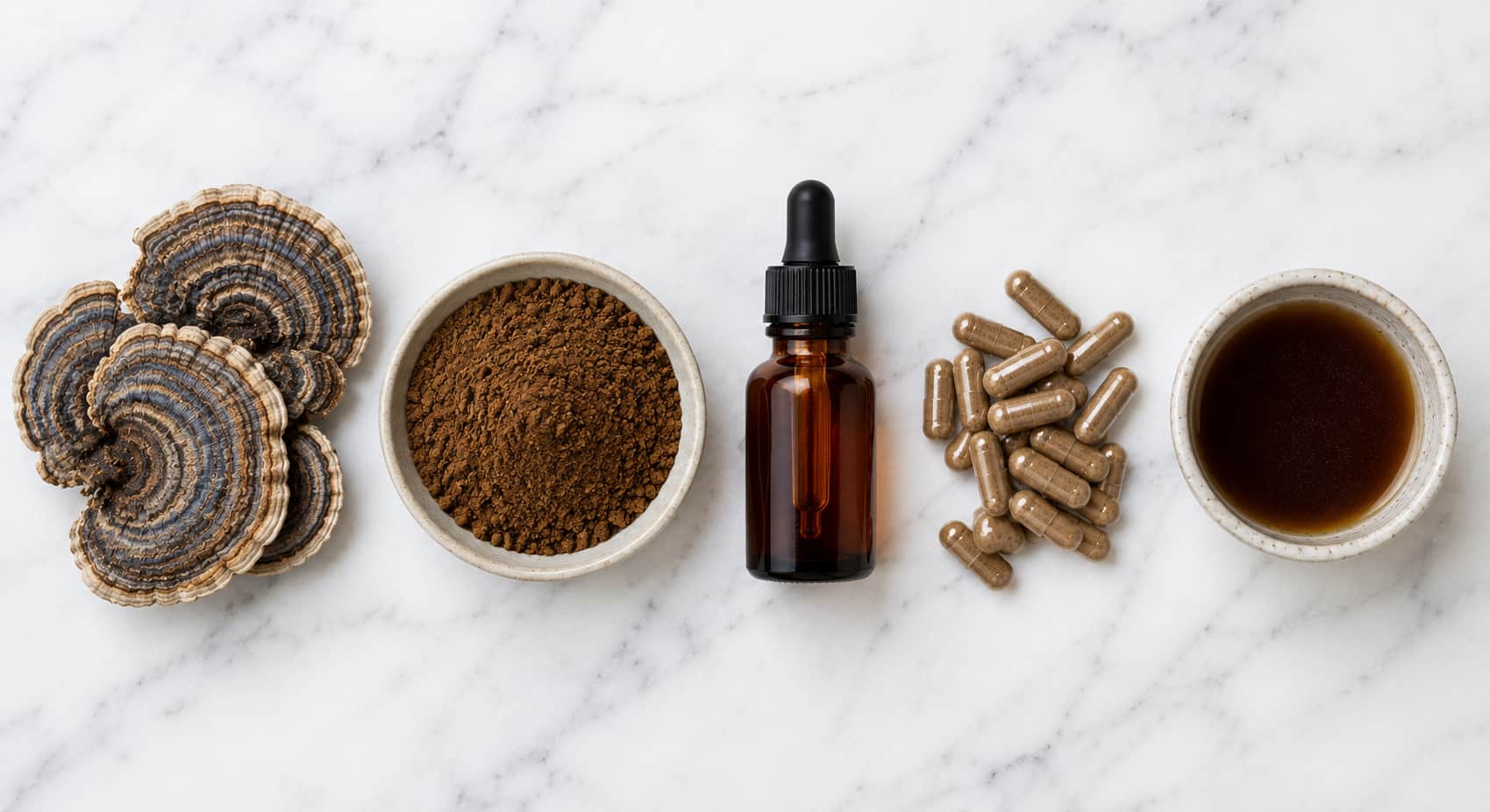
Which form is better to choose: for therapeutic purposes—a standardized extract in capsules with the stated PSK or beta-glucan content. For prevention and support—powder or tea are suitable as a more affordable alternative. An important detail about tea: to release polysaccharides, you need to boil crushed fruiting bodies for at least 45–60 minutes. Simply steeping in boiling water will not provide a sufficient concentration of active substances.
Trametes versicolor – how to take
Dosage, timing, and course duration
How to take Trametes depends on the form and goal. Dosage for a standard extract: 1.5–3 g of extract or 2–4 g of dry powder per day, divided into 2–3 doses. For adjuvant use in oncology (only with an oncologist): PSK—3 g/day, PSP—1–2 g/day according to Japanese and Chinese protocols.
When it’s best to take: with food or 20–30 minutes before meals—improves absorption of polysaccharides. You can take it in the morning and evening. Course duration: the minimum effective course is 4–6 weeks. For pronounced immune effects—2–3 months. With long-term use (over 3 months), a break of 4–6 weeks is recommended.
Trametes versicolor – side effects
Body reactions, intolerance, and overdose
Side effects at standard doses are minimal. Most common: mild gastrointestinal reactions at the start of the course (nausea, bloating, stool changes)—usually pass after 5–7 days. Rarer: allergic reactions (skin rash, itching) in case of individual intolerance to mushrooms. Side effects of PSK in clinical studies were recorded in fewer than 5% of patients.
Overdose: no clinically significant toxic effects at doses up to 9 g/day were found in studies. Doses above 5–6 g/day may increase GI reactions.
Trametes versicolor – contraindications
Who should not take it, pregnancy, and drug interactions
Contraindications: autoimmune diseases (systemic lupus erythematosus, rheumatoid arthritis, multiple sclerosis)—the mushroom stimulates the immune system, which can worsen the condition; use of immunosuppressants (cyclosporine, tacrolimus, high-dose corticosteroids)—may negate their effect. Who should not take it without a doctor: people after organ transplantation, during active autoimmune flares.
Pregnancy and breastfeeding: there are not enough safety studies—use is not recommended without consulting a doctor. Drug interactions: Trametes may enhance the effect of anticoagulants and interact with chemotherapeutic drugs (potential synergy, but oncologist supervision is needed). When taking any prescription medications—consultation with a doctor is mandatory.
Trametes versicolor – how to choose a quality product
What to look for, concentration, and avoiding counterfeits
What to pay attention to: extraction type—hot-water extract or dual extract contains more polysaccharides than simple milling into powder; beta-glucan concentration—listed on a quality product (at least 20–30% for an extract); standardization to PSK or PSP—for therapeutic purposes; quality certificate (GMP, NSF, or USDA Organic).
How to avoid counterfeits: buy from well-known brands with transparent publication of a COA (certificate of analysis). Suspicious signs: no indication of active-substance concentration, too low a price, lack of manufacturer information. Quality brands: Host Defense (Paul Stamets), Real Mushrooms, Oriveda, Life Extension.
Trametes versicolor – comparison with other mushrooms
Trametes vs reishi and cordyceps
| Criterion | Trametes versicolor | Reishi | Cordyceps |
|---|---|---|---|
| Main action | Immunity, oncology, microbiome | Stress, sleep, liver | Energy, endurance, lungs |
| Evidence base | High (oncology) | Medium | Medium |
| PSK/PSP | Yes (unique) | No | No |
| Microbiome | Pronounced effect | Moderate | Weak |
| Price | Medium | Medium–high | High |
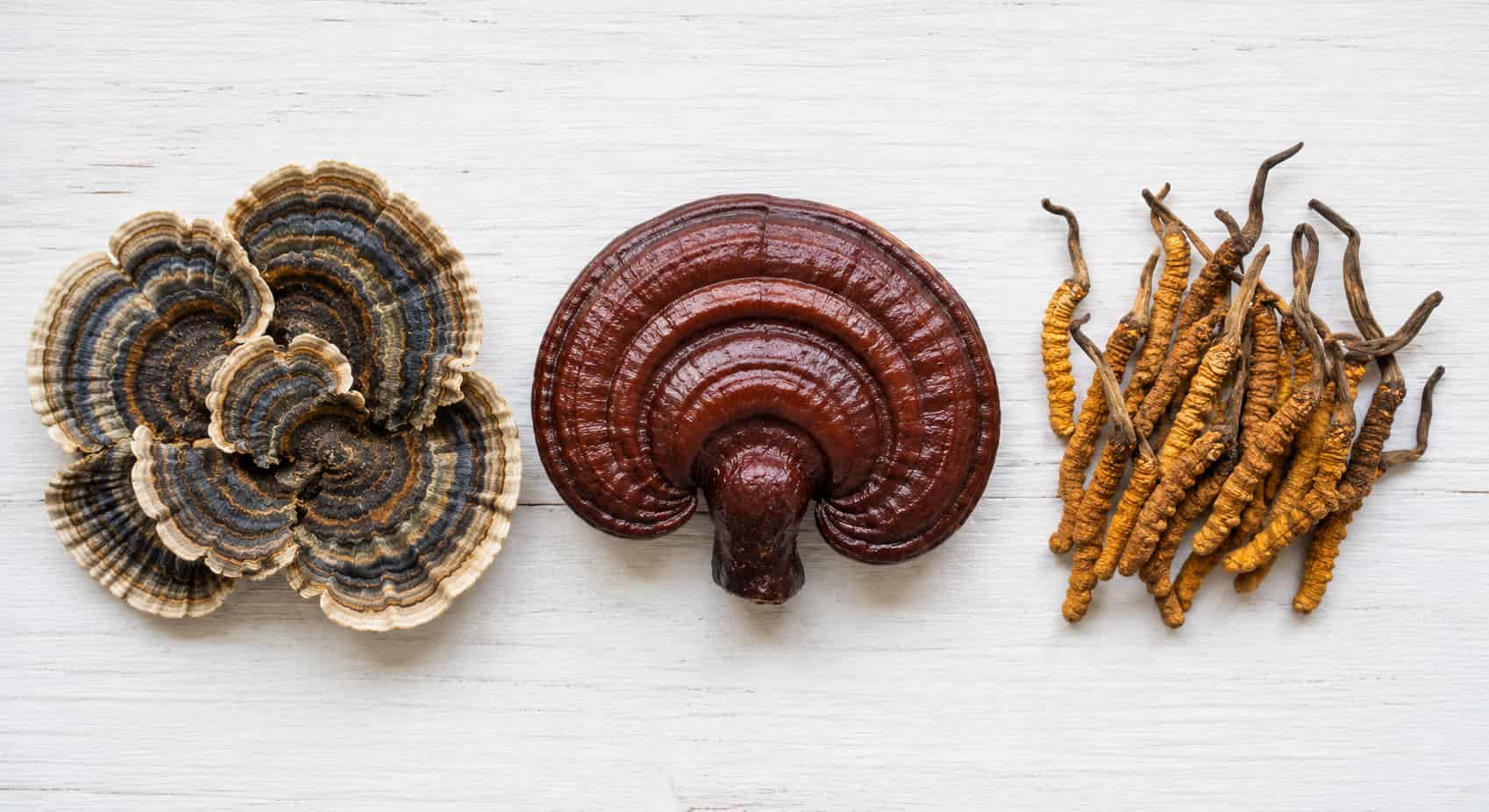
Trametes or reishi—the choice depends on the goal. For oncological diseases and immune support—Trametes. For reducing stress, improving sleep, and protecting the liver—reishi. Cordyceps—for chronic fatigue and reduced physical endurance. Ideally—combine them as recommended by a doctor or nutritionist.
Trametes versicolor – pros and cons
Advantages, disadvantages, and who it suits best
Advantages:
- The largest evidence base among medicinal mushrooms in the context of oncology support.
- Officially registered PSK drug in Japan and China.
- Proven prebiotic effect on the microbiome.
- Good tolerability.
- Widely available; synergy with chemotherapy is documented.
Disadvantages:
- Not edible fresh.
- Proper identification is required when self-harvesting.
- Non-standardized composition of wild mushrooms.
- Interaction with immunosuppressants.
- Limited data for pregnant women and children.
Who it suits best: oncology patients as adjuvant support (only with a doctor); people with weakened immunity and frequent infections; those recovering after antibiotic therapy or a severe illness; people with dysbiosis; athletes to support immunity during intense training loads.
Trametes versicolor – tips for effective use
Absorption, combinations, and common mistakes
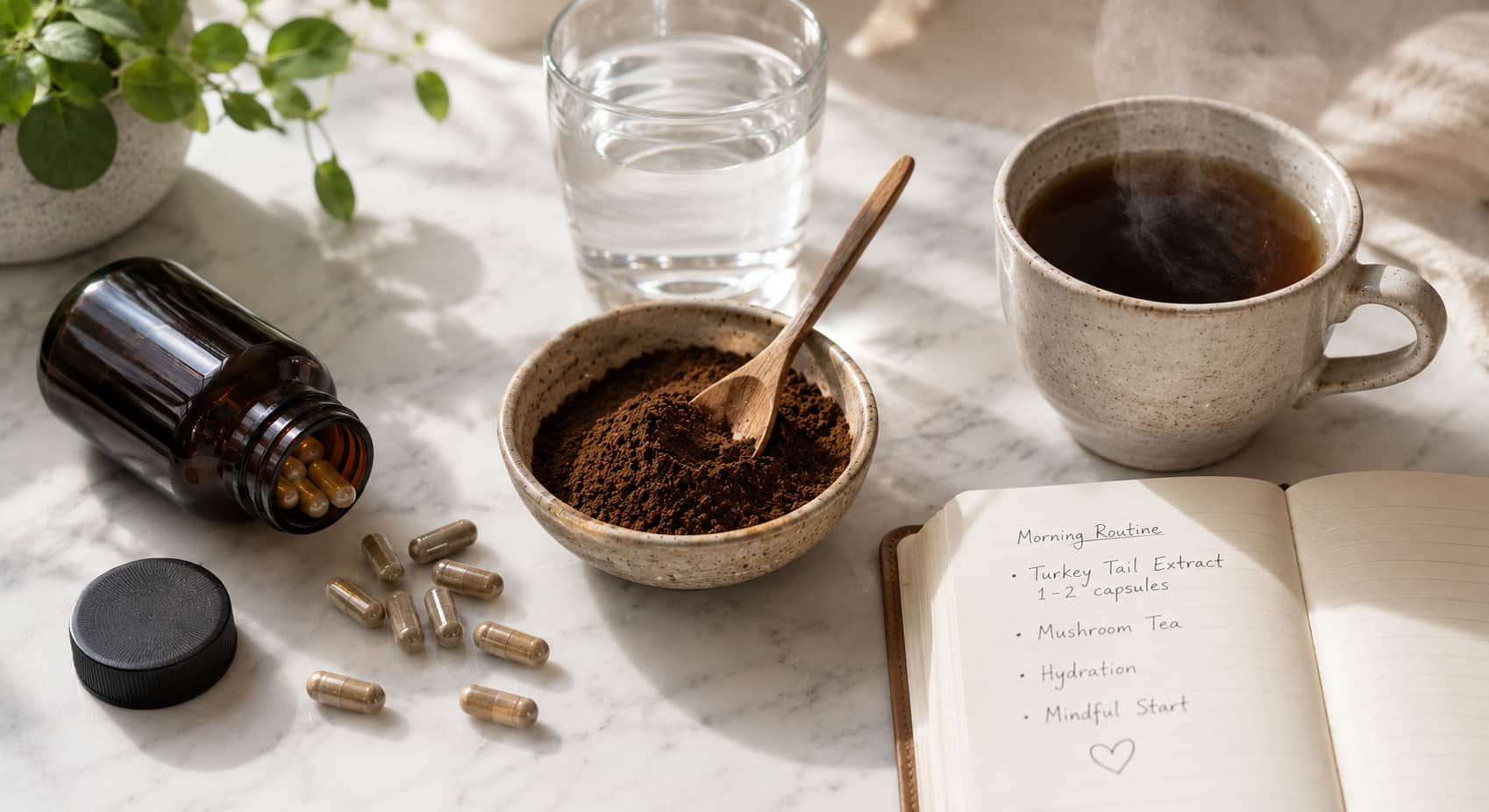
How to improve absorption: hot-water extraction or dual extract—choose products where polysaccharides have already been “pulled out” of the mushroom’s chitin wall. Whole powder is absorbed much worse if it has not undergone heat treatment. Take with food containing fats—this improves absorption of some components.
What to combine with: with reishi—for a broader immunomodulating effect; with vitamin D—synergy for immunity; with probiotics—for maximum prebiotic effect on the microbiome; with omega-3—anti-inflammatory synergy.
Common mistakes: buying cheap powder instead of extract and not getting therapeutic doses of PSK; expecting an effect within a week (in reality—4–6 weeks); taking it independently during oncology treatment without informing the doctor; ignoring contraindications in autoimmune diseases. Another common mistake is stopping after the first course without assessing the result: in chronic conditions and oncology support, Trametes has a cumulative effect, and the second and third courses usually give a better result than the first.
Trametes versicolor – FAQ
Can it be taken daily and how soon an effect is noticeable
Yes, daily intake is the standard regimen in all studies. Minimum duration for a noticeable effect: 4–6 weeks. The first changes for immunity—after 2–3 weeks (subjectively—fewer colds, better recovery). Microbiome changes—after 4–6 weeks. In the oncological context—courses of 3–6 months in Japanese protocols.
Does it help immunity and which form is most effective
Trametes mushroom benefits for immunity—yes, with the best evidence base among medicinal mushrooms. The mechanism via PSK, PSP, and beta-glucans is well documented. Which form is most effective: a standardized extract with stated beta-glucan content (at least 20–30%) or PSK. A dual extract (water + alcohol) offers maximum bioavailability of active substances.
Sources
- Eliza WLY et al. Efficacy of Yun Zhi (Coriolus versicolor) on survival in cancer patients. Recent Patents on Inflammation & Allergy Drug Discovery, 2012.
- Deng G. et al. A Phase I/II Trial of a Polysaccharide Extract from Trametes versicolor in Women with Breast Cancer. ISRN Oncology, 2011.
- Pallav K. et al. Effects of polysaccharopeptide from Trametes versicolor and amoxicillin on the gut microbiome of healthy volunteers. Gut Microbes, 2014.
- Jayachandran M. et al. A Critical Review on Health Promoting Benefits of Edible Mushrooms through Gut Microbiota. International Journal of Molecular Sciences, 2017.
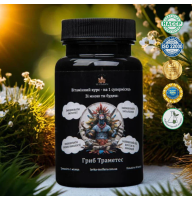
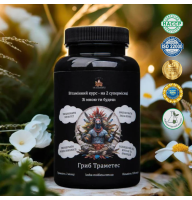
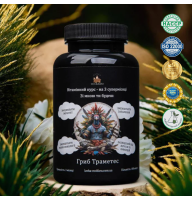
To choose a quality Trametes versicolor extract for your goal—Lavka Molfara offers verified options from reliable manufacturers with quality certificates.
-400x300.png)
Write a comment