
 Delivery and payment


-100x100.png)
-100x100.png)














- Bee pollen – what it is – What is bee pollen – How it is collected and processed – How pollen differs from other bee products
- Bee pollen – composition and nutritional value – Vitamins and minerals in the composition – Proteins, amino acids, and enzymes – Antioxidants and biologically active substances
- Bee pollen – main properties – Strengthening immunity – Anti-inflammatory and antioxidant action – Support for energy and tone
- Bee pollen – effects on the body – Benefits for the cardiovascular system – Effect on digestion – Support for metabolism
- Bee pollen – for women and men – Benefits for women’s health – Effect on hormonal balance – Benefits for the male body
- Bee pollen – for skin and hair – Improving skin condition – Anti-aging properties – Hair strengthening
- Bee pollen – how to take it correctly – Recommended dosage – When it’s best to take it – How to introduce it into the diet
- Bee pollen – ways of consumption – In pure form – With honey or water – As part of drinks and dishes
- Bee pollen – possible side effects – Allergic reactions – Who should not use it – Interactions with medications
- Bee pollen – contraindications – Individual intolerance – Chronic diseases – Pregnancy and children
- Bee pollen – how to choose a quality product – Signs of quality pollen – How to store properly – What to pay attention to when buying
- Bee pollen – comparison with other products – Pollen vs bee bread (perga) – Pollen vs honey – Pollen vs propolis
- Bee pollen – pros and cons – Main advantages – Possible disadvantages – Who it is best suited for
- Bee pollen – tips for a better effect – How to increase absorption – What to combine with – Typical mistakes
- Bee pollen – FAQ – Can pollen be taken every day – How soon is an effect visible – Does pollen help immunity – What dosage is safe
- Sources and studies
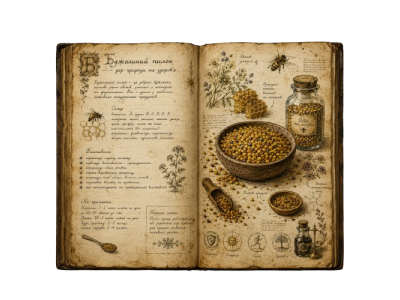
Bee pollen is one of those products that is simultaneously an ancient remedy of folk medicine and a subject of modern scientific research. Bee pollen, whose benefits were confirmed back in Ancient Egypt and China, is now sold as bright multicolored granules in every health food store. The benefits of bee pollen are discussed by nutritionists, immunologists, as well as people who are simply looking for a natural alternative to synthetic vitamin complexes.
.png)
Sounds convincing. But what really lies behind it?
In this article—without exaggeration. We will look at the composition, documented effects, rules of use, contraindications, and answers to questions that are usually kept quiet in promotional descriptions. What bee pollen treats—and what it does not treat—we will выясним honestly.
Bee pollen – what it is
What is bee pollen
Bee pollen is flower pollen from plants that bees collect, moisten with nectar and saliva gland secretions, form into ball-shaped granules, and deliver to the hive. There it serves as the colony’s main source of protein. For humans, it is a concentrate of plant nutrients: proteins, amino acids, vitamins, minerals, and polyphenols in one product.
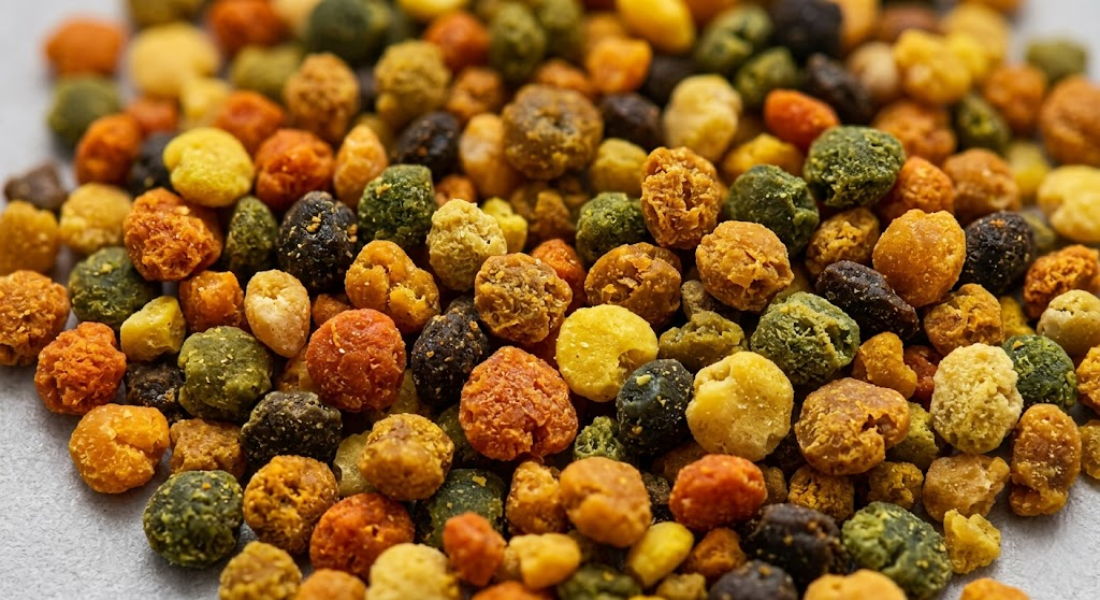
One pollen granule can contain thousands of microscopic pollen grains from different plants. That is why the composition of pollen is so diverse—and that is also why its color can vary: yellow, orange, green, even dark brown. The color depends on which flowers it was collected from.
How it is collected and processed
Beekeepers install a special pollen trap at the hive entrance—a mesh structure that removes part of the granules from the bee’s hind legs as it returns. Each day one colony can yield 100–200 grams of pollen. The collected material must be dried immediately—without drying, it spoils within a few hours.
High-quality processing: drying at a temperature no higher than 40–42°C to preserve enzymes and vitamins. Dried pollen retains its properties for up to 2 years. Frozen—up to 5 years without significant loss.
How pollen differs from other bee products
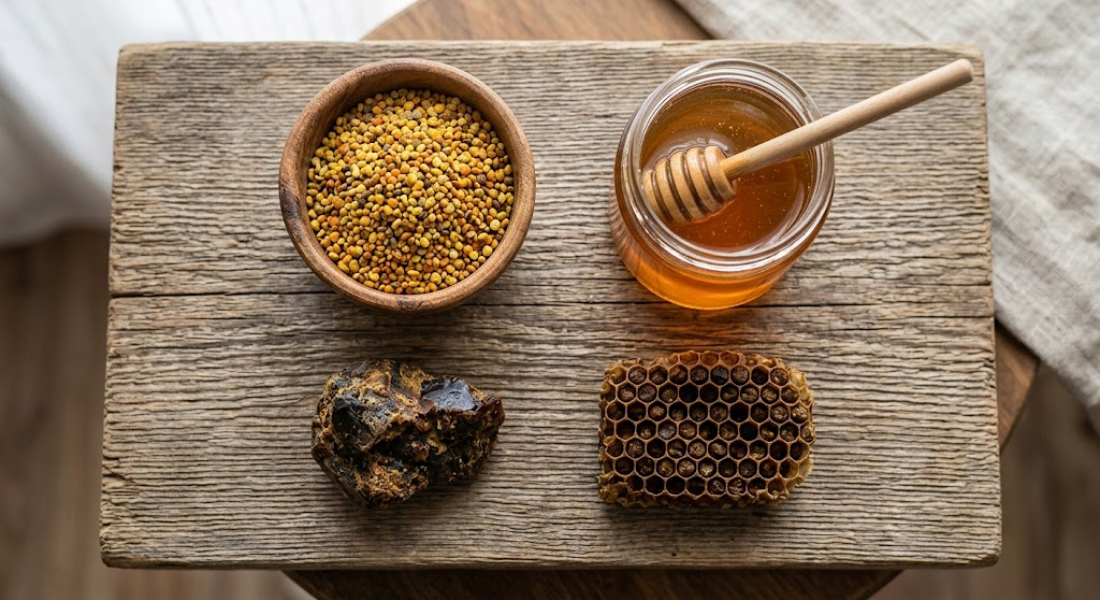
Bee pollen, bee bread (perga), honey, and propolis are different products with different compositions and effects. Pollen is raw plant material minimally processed by bees. Bee bread is the same pollen, but preserved in honeycombs with honey and enzymes and fermented for several weeks. This increases bioavailability but changes the composition.
| Product | What it contains | Main effect |
|---|---|---|
| Pollen | Protein, amino acids, vitamins, polyphenols | Immunity, energy, antioxidants |
| Bee bread (perga) | The same + lactic acid (fermentation) | Higher bioavailability, probiotic effect |
| Honey | Sugars, enzymes, antibacterial substances | Energy, antibacterial action |
| Propolis | Flavonoids, resins, essential oils | Antibacterial, antiviral action |
Bee pollen – composition and nutritional value
Vitamins and minerals in the composition
Pollen has an extremely diverse composition. Per 10 grams of dry pollen—approximately:
| Component | Amount per 10 g |
|---|---|
| Protein | 2–3 g |
| Carbohydrates | 5–6 g |
| Fats | 1–1.5 g |
| Vitamin C | 3–7 mg |
| Vitamin E | 1–2 mg |
| B vitamins (B1, B2, B3, B6) | 0.1–0.3 mg each |
| Iron | 0.5–1.5 mg |
| Zinc | 0.2–0.5 mg |
| Magnesium | 3–6 mg |
| Calcium | 5–10 mg |
The composition varies significantly depending on the source plants, collection region, and season. This is both an advantage (a broad spectrum of substances) and a challenge (hard to standardize).
Proteins, amino acids, and enzymes
15–30% of the dry mass of pollen is protein. More importantly, it contains all eight essential amino acids, including lysine, methionine, and tryptophan. For a plant product, this is rare. Bioavailability is lower than that of animal protein, but as a dietary supplement it is quite sufficient.
Pollen enzymes—amylase, protease, lipase—support digestion and help absorb nutrients. These enzymes are destroyed when heated above 42°C, so pollen should not be dissolved in hot liquids.
Antioxidants and biologically active substances
Pollen contains antioxidants in the form of flavonoids, carotenoids, and polyphenols. These substances are responsible for the anti-inflammatory effect and neutralization of free radicals. A 2019 study in the journal Oxidative Medicine and Cellular Longevity showed that the antioxidant activity of pollen is comparable to some recognized plant extracts—green tea and blueberries.
Rutin, quercetin, and kaempferol—the three main pollen flavonoids—have documented anti-inflammatory and cardioprotective effects. Rutin, in particular, strengthens blood vessel walls and reduces their fragility.
Bee pollen – main properties
Strengthening immunity
Pollen supports immunity through several mechanisms. Flavonoids stimulate the activity of macrophages—the “sanitation” cells of the immune system. Vitamin C supports antibody synthesis. Zinc participates in the maturation of T-lymphocytes.
A 2015 mouse study (Hossain et al., Journal of Ethnopharmacology) showed that regular pollen intake increased levels of IgA and IgG—key immunoglobulins—by 1.3–1.5 times compared to the control group. Human data are still limited, but clinical observations confirm a similar effect.
Especially relevant for those who get ARVI more than two or three times a year. A pollen course in autumn—4–6 weeks, 1–2 teaspoons per day—may reduce the frequency of colds by modulating the immune response.
Anti-inflammatory and antioxidant action
The benefits of flower pollen проявляється primarily through its anti-inflammatory effect. Quercetin suppresses the production of pro-inflammatory cytokines—the very substances that cause chronic “silent” inflammation associated with cardiovascular diseases, diabetes, and premature aging.
The antioxidant effect protects cells from damage by free radicals. This is especially relevant for people who live in cities with polluted air, smoke, or have increased physical нагрузки—all these factors increase oxidative stress.
Support for energy and tone
What bee pollen treats in the context of chronic fatigue is a common question. Here the mechanism is not magical: pollen contains carbohydrates for quick energy, B vitamins for energy metabolism, and iron for oxygen transport. Together this gives a boost in tone after 2–3 weeks of regular intake.
It is especially noticeable in people with скрытый iron or B-vitamin deficiency. If there is no such deficiency, the effect is present but weaker.
Bee pollen – effects on the body
Benefits for the cardiovascular system
The benefits of pollen for the heart come through rutin and quercetin. Rutin reduces capillary permeability and fragility, lowering the risk of microbleeds. Quercetin inhibits oxidation of LDL (“bad” cholesterol)—this process is key in the development of atherosclerosis.
A 2017 study in Nutrients showed that daily intake of 40 g of pollen for 30 days reduced triglyceride levels by 15% and improved the HDL/LDL ratio in patients with moderate hyperlipidemia. Not a substitute for medication, but as an adjunct—reasonable.
Effect on digestion
Bee pollen also shows properties regarding the gastrointestinal tract. Enzymes and fiber stimulate peristalsis and support microbiota balance. There are data that pollen flavonoids have a mild prebiotic effect—feeding beneficial bacteria Bifidobacterium and Lactobacillus.
Important: the effect on the GI tract is individual. In some people—especially with rapid dose increases—flatulence and discomfort are possible. You should always start with small portions.
Support for metabolism
How to use pollen to improve metabolism is a question that arises in people with excess weight or type 2 diabetes. Chromium and vanadium, present in pollen in микродозах, participate in regulating tissue sensitivity to insulin. Flavonoids reduce inflammation, which is one of the factors of insulin resistance.
This is not an alternative to treatment, but an addition. With diabetes—consultation with a doctor before starting is mandatory.
Bee pollen – for women and men
Benefits for women’s health
Bee pollen for women is useful in several directions. First—iron: women of reproductive age lose iron monthly, and even a small deficiency leads to chronic fatigue, paleness, and ухудшення concentration. Pollen supplies iron along with vitamin C, which increases absorption.
Second—B vitamins and folic acid. Folic acid is present in pollen in a moderate amount. For women planning pregnancy, pollen can be part of a balanced diet—but it does not replace specialized folic acid supplements in therapeutic doses.
Third—antioxidants that support the skin, protect cells from premature aging, and regulate inflammatory processes in PMS.
Effect on hormonal balance
The benefits of bee pollen for women are often linked to hormonal balance. There are data that pollen phytoestrogens—plant analogs of estrogen—can gently modulate hormonal background in women in perimenopause: reduce hot flashes, improve sleep and mood.
A 2015 study (Münstedt et al.) showed a reduction in the frequency and intensity of menopause symptoms in women who took pollen for 3 months. The effect is moderate but reproducible. Important: women with hormone-dependent diseases (breast cancer, endometriosis) should discuss taking pollen with a doctor.
Benefits for the male body
Bee pollen for men is interesting primarily because of its effect on the prostate and reproductive health. Zinc—a key mineral for testosterone synthesis and prostate health—is present in pollen in notable amounts. Flavonoids reduce prostate inflammation.
A clinical study in men with chronic prostatitis (Haidari, Iran, 2019) showed: taking 500 mg of pollen extract twice a day for 6 weeks reduced symptoms on the NIH-CPSI scale by 28% compared to placebo. Promising, but requires confirmation in larger studies.
Another benefit of pollen for men is endurance support. B vitamins and iron together provide an increase in physical energy, which is confirmed by sports observations.
Bee pollen – for skin and hair
Improving skin condition
Pollen for skin works through two channels: internally—via antioxidants and vitamins, externally—as an ingredient in masks. Carotenoids support skin cell regeneration. Vitamin E protects membranes from damage. Vitamin C stimulates collagen synthesis.
Pollen masks: 1 tsp pollen + 1 tsp honey + 1 tsp yogurt. Apply to the face for 15 minutes, rinse with warm water. Effect—moisturizing, slight brightening of tone, tightening. Noticeable after 6–8 applications.
Anti-aging properties
What bee pollen treats in the context of anti-aging is прежде всего prevention, not correction. Pollen polyphenols suppress inflammatory processes that accelerate skin aging. Enzymes support microcirculation. Flavonoids protect collagen fibers from destruction.
As with spirulina—starting to take pollen at 25–30 is more effective than at 55. But even at a mature age antioxidant support remains relevant.
Hair strengthening
Pollen for hair is also mainly through a systemic effect: zinc, iron, amino acids—building material for follicles. People with hidden deficiencies of these substances after 2–3 months of intake often note reduced shedding and improved structure of new hair.
Root mask: 1 tsp pollen + 2 tbsp olive oil, apply to the scalp for 30 minutes, wash off with шампунем. Stimulates blood circulation in follicles.
Bee pollen – how to take it correctly
Recommended dosage
How to take bee pollen depends on the goal:
| Goal | Dose per day |
|---|---|
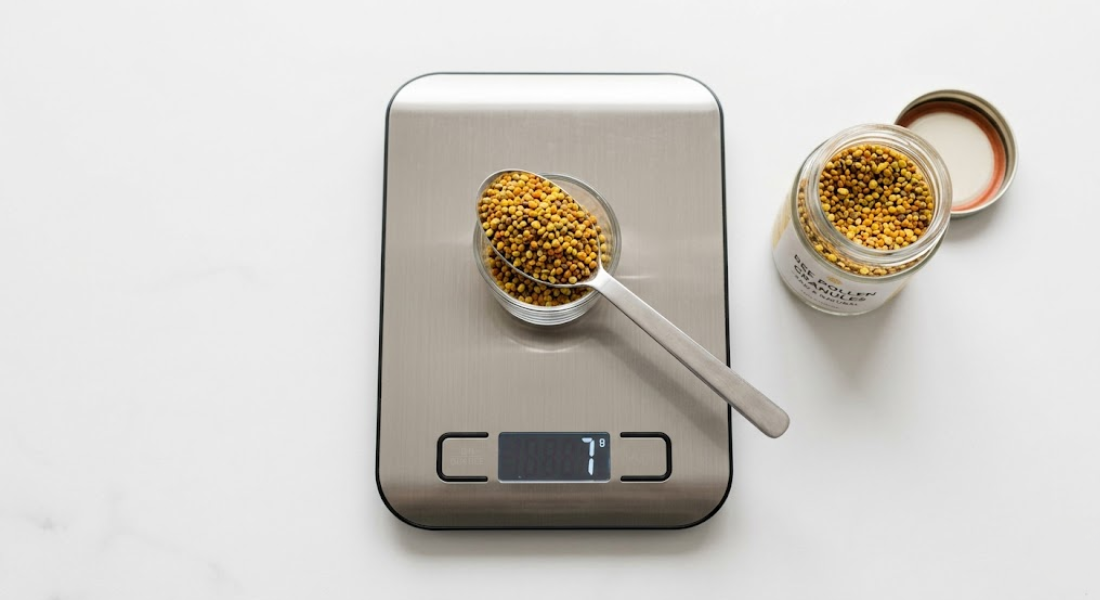
| General укреплення, prevention | 1 tsp (5–7 g) |
| Active immune support | 1.5–2 tsp (8–12 g) |
| Sports recovery | 2–3 tsp (10–15 g) |
| Older people (starting) | 1/2 tsp (2–3 g) |
Pollen dosage—always start with the minimum. The first week—one quarter teaspoon to assess the body’s reaction. The maximum daily dose for adults is 30–40 g, but such doses are used only in clinical protocols under medical supervision.
When it’s best to take it
Optimally—in the morning, on an empty stomach or 20–30 minutes before breakfast. Enzymes and active substances are better absorbed in an empty stomach. If there is GI sensitivity—take with a small snack.
Course: 1 month of intake, 1–2 weeks break. Continuous intake for more than 2 months without breaks is not recommended—to avoid excessive stimulation of the immune system and to preserve sensitivity to the product.
How to introduce it into the diet
Gradually. A week at a quarter spoon—assess tolerance. Next—half a spoon for another week, then reach the target dose. This approach almost completely eliminates stomach reactions and allows you to notice an allergy in time, if there is one.
Bee pollen – ways of consumption
In pure form
Place under the tongue and hold for 1–2 minutes until it dissolves—maximum absorption of active substances through the mucous membrane. Then drink water at room temperature. The taste is специфічний: slightly bitter, floral, each pollen has its own оттенок depending on the source plants.
With honey or water
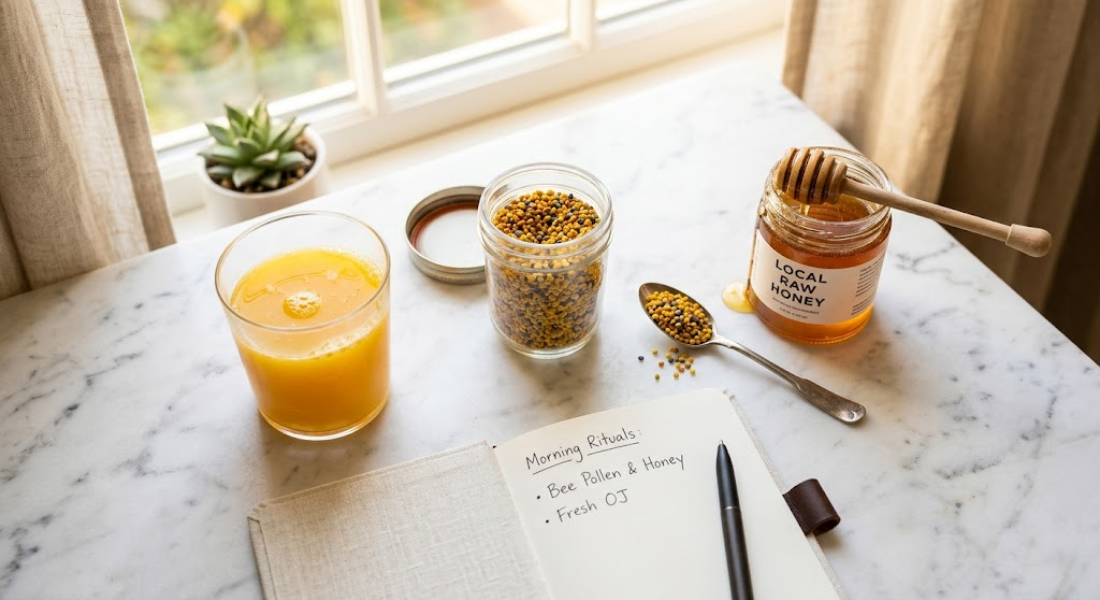
The most popular method: mix 1 tsp pollen into 1–2 tsp honey, eat with a spoon 20 minutes before meals. Honey improves absorption, masks bitterness, enhances antibacterial effect. Or mix in a glass of warm (not hot!) water with honey. Temperature—no higher than 40°C.
As part of drinks and dishes
Add to smoothies, yogurts, oatmeal, salads. One rule: no heat treatment. Pollen is not added to hot dishes—enzymes and some vitamins are destroyed. It pairs well with banana, berries, citrus (vitamin C enhances iron absorption).
Bee pollen – possible side effects
Allergic reactions
Pollen side effects—the most important section for those with allergies. Pollen is a potential allergen—it contains the same proteins that trigger hay fever. But here is the paradox: in some people, systematic intake of pollen in small doses may over time reduce sensitivity to allergens. This is similar to the principle of allergen-specific immunotherapy (AIT).
This does not mean that people with allergies can safely take pollen. On the contrary—it poses a risk of a serious reaction. Before starting—either a skin test or an analysis for specific IgE. At the slightest symptoms (itching, rash, swelling)—stop and consult a doctor.
Who should not use it
Pollen contraindications—a specific list:
- Allergy to plant pollen, bee products, or flowers.
- Autoimmune diseases—pollen stimulates the immune system, which may worsen the condition.
- Acute phase of any inflammatory disease.
- Pregnancy and breastfeeding—there are not enough safety studies.
- Children under 3 years—due to allergy risk and immature enzyme systems.
- Oncological diseases—some flavonoids may interact with chemotherapy.
Interactions with medications
The benefits and harms of bee pollen—in the context of medications—is an important topic. Pollen flavonoids may interact with anticoagulants (warfarin) due to vitamin K. When taking immunosuppressants—pollen may нивелювати their effect. With glucose-lowering therapy—it may усилить the hypoglycemic effect. If you take постоянные medications—consulting a doctor is mandatory.
Bee pollen – contraindications
Individual intolerance
The benefits and harms of bee pollen are not always obvious before the first intake. Even without a classic allergy, some people have sensitivity to specific pollen proteins. Test: ¼ tsp in the morning, observe for 24 hours. If there are no reactions—you can continue.
Chronic diseases
With chronic diseases of the liver, kidneys, pancreas—take pollen only after consultation with a specialist doctor. During exacerbations—abstain.
Pregnancy and children
For pregnant women—not recommended without a gynecologist’s approval. For children 3 to 12 years—the dose is half the adult dose, only after a pediatrician assesses allergy history. For adolescents—adult doses if there is no allergy.
Bee pollen – how to choose a quality product
Signs of quality pollen
How to choose pollen—what to look for:
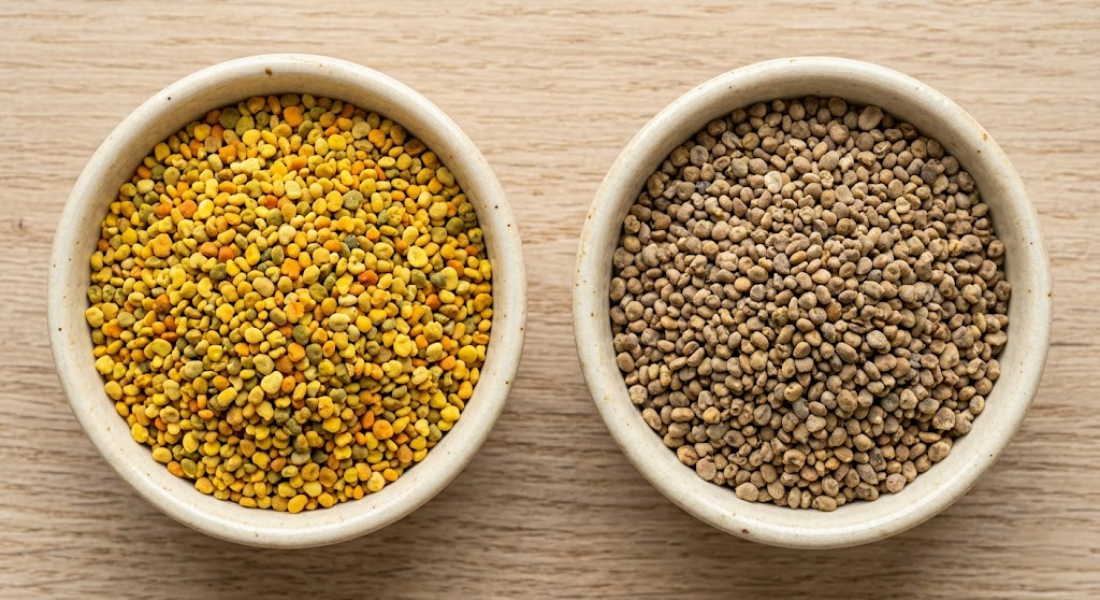
- Color: multicolored (yellow, orange, green, brown) is a sign of polyfloral pollen from different plants. Monochrome—from one type of flower, more predictable in composition.
- Smell: rich, floral-honey. Musty or chemical is a sign of improper storage or a fake.
- Moisture: well-dried pollen is loose, not clumping. Damp pollen clumps—risk of mold.
- Quality certificate or veterinary conclusion: a serious producer always provides documents upon request.
How to store properly
A dark, dry, cool place. In the refrigerator—up to 1 year. In the freezer—up to 2–3 years. After opening—in a tightly closed container, no more than 2–3 months at room temperature. A glass jar is better than plastic—it does not accumulate odors.
What to pay attention to when buying
How to choose pollen is not only about color and smell. Look at the harvest date (ideally—the current year or the previous one), the region (pollen from чистых agricultural areas is better), the packaging type (vacuum or airtight better preserves active substances). The price of quality pollen in Ukraine is approximately 150–300 UAH per 100 g. Significantly cheaper is a reason for doubt.
Bee pollen – comparison with other products
Pollen vs bee bread (perga)
Pollen or bee bread is a question of bioavailability and composition. Bee bread is fermented pollen preserved in honeycombs. Due to lactic acid fermentation, the cell walls of pollen are partially broken down, and nutrients are absorbed better—by 20–30% compared to fresh pollen. Bee bread is more expensive, rarer, but more effective for people with weak digestion.
If the GI tract is healthy—pollen and bee bread give a similar result. If there are digestion problems—preference should be given to bee bread.
Pollen vs honey
Honey is mainly a carbohydrate product (80% sugars) with antibacterial properties. Pollen is a protein-vitamin concentrate with antioxidants. They complement rather than replace each other. A mixture of pollen with honey is synergistic: honey increases the stability and absorption of pollen’s active substances.
Pollen vs propolis
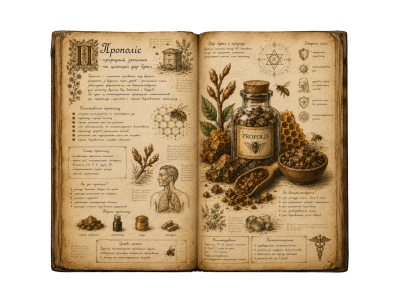
Propolis is a resinous substance that bees collect from tree buds. Its main effect is antibacterial, antiviral, antifungal. Pollen is for systemic support of the body. They work at different levels and are often combined: propolis—for protection against infections, pollen—for overall strengthening.
Bee pollen – pros and cons
Main advantages
- A natural product without synthetic additives—what is treated with bee pollen is confirmed not only by tradition but also by research.
- A wide spectrum of nutrients in one product.
- Documented effect on immunity, cholesterol, prostate condition.
- Suitable for long-term use (with breaks).
- Combines well with other bee products and natural supplements.
Possible disadvantages
- Allergenic potential—the main risk.
- Non-standardized composition—each batch differs depending on region and season.
- Lower bioavailability compared to bee bread.
- Limited number of large-scale clinical studies in humans.
- Prohibited in a number of diseases and during pregnancy.
Who it is best suited for
Pollen is a natural product, optimal for: people with frequent ARVI and weak immunity, athletes who need recovery, women in perimenopause, men with chronic prostatitis, people with hidden iron and B-vitamin deficiencies.
Bee pollen – tips for a better effect
How to increase absorption
Hold under the tongue for 1–2 minutes before swallowing. Combine with vitamin C (citrus, smoothies). Avoid hot drinks right after intake. Do not drink it with coffee or tea—tannins reduce absorption.
What to combine with
Pollen combines well with honey, bee bread, propolis (comprehensive apitherapy), omega-3, turmeric (synergistic anti-inflammatory effect), probiotics (microflora support for better absorption). It should not be taken simultaneously with antibiotics—it will reduce their effectiveness.
Typical mistakes
- Starting with large doses—leads to stomach reactions and disappointment.
- Dissolving in hot liquid—destroys enzymes.
- Buying a cheap product of unknown origin—risk of contamination.
- Expecting an immediate effect—results are noticeable after 3–4 weeks.
- Taking it without breaks for longer than 2 months.
Bee pollen – FAQ
Can pollen be taken every day
Yes, in recommended doses and in courses (1 month of intake, 1–2 weeks break). Daily intake without breaks for longer than 2 months is not recommended. People with allergies or autoimmune conditions—only after consulting a doctor.
How soon is an effect visible
Energy and tone—after 2–3 weeks. Immunity (reduced frequency of ARVI)—noticeable after 4–6 weeks. Skin and hair condition—after 2–3 months. Cholesterol (by lab tests)—after 4–6 weeks of regular intake.
Does pollen help immunity
Pollen for immunity—yes, there are documented data. Flavonoids and zinc stimulate the immune response, vitamin C supports antibody synthesis. The effect is most pronounced in people with initially reduced immune status. It does not replace vaccination and does not treat infections, but it reduces the frequency of illness with a preventive course.
What dosage is safe
A safe dosage is 1–2 teaspoons (5–10 g) per day for adults without allergies. Start with a quarter teaspoon. The maximum in studies is 40 g/day in a short course under medical supervision. For children 3–12 years—half the adult dose. For children under 3 and pregnant women—only with a doctor’s permission.
Sources and studies
- Hossain MF et al. Nutritional value and medicinal benefits of pollen. Journal of Ethnopharmacology, 2015.
- Münstedt K et al. Bee pollen and its effects in the treatment of climacteric complaints. Phytotherapy Research, 2015.
- Komosinska-Vassev K et al. Bee Pollen: Chemical Composition and Therapeutic Application. Evidence-Based Complementary and Alternative Medicine, 2015.
- Nordin A et al. Antioxidant capacity and total phenolic content of bee pollen. Asian Pacific Journal of Tropical Biomedicine, 2019.
- Rzepecka-Stojko A et al. Polyphenols from Bee Pollen: Structure, Absorption, Metabolism and Biological Activity. Molecules, 2015.
If you have questions or want to choose quality bee pollen—Lavka Molfara will always help you with your choice.
Write a comment