
 Delivery and payment






-100x100.png)
-100x100.png)








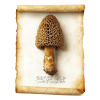
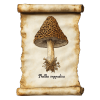


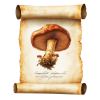
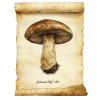

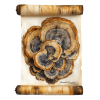


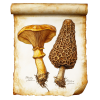





























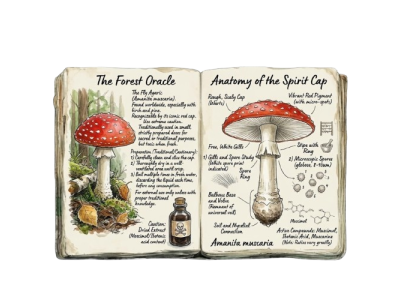
The fly agaric mushroom, known for its bright red cap with white spots 🍄, is often associated with danger and toxicity. However, this mushroom has many interesting and useful aspects that are worth considering.
1. Medicinal properties
Studies show that fly agaric mushrooms contain a number of biologically active compounds that may have medicinal properties:
- Amino acids 🧬: Amanita muscaria is rich in amino acids, which are essential for the normal functioning of the body.
- Antioxidants 🛡️: These compounds help fight free radicals, which can prevent cell aging.
- Anti-inflammatory properties 🔥: Some studies indicate the possibility of using fly agaric in the treatment of inflammatory processes.
2. Use in folk medicine
In folk medicine, fly agaric is used to treat various diseases:
- Skin diseases: Tinctures made from fly agaric mushrooms are used to treat eczema and psoriasis.
- Digestive problems 🍽️: It is believed that fly agaric can improve gastrointestinal function.
3. Ecological role
The fly agaric plays an important role in the ecosystem:
- Symbiosis with trees 🌳: Fly agaric mushrooms form mycorrhiza with tree roots, which promotes their growth and development.
- Supporting biodiversity: This mushroom is part of the food chain and helps keep nature balanced.
4. Cultural significance
The fly agaric mushroom also has great cultural significance:
- Symbolism 🔮: In many cultures, the fly agaric mushroom is associated with magic and mysticism.
- Art✏️: The bright appearance of the fly agaric inspires artists and designers to create new works.
So, the fly agaric is a true hero of nature 🌿, with many useful properties. Its significance goes beyond the simple perception of it as a poisonous mushroom, opening up new horizons for research and use in medicine and ecology.
20 november 2024 (17:29)
30 january (15:50)
0
20406



















Write a comment