
 Delivery and payment








-100x100.png)
-100x100.png)



















































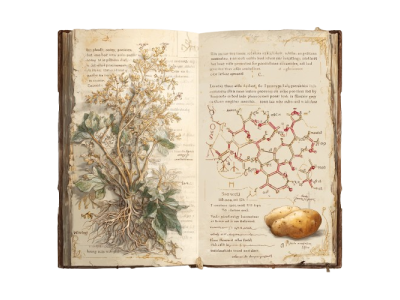
Polysaccharides? That sounds complicated. But in reality, we come across them all the time. Imagine long chains made up of tiny "building blocks" of sugar. That’s exactly what they are—complex carbohydrates, or polysaccharides. They don’t have much of a taste, unlike the sucrose we’re more familiar with, but they play a huge role in our bodies.
Where do polysaccharides live, and what do they do?
These molecules are literally everywhere. In plants (starch in potatoes), in animals (glycogen—our energy reserve in the liver and muscles), in bacteria, and, of course, in fungi. 🍄
They can also be divided into two broad categories: absorbable and non-absorbable.
Carbohydrates—these are our fuel. For example, starch and glycogen. The body easily breaks them down into glucose and uses them to generate energy for movement, thinking, and simply for living.⚡
Indigestible fibers aren’t digested in the traditional sense. Their main job is to act as “super” fiber. They help food move through the intestines and create a comfortable environment for our beneficial bacteria (microbiota), thereby supporting overall digestive health. 🦠
Other beneficial properties of polysaccharides
Supplying the body with energy and supporting the digestive system are not the only beneficial properties of polysaccharides. They are also capable of:
- Regulate the immune system. But not just "turn it on" or "turn it off." They finely tune it, helping the body stay in top shape and fight off viruses and bacteria more effectively. 🛡️
- Support recovery. After physical exertion or illness, they support recovery processes by accelerating regeneration.
- Affect metabolism. They help maintain optimal blood sugar and cholesterol levels.
- Affect mood and cognitive function. Polysaccharides reduce anxiety, improve mood, and help combat fatigue. 🧠
And to get the most out of these sugar chains, you should consider mushrooms.
Why mushrooms, specifically?
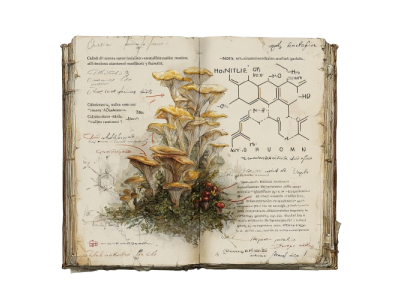
There is a special group of mushrooms. They are known as functional mushrooms. They produce unique and active polysaccharides. The main one is beta-glucans. These have a complex branched structure, which makes them harder for our bodies to digest. However, beta-glucans actively interact with the immune system, helping it work more effectively. 🧬
But mushrooms are not just polysaccharides. They contain a whole arsenal of beneficial compounds. Triterpenes (which give a bitter taste, as in reishi, and have a host of properties), lectins, antioxidants, and various enzymes. They all work together to create that same powerful synergistic effect.
Top 5 Mushrooms by Polysaccharide Content
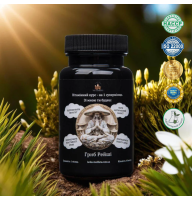
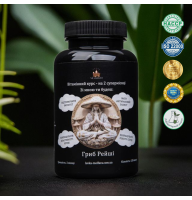
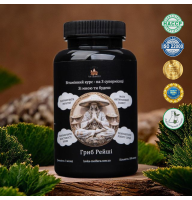
Reishi (Ganoderma lucidum). Its beta-glucans are powerful immunomodulators. Plus, its triterpenes and antioxidants support liver and vascular health and help the body adapt to stress. 🌿
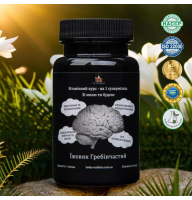
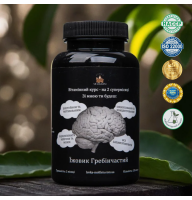
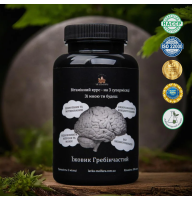
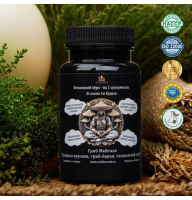
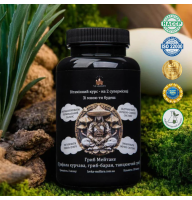
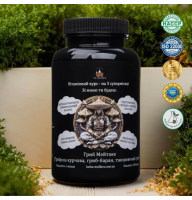
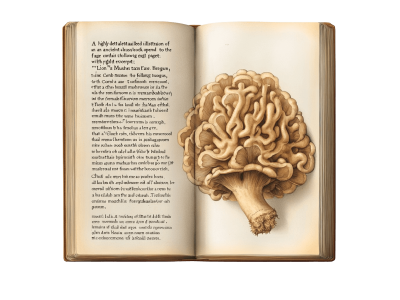
Lion's Mane (Hericium erinaceus). A mushroom for the brain and nerves! Its polysaccharides — "fuel" for neurons. They help support memory and concentration, reduce anxiety, and improve mood. The perfect companion for active mental work. 🧩
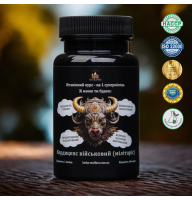
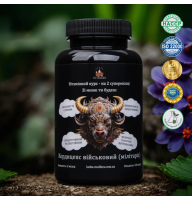
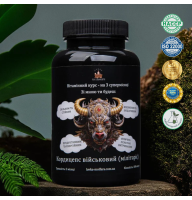
Cordyceps Known for helping to boost endurance, combat fatigue, and improve oxygen utilization. Its polysaccharides are a key component of this energy-boosting supplement. An excellent choice for those who want to get more done and feel less tired.
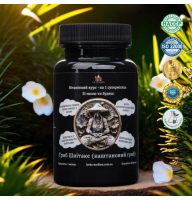
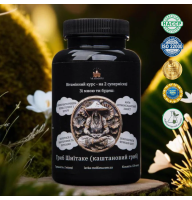
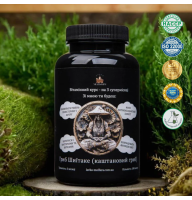
Shiitake In addition to being rich in polysaccharides, it contains a unique beta-glucan called lentinan. Lentinan is known for its ability to support the immune system. It also contains substances that help keep cholesterol levels in check.
Maitake. A true master of metabolism. Its unique "D-fraction" of polysaccharides has been extensively studied for its role in supporting healthy blood sugar levels and overall metabolism. It's also an excellent immune booster. 🍽️
Medicinal mushrooms are arguably one of the most powerful and fascinating natural sources of polysaccharides. By adding them to your diet in capsule form, you provide your body with natural, comprehensive support. No chemicals or GMOs—just maximum natural benefits and protection. 🌱
If you have any questions, feel free to contact us—we'll be happy to help.



Write a comment