
 Delivery and payment





-100x100.png)
-100x100.png)
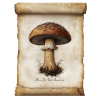
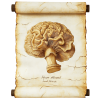
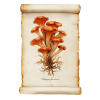
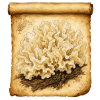
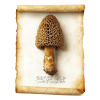
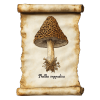
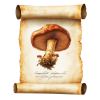
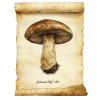

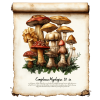
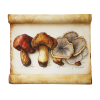
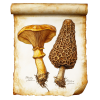















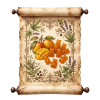



As soon as the forest glades begin to darken and smell of damp earth, mushroom pickers go on a quiet hunt for their first trophy of the year: morels. These strange mushrooms, resembling alien honeycombs or walnuts, have been considered a delicacy on royal tables for centuries. But few people realize that behind their gastronomic value lie powerful healing properties. Today we will examine not only their taste, but also the benefits of morels, how not to confuse them with their poisonous doppelgangers, and why ophthalmologists advise looking at them more closely than blueberries.
What kind of mushroom is this?
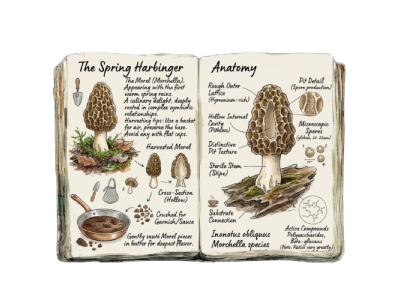
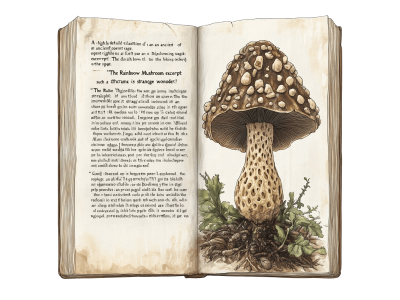
Morel (Morchella) belongs to the sac fungi and prefers complex locations in coniferous and mixed forests. For example, humus soil, clearings, thickets. It is easy to recognize by its porous cap. There are several species, but most often the so-called "true morel" and its counterpart end up in baskets. Mushroom pickers are often interested in the conical morel, which has the same benefits as the classic species, but with a more elongated and pointed cap.
All these mushrooms are true ephemeroids. They appear for only a couple of weeks. It is during this short period that the concentration of active substances in them is at its highest. If you ask what is useful about morels from a biochemical point of view, they are a rare source of polysaccharides that work at the cellular level. But first things first.
What are morel mushrooms good for?
It's not just protein and water. It's a concentrate of micronutrients that restores immunity weakened over the winter. The benefits of morels lie in their flesh, which contains a mix of vitamins — from B1 and B2 to ascorbic acid, group D, and niacin (PP).
In terms of phosphorus content, morel mushrooms can easily compete with good fish. They contain potassium for the heart, calcium for strong bones, and phosphorus, which is so necessary for our brain. The fact that morel mushrooms contain about 3% nitrogen compounds and 1% natural sugar makes them extremely nutritious.
And, of course, aromatic substances. They are responsible for the unique smell that makes morels so beloved.
But the main feature is the substance FD-4. It is a compound that makes the healing properties of morels unique in the world of ophthalmology.
Morels are beneficial for vision and joints
The benefits of morel mushrooms have been proven by modern research in two key areas of application:
- Vision. Mushrooms strengthen weakened eye muscles. Unlike blueberries, which work on the blood vessels of the retina, substances found in flexible mushrooms prevent clouding of the lens. That is why flexible mushrooms are beneficial in preventing cataracts and age-related farsightedness.
- Musculoskeletal system. Tinctures made from them have traditionally been used to treat rheumatism. Morels, whose medicinal properties are especially valued in the treatment of joint diseases, have a pronounced anti-inflammatory effect, which helps to relieve swelling and reduce pain in arthritis.
In summary, morel mushrooms have beneficial properties as a powerful tonic for the entire body. They stimulate blood circulation, improve appetite, and regulate metabolism after winter.
Morels: benefits and harms
The main thing to pay attention to is the benefits and harms of morel mushrooms. After all, these are conditionally edible mushrooms. When fresh, they contain the toxin gyromitrin (albeit in smaller doses than in morels).
To ensure that morel mushrooms, whose beneficial properties are undeniable, do not land you in hospital, you must adhere to one ironclad rule: never eat them raw!
The toxin is destroyed only under two conditions:
- boiling for at least 15–20 minutes, then draining the broth (the poison is released into the water);
- prolonged drying (at least 3 months), during which toxins oxidize and disappear.
Only after such processing do morels become exceptionally healing.
How to cook morels?
Many housewives, knowing how useful morel mushrooms are, are afraid to cook them. And in vain. After preliminary boiling, it is one of the most delicious mushrooms in the world.
The perfect pairing for them is butter and sour cream. Fats help absorb fat-soluble vitamins, and this combination allows you to reap the full benefits of morel mushrooms. Mushrooms stewed in cream are considered a classic French dish.
Boiling and stewing morels is a gastronomic delight, considered a real delicacy in the United States and called "mushroom truffles." But high temperatures kill most of those vitamins and unique polysaccharides. You get a delicacy, but you lose the medicine.
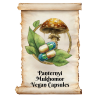
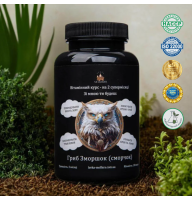
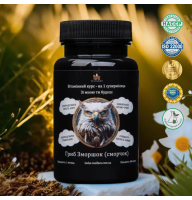
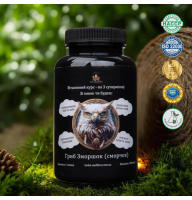
If your goal is to get the most out of morels for your eyesight, joints, and immunity, the only safe and 100% effective option is properly dried mushrooms in capsules.
Capsules eliminate the risk of poisoning from undercooked mushrooms. Instead, you get a pure health concentrate in a convenient format.
Want to maintain your eyesight and forget about joint pain without waiting for the short spring season? Go to the Lavka Molfara website and take a step towards health right now.

Write a comment