 Delivery and payment


-100x100.png)
-100x100.png)
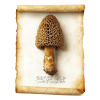
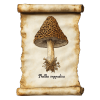
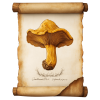
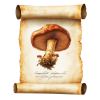
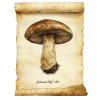
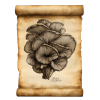
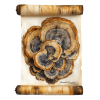
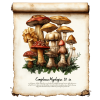
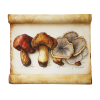
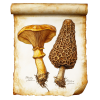















When we see mushrooms in the forest, we usually only picture their fruiting bodies. These are the bright caps and stems that we can pick to use in cooking. But the real life of a mushroom takes place underground. It is here that the main structure—the fungal mycelium—unfolds.
What is mycelium?
To put it simply, the mycelium is the actual body of the fungus, the part that lies underground. What we usually call a mushroom (the cap and stem) is merely its temporary fruiting body🍄.
This mycelium looks like a multitude of fine threads, resembling a spider’s web. They spread through the soil or wood and function like roots, seeking out nutrients and water for the entire mushroom. That is why, when the weather turns favourable, mushrooms spring up from the ground in whole clusters. In other words, the mycelium of fungi is an underground network that is always ready to provide the world with a future product for microdosing.
The role of mycelium in the life of fungi
Mycelium is not only a nutritional component but also an ecologically important structural element in the life of fungi:
- Nutritional function🥣. The hyphae of the mycelium release enzymes that break down organic matter into simple components. This enables the fungus to absorb complex compounds, such as lignin in wood or proteins in the soil.
- Reproduction and dispersal🌱. The mycelium of fungi forms the basis for asexual reproduction. Parts of the mycelium can break up into fragments, each of which is capable of giving rise to a new organism.
- Protection and interaction with the ecosystem🛡️. Mycelium is capable of producing antibiotics and other biologically active substances that protect the fungus from bacteria, other fungi or harmful microorganisms.
- Symbiotic relationships🤝. Some fungi form mycorrhizae — a symbiotic relationship between the mycelium and plant roots. This improves the plants’ nutrition, whilst the fungus obtains carbohydrates.
And if you’d like to learn more about the properties of mushrooms, their effects and how to take them, we recommend getting our comprehensive guide. Simply message our managers in any chat “Mushroom Guide”, and you’ll receive a detailed guide on mushrooms, including information on mycelium, medicinal properties and safe use.
Mycelium vs. Fruiting body: which is better for your health?
This is a key issue in mycotherapy. Different fungi have different profiles of beneficial compounds.
- The fruiting body is often rich in complex polysaccharides (such as beta-glucans), which have powerful immunomodulatory effects. For mushrooms such as reishi, shiitake or chaga, the fruiting body is the primary source of these substances.
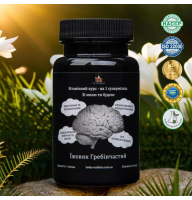
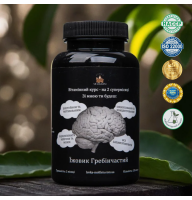
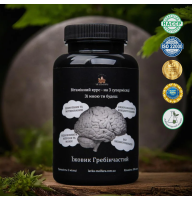
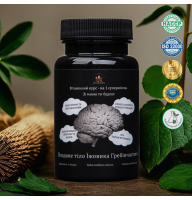
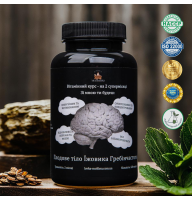
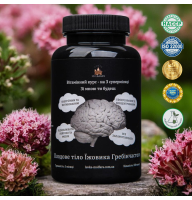
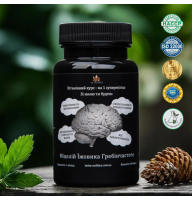
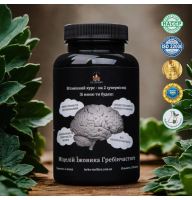
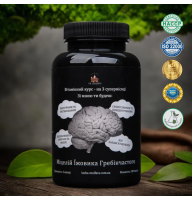
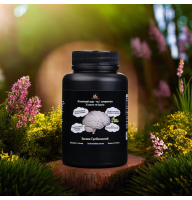
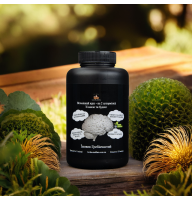
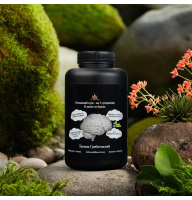
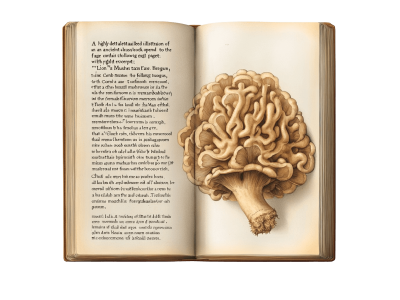
- Mycelium, on the other hand, may be a more potent source of other valuable compounds. For example, in the comb mushroom, it is the mycelium that concentrates substances (erinacins) which stimulate the production of nerve growth factor, making it indispensable for brain health.
Therefore, to achieve the best results, a comprehensive approach is often required, combining extracts from both the fruiting body and the mycelium. For example, reishi mycelium is ideal for supporting the nervous system, whilst reishi fruiting body extract is ideal for boosting the immune system.
Facts about mycelium you should know
- 🧠Mycelium as the ‘brain’ of the fungus. It is not merely nutritious, but actively picks up signals from the surrounding environment, sensing changes in temperature, humidity, light and the presence of toxins.
- 💊Bioactive compounds are concentrated in the mycelium. It is here that enzymes, antioxidants and polysaccharides accumulate, before being transferred to the fruiting bodies. In other words, simply eating mushrooms is not always enough to achieve a therapeutic effect — it is important to consume the right mycelium product.
- 🌍Mycelium ‘remediates’ the soil. Thanks to their extensive mycelium, certain species of fungi (such as the rainbow mushroom) are capable of removing petroleum products and heavy metals from the soil. This process is known as mycoremediation.
However, the entire mycelium is safe to eat. At home or at the market, you may come across poor-quality mycelium. Only mycelium grown on complete food substrates (such as grain), rather than on a high-carbohydrate medium, is effective. Only in this way does it accumulate the full spectrum of active compounds. It is therefore advisable to choose products from manufacturers who adhere to strict quality standards at every stage — from harvesting to the production of capsules.




Write a comment