
 Delivery and payment




-100x100.png)
-100x100.png)
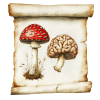
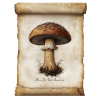
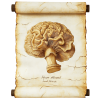
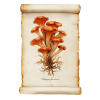

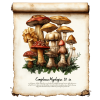
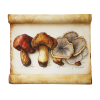
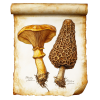

















When we hear about the famous Shaolin Buddhist monastery, we picture monks performing incredible physical feats, meditating for hours on end, and gazing with a calm, focused expression. But the true secrets of Shaolin lie not in spectacular strikes or acrobatics. Their strength lies in a way of life that unites body, mind and spirit.
At the heart of this approach lie discipline, harmony with nature, and the use of nature’s bounty to promote good health. And it is here that we begin to understand why medicinal mushrooms🍄 feature so frequently in the monks’ practices.
Practices as a way of life
Shaolin monks live by the principle that the body 🧘♂️ is a temple for the spirit. Their day consists of repetitive practices:
- Meditation 🧠 — a daily exercise for the mind. It helps to calm the chaos of thoughts, maintain emotional balance and develop mindfulness.
- Breathing exercises 🌬️ (qigong, pranayama) — teach you how to manage your life energy (qi). It’s not just about finding peace of mind, but also about improving the functioning of your lungs, heart and brain.
- Physical training 💪 — exercises for strength and endurance. They often resemble martial arts, but are actually meditation in motion.
- A simple diet 🥗 — the monks eat sparingly, favouring plant-based foods and natural remedies to keep themselves healthy.
This approach fosters a holistic approach to life, from the way you breathe and move to what you put on your plate.
Why are mushrooms part of Shaolin?
In traditional Chinese medicine, mushrooms have always held a special place. It was believed that they were capable of sustaining the body’s internal fire and maintaining energy balance. Shaolin monks used them to boost stamina, mental clarity and longevity.
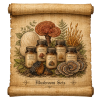
Three of the most important fungi are:
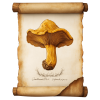
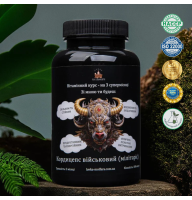
- Cordyceps. This mushroom is known as a gift from the mountains, as it is harvested in the highlands of Tibet. Monks believe that cordyceps fills the body with the strength of the mountains, improving breathing and stamina. Thanks to it, cells utilise oxygen more efficiently, which means less fatigue and more energy for daily training and deep meditation. A natural source of strength that nourishes rather than depletes.
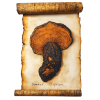
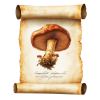
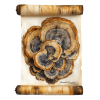
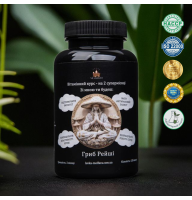
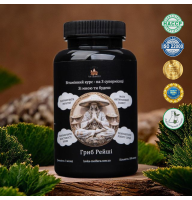
- Reishi, or the mushroom of immortality. For Shaolin monks, reishi is much more than just a tonic. It is the key to inner peace. It calms the mind, strengthens the body’s defences and helps restore balance even after hours of training. Whilst cordyceps gives strength to the body, reishi brings peace to the soul.
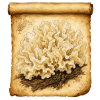
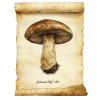
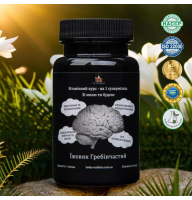
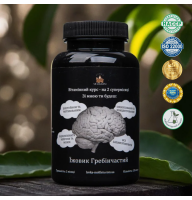
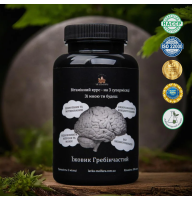
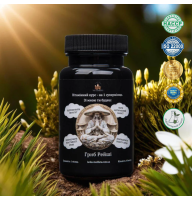
- The hedgehog mushroom. This unusual white mushroom with long filaments supports memory, concentration and the nervous system. In monastic practices, it is considered a “gift for mental clarity”. Reishi stimulates the production of nerve growth factors, which helps the brain to regenerate and function more effectively. It is thanks to this that monks remain focused and attentive even in challenging conditions.
So, three little mushrooms, three different actions — perfect harmony for mind and body🧩.
What can we use today?
We live at a different pace, but the Shaolin approach remains relevant to us today. There is nothing supernatural about it:
- Regular meditation helps to manage stress;
- breathing exercises support heart and lung health;
- Natural remedies, such as mushrooms, boost stamina and mental clarity.
Cordyceps for energy, reishi for calm, and chaga for the brain. Together, they create the balance between body and mind that Shaolin monks strive for.
Final thoughts
So the secrets of Shaolin are not about magic or mythical practices. They are about the harmony ⚖️ between discipline, simplicity and the wisdom of nature. Their traditions remind us that to be strong and healthy, we must train not only our bodies but also our minds.
And perhaps this is the true secret to a long life. It lies in the combination of inner peace, daily practices and those little gifts from nature that have been helping people for thousands of years — such as cordyceps, reishi and sea buckthorn.


Write a comment