 Delivery and payment






-100x100.png)
-100x100.png)



























Almost all of us have, at least once in our lives, eaten something ‘extra’ not because we were hungry, but because… we fancied it🍽️. We wanted to unwind after a tough day, lift our spirits, or simply ‘feed’ our boredom. This is what emotional overeating is all about. And if this happens often, we end up not only with extra weight but also with feelings of guilt and helplessness.
But the good news is that this isn’t a death sentence. Once you understand how your mind and body work, you can change the script. 🌟
The psychosomatics of overeating — what it is and how it works
Psychosomatics is the connection between our emotions, thoughts and physical state. When we overeat due to stress, it isn’t simply a matter of ‘weak willpower’. It is the way in which our body tries to cope with emotional strain.
For example: you have an argument with a colleague, you feel irritated — and suddenly you feel the urge to eat something sweet 🍰. At that moment, food becomes a kind of ‘calming agent’. The brain gets a hit of dopamine, and we feel temporary relief. The problem is that the stress doesn’t go away, and the habit of eating to cope with it becomes ingrained.
Why and when do we overeat?
- post-work stress — evening 'raids' on the fridge — a classic example;
- emotional eating — sadness, anger, disappointment, and even joy sometimes drive us to eat; 😢😡😄
- lack of sleep — when we don’t get enough sleep, our appetite hormones (ghrelin and leptin) become unbalanced, and we constantly feel like eating; 💤
- Old habits — “Don’t leave anything on your plate”, “Food is a reward” — phrases from our childhood that continue to influence us as adults.
It is important to learn to recognise the moment when food ceases to be a physical need and becomes a way of escaping from one’s emotions.
How to stop overeating — a five-step strategy
There’s no point in simply ‘banning’ yourself from eating certain foods— that almost always ends in a relapse. It’s better to address the underlying causes:
- Mindfulness. Before you eat anything, ask yourself: “Am I really hungry, or do I just want to lift my mood?” You could keep a simple food and mood diary to identify your triggers.
- Cognitive-behavioural approach. Try to analyse your automatic thoughts: “I’ve already ruined my diet, I’ll have another cake” — this is a trap. Instead, you could say to yourself: “One extra snack isn’t a failure. My next meal will be a healthy one.”
- Routine and sleep. Regular meals, 7–8 hours of sleep and at least 20 minutes of exercise a day work wonders for your appetite and mood.
- Micro-habits. Chew slowly, put your cutlery down between mouthfuls, and savour the flavour. It may seem like a small thing, but it really does help you stop in time.
- And the final step is to allow yourself to be helped. If your subconscious mind is constantly coming up with new reasons to fail, try giving it the tools it needs to get back on track. Namely, mushrooms.
How mushrooms can help
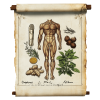
Microdosing isn’t a magic pill. But these mushrooms are capable of influencing our subconscious, or helping it to break free from the trap of relying solely on food for a quick dopamine fix. These include:
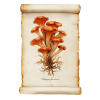
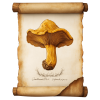
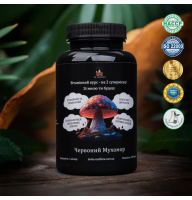
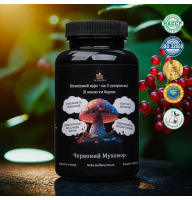
- 🍄 The red fly agaric has a calming effect and can help reduce the stress that often triggers overeating;
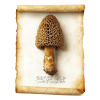
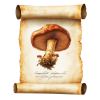
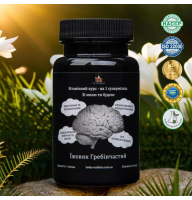
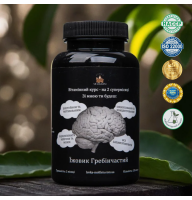
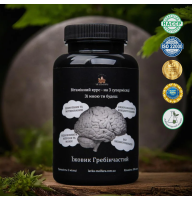
- 🧠 Comb ginseng helps maintain mental clarity, concentration and emotional stability — which is important when you’re working on new habits;
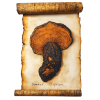
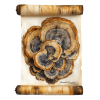
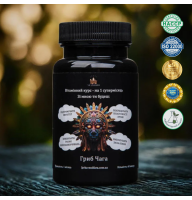
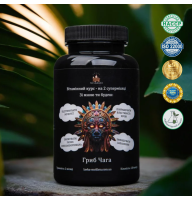
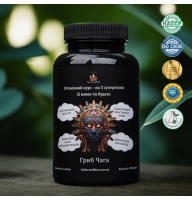
- ⚡Chaga strengthens the body and helps restore energy balance, which also reduces the ‘need’ for food as a source of energy.
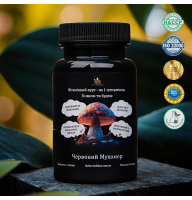
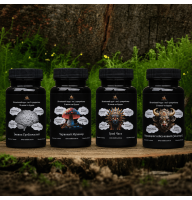
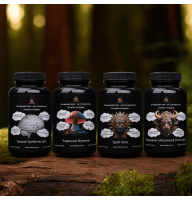
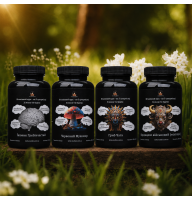
And the “New Body” set combines all three mushrooms, delivering a comprehensive solution to the psychosomatic causes of overeating.
Why will this work?
Because working on your eating habits isn’t just about ‘eating less’. To lose weight and maintain a healthy weight, it’s important to understand why we eat more than we need to. It’s also about reducing anxiety, boosting energy levels and improving your ability to make mindful decisions. 🌱Only then do you have a chance of changing your habits for good.


Write a comment