
 Delivery and payment






-100x100.png)
-100x100.png)

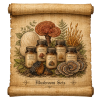
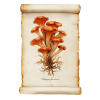












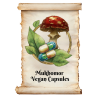
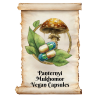













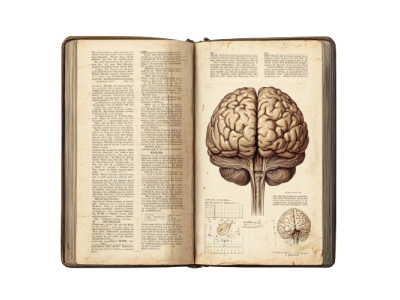
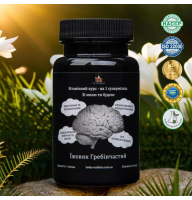
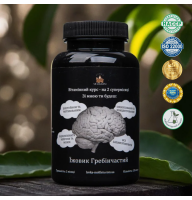
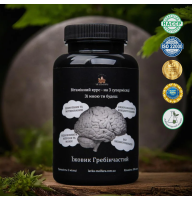
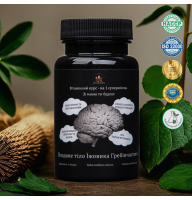
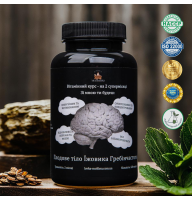
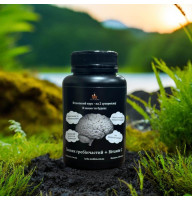
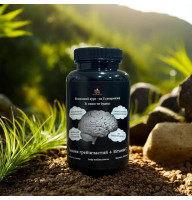
It seems that if mushrooms had their own league of superheroes, Lion's Mane would be a brain hacker in a cloak. No hallucinations, just improved concentration, memory, mood — and nerves that don't shake your fingers every time you get a message in your messenger 📱.
A mushroom with such a name simply could not be ordinary. And it's no wonder that the entire nutraceutical community — from IT specialists to yogis — is buzzing about it right now.
What is a lion's mane?
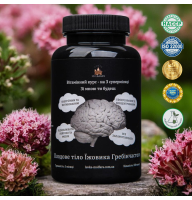
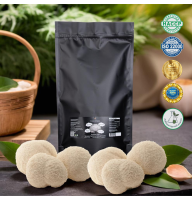
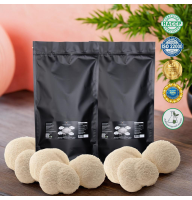
This is a functional mushroom with the scientific name Hericium erinaceus, or "lion's mane for your brain." It grows on trees 🌳 and looks like a fluffy white hedgehog or an old wizard's wig 🧙♂️.
Inside, there is a complete set: erinacines and hericenones (active compounds that stimulate the growth of new nerve cells).
What does this mushroom offer?
Memory and focus
It's not magic, it's neurogenesis. That is, it stimulates the growth of new neurons. It's ideal if you're learning something new or forgetting why you walked into the room.
Less anxiety
Studies show: Lion's mane can reduce symptoms of anxiety and depression.
The best sleep
When your nervous system is calmer, it's easier to fall asleep and wake up feeling refreshed 🌙.
Support for the nervous system
Restores myelin — insulation for neurons — so they work better and longer.
How to take it?
The standard dose is 500–1000 mg per day, but it is better to start with a smaller dose and see how you react.
Who is it suitable for?
- Students during exam season 🎓
- For people with "brain fatigue" from stress and information overload
- For those who have experienced emotional burnout
- Simply for those who want to "turn on their brains"
Are there any contraindications?
Usually, no. But if you have autoimmune or serious chronic diseases, are pregnant or breastfeeding, it is better to consult your doctor.
Conclusion: Lion's Mane is not for a "high," but for inclusion. It works steadily, and after a couple of weeks, your brain will say "thank you" 🧠💪.


Write a comment