
 Delivery and payment








-100x100.png)
-100x100.png)



















































Andrew Huberman is an American neurobiologist and Stanford professor who has gained popularity through his podcasts 🎙️ and lectures on brain health, productivity, and a science-based approach to lifestyle. His audience includes athletes 🏋️♂️, scientists, and everyday people who want to feel, think, and perform better.
The basics, not a magic pill
Hubermann never talks about “quick fixes.” He never promises them. On the contrary, he emphasizes that supplements only make sense when they are part of a comprehensive regimen. A consistent routine involving sleep, nutrition, physical activity, and light hygiene 🌞 is essential.
But his approach is all about personalization: analysis, monitoring your condition, and gradually adding what you really need. In this context, Huberman recommends various nutrients, including omega-3, vitamin D3, and functional mushrooms—such as lion’s mane for the brain and cordyceps.
Why do mushrooms attract attention?
Among the full range of nutrients, Huberman also highlights certain medicinal mushrooms. He views them as a supportive element for maintaining concentration, memory, emotional balance, and stamina. Scientific studies confirm that bioactive compounds in mushrooms can influence the nervous system, the immune system, and even metabolism 🔄.
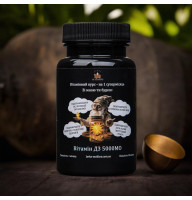
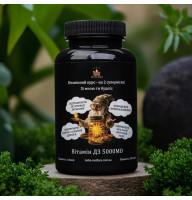
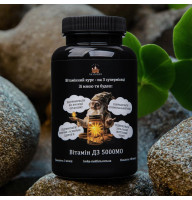
Vitamin D3 ☀️
Vitamin D3 is one of the nutrients that Huberman mentions very often. It supports bone health and the immune system, and even affects brain function and mood.
For example, in northern latitudes, a vitamin D3 deficiency is common, especially in winter when there is little sunlight. Scientists around the world recommend taking a safe daily dose of the vitamin—1,000–2,000 IU. Even in southern latitudes, it’s advisable to take 1,000 IU of D3 from September through May to support immunity and overall health. For children 👶, the optimal dose is 500 IU.
But too much D3 can also be dangerous ⚠️, so it’s essential to check your blood levels 🩸. Also, this vitamin is better absorbed when taken with fats.
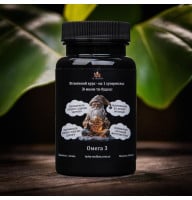
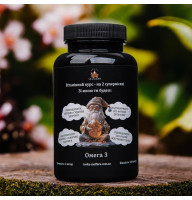
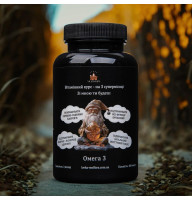
Omega-3 🐟
Huberman cites fatty acids—particularly EPA and DHA—as one of the key tools for supporting brain function, a positive mood, and cardiovascular health ❤️.
He recommends focusing primarily on the amount of EPA. For most people, this can range from 1 to 3 grams per day. It’s important that the supplement is high-quality and free of heavy metals 🧪.
For those who don't eat fish, there are plant-based sources—such as algae oil, which also contains DHA and EPA. It's best to take omega-3 supplements with a meal to improve absorption.
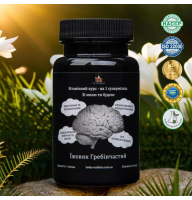
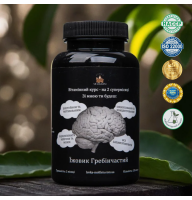
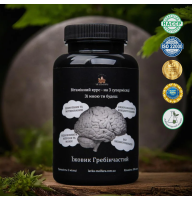
Comb-shaped hedgehog mushroom 🍄
Lion’s Mane is known for stimulating nerve fiber growth and supporting brain function. It is chosen for cognitive support, mental clarity, and focus. In the form of standardized extracts, it is typically taken in cycles. It’s worth monitoring its effects on attention and emotional tone. Huberman mentions it as a supportive tool for:
- improved concentration;
- reduction in anxiety levels;
- supporting cognitive health as we age.
The effects of black elderberry become apparent after several weeks of regular use ⏳.
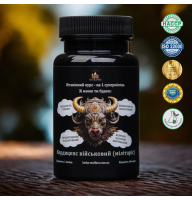
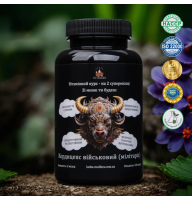
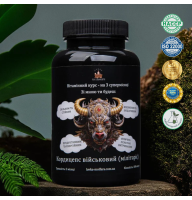
Cordyceps ⚡
Cordyceps is known as an adaptogen and energy tonic that helps with:
- reducing fatigue;
- lack of energy throughout the day;
- improving athletic performance;
- speeding up recovery after exercise.
Cordyceps is also notable for supporting the immune system and respiratory function, which is important for people with active lifestyles. It’s especially beneficial for those who play sports 🏋️♂️ or want to recover faster 🏃♂️.
Hubermann’s advice on supplements is a science-backed approach 📚. He considers vitamin D3 and omega-3s to be the foundation of health, while reishi mushroom and cordyceps can serve as additional tools to support brain function, energy, and immunity. The key is to listen to your body, get tested, and take a systematic approach.
21 august 2025 (15:15)
26 may (15:37)
0
580











Write a comment